Aging GA Fleet Faces Growing Aircraft Parts Challenge
A new survey reveals that 66% of maintenance professionals expect worsening parts availability for the 53-year-old average piston aircraft, with 72% dissatisfied with pricing and 59% with lead times.
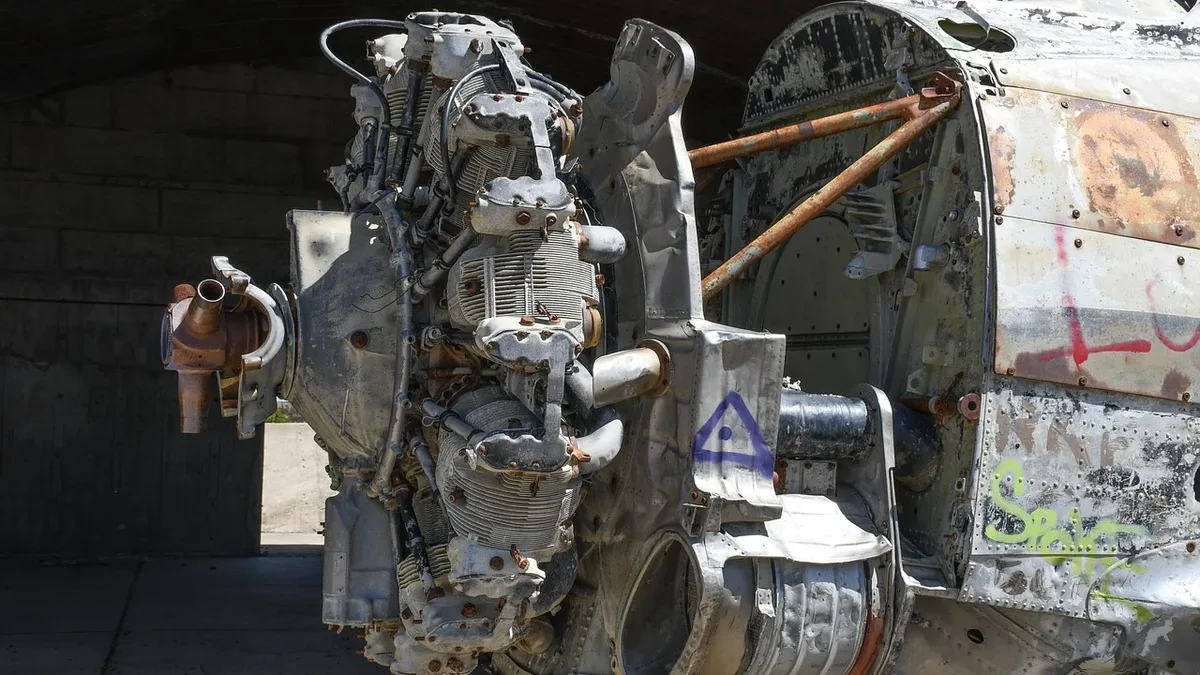
Keeping older general aviation aircraft flying is becoming an increasingly difficult and expensive job as many professionals expect aircraft parts availability to get worse.
A new survey from TBX found that 66% of maintenance professionals expect the general aviation parts supply situation to deteriorate in the near future. The 2026 General Aviation Parts Survey collected responses from mechanics, shop owners, directors of maintenance and other aviation maintenance professionals.
The challenge is closely tied to the age of the GA fleet. The average certified piston aircraft is now 53 years old, meaning many shops are maintaining airplanes designed decades before today’s parts and supply-chain systems existed. As manufacturers discontinue products and suppliers consolidate or leave the market, finding replacement aircraft parts and the documentation needed to install them can become increasingly difficult.
Cost and availability were among the biggest concerns identified in the survey. Seventy-two percent of respondents said they were dissatisfied with aircraft parts pricing, while 59% were dissatisfied with lead times.
The problem also extends beyond simply waiting for parts to arrive. Maintenance professionals said they spend significant time tracking down part numbers, searching inventories, identifying alternatives and working through those options with aircraft owners.
Better access to technical information could help reduce some of that workload. Respondents identified easier access to illustrated parts catalogs, part numbers and other technical data as the change most likely to improve maintenance operations.
The parts mix also varies depending on the type of maintenance operation. Smaller shops reported relying on a wider range of sources, including OEM, PMA, salvage and owner-produced aircraft parts. Larger and turbine-focused operations tend to rely more heavily on OEM parts.
“This isn’t a problem any one part of the industry can solve alone,” said Airworthy.com CEO John McLaughlin. “But the people maintaining these aircraft every day are telling us very clearly where the friction is. Our goal with this survey was to put data behind those experiences and give manufacturers, suppliers and the broader GA community something concrete to work from.”
The survey’s findings highlight a systemic issue affecting the entire general aviation ecosystem, from small fixed-base operators to larger turbine service centers.
Survey Insights
The 2026 General Aviation Parts Survey gathered input from a diverse group of maintenance professionals, including mechanics, shop owners, and directors of maintenance, providing a comprehensive view of the industry’s pain points.
Parts Sourcing Variability
Smaller shops reported relying on a wider range of sources, including OEM, PMA, salvage and owner-produced aircraft parts, while larger and turbine-focused operations tend to rely more heavily on OEM parts.
Technical Information Needs
Respondents identified easier access to illustrated parts catalogs, part numbers and other technical data as the change most likely to improve maintenance operations.
Industry Response
Airworthy.com CEO John McLaughlin emphasized that the survey’s purpose was to provide concrete data to help manufacturers, suppliers and the broader GA community address the growing challenges in parts availability and pricing.
The survey’s results underscore the urgent need for improved supply-chain resilience and better access to technical documentation to sustain the aging GA fleet.
Fixtures
Standings
Stats
Injuries
Source: AVweb