Southwest Airlines flight returns to Orlando
Southwest Airlines Flight 2821 made an emergency return to Orlando International Airport on September 29 after a bird strike shortly after departure.
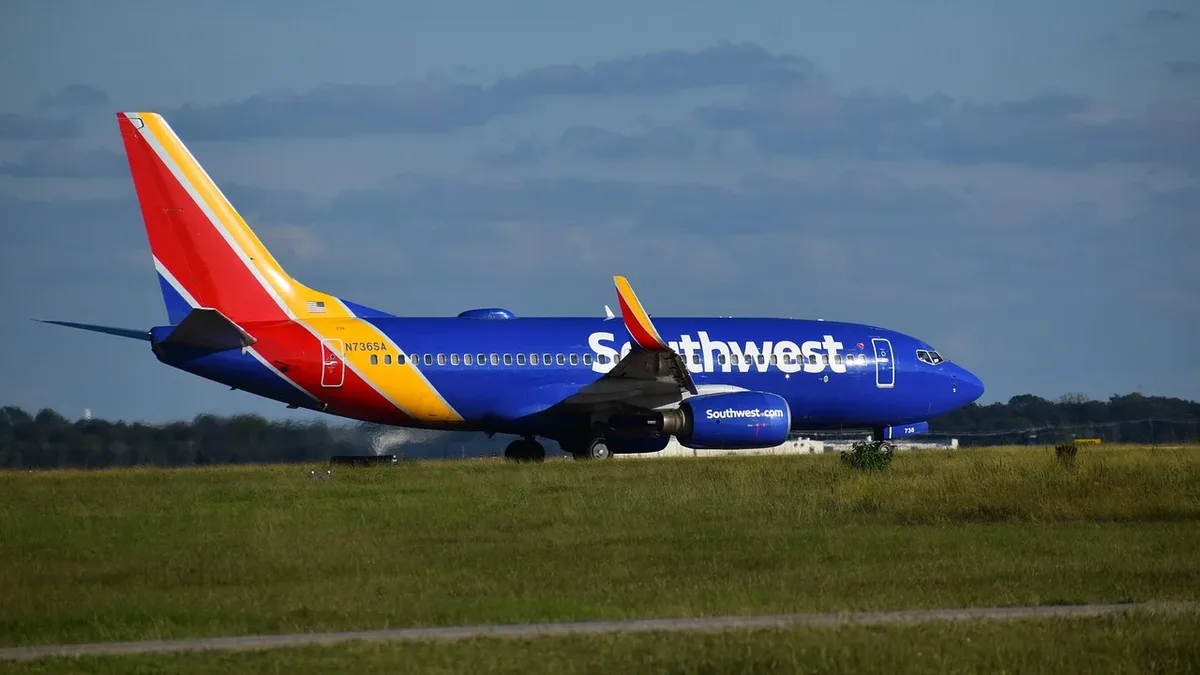
Southwest Airlines Flight 2821 made an emergency return to Orlando International Airport on Tuesday, September 29, after striking a bird during departure. The flight, bound for Rochester International Airport, landed safely at MCO with no injuries reported, and passengers were accommodated on another aircraft to continue their journey.
Airline and airport response
Southwest Airlines confirmed the crew followed procedure and landed the aircraft uneventfully. The airline commended the crew's professionalism and emphasized that customer and employee safety is its top priority. Southwest moved passengers to another aircraft to complete the trip to Rochester, New York. Neither the airline nor the airport disclosed whether the event is under investigation, and it remains unclear if the plane sustained any damage.
Wildlife strike context at Orlando International
Orlando International Airport operates in an area of low-lying ponds and wetlands. This environment is attractive to hazardous bird species like cattle egrets, which thrive in Central Florida's humid climate. A 2018 research report noted that most strikes at MCO involve birds nesting around airport land.
MCO maintains one of the few dedicated in-house wildlife teams among US airports. The team, led by wildlife biologist Johnny Metcalf, tracks and removes animals across 21 square miles of airport property. They use pyrotechnics and sound to push birds out of flight paths and relocate fish from nearby ponds to water farther from runways.
A local investigation found that over roughly 18 months, MCO reported 284 wildlife strikes. This was a higher volume than other major Florida airports during the same period.
| Airport | Reported Wildlife Strikes (approx. 18-month period) |
|---|---|
| Orlando (MCO) | 284 |
| Miami | 94 |
| Jacksonville | 101 |
Metcalf has argued that a high strike count can reflect a strong reporting program rather than an unusual bird problem. He stated that most strikes reported at Florida airports cause no damage.
Broader wildlife strike trends and reporting
National data shows wildlife strikes are a persistent and growing challenge. The FAA reported 24,447 wildlife strikes in 2025, a 9.3% increase over the 22,371 strikes logged the previous year. Roughly 97% of all wildlife strikes reported to the FAA involve birds.
Since 1990, wildlife strikes with civil and military aircraft in the United States have killed 89 people and destroyed 128 aircraft. The most famous incident, US Airways Flight 1549, ditched in the Hudson River in January 2009 after a bird strike.
The FAA reports that about 70% of strikes occur between ground level and 500 feet. This altitude range corresponds to when aircraft are low, relatively slow, and close to runways. A problem on climb-out means pilots are within minutes of a staffed airport, often with access to mechanics and emergency crews.
Events are documented through FAA Form 5200-7, which can be submitted by pilots, airport staff, maintenance personnel, air traffic controllers, and wildlife biologists. The resulting public database helps manufacturers evaluate aircraft components and helps airports identify hazardous species and nearby wildlife attractants. From 1990 to 2025, 54% of bird strikes occurred between July and October. In 2025, 870 US airports reported at least one wildlife strike.
Passengers from Flight 2821 were moved to another aircraft to complete their trip to Rochester, New York.