FAA grants first Gulf Coast BVLOS drone authorization
The FAA has issued its first authorization for a beyond-visual-line-of-sight drone flight from the U.S. coastline over the Gulf of Mexico to a Shell offshore platform, a milestone for long-range commercial drone operations.
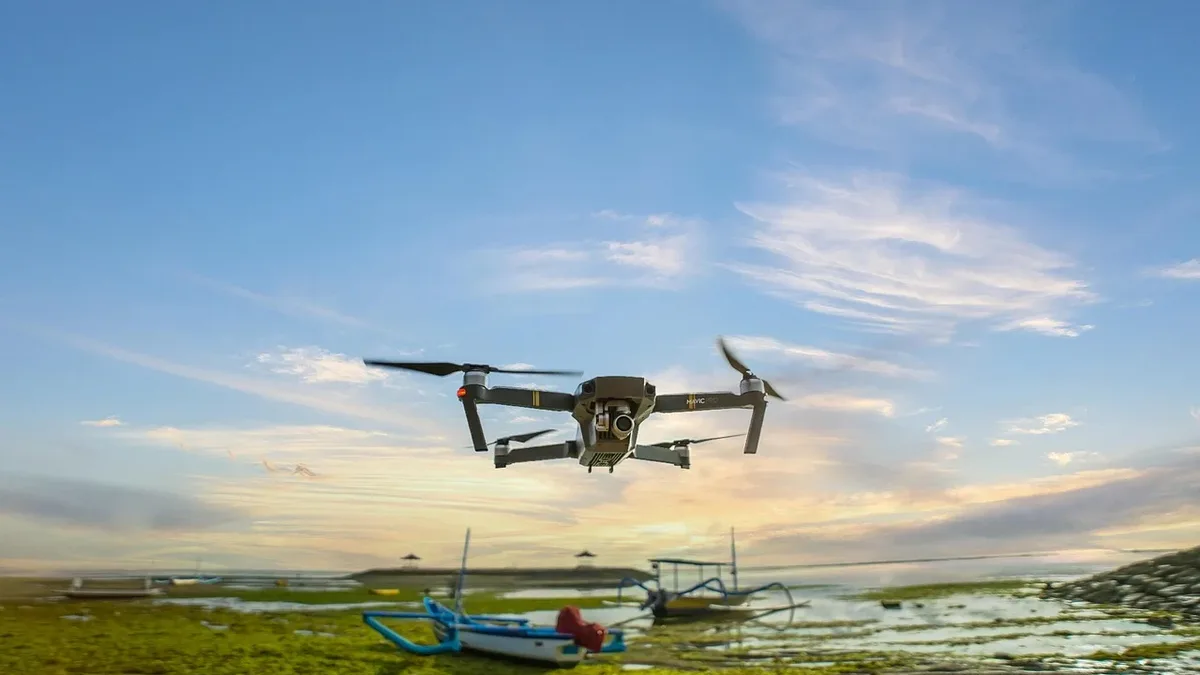
The Federal Aviation Administration has authorized the first beyond-visual-line-of-sight drone flight from the U.S. coastline over the Gulf of Mexico. Skyways, an Austin-based drone developer, received the authorization to operate its autonomous V2 aircraft from a Shell facility in Louisiana to an offshore platform for inspection and delivery.
This authorization was issued under Section 927 of the FAA Reauthorization Act of 2024. It marks a significant regulatory shift for the oil and gas industry along the Gulf Coast. The FAA described it as a milestone in advancing American drone dominance.
Skyways conducts long-range inspection mission
Skyways will use its hybrid vertical takeoff and landing V2 aircraft for the mission. The flight will originate from the Shell Pipeline Company LC facility in Gibson, Louisiana. Its destination is a Shell platform in the Gulf of Mexico.
The planned operation includes inspecting a pipeline right-of-way. It will also involve a simulated equipment delivery to the offshore platform. The FAA did not specify a flight date or the exact distance for this Gulf operation.
Skyways has prior experience with over-water flights. The company previously used the V2 aircraft for offshore deliveries to a wind farm in Germany's Baltic Sea. During a 2025 demonstration, it completed approximately 50-mile round trips.
Industry context and safety requirements
The authorization follows strict FAA safety standards. Operators must demonstrate their proposed flights will not adversely affect safety. Alternatively, they must prove they provide an equivalent level of safety.
This specific authorization precedes broader rulemaking. The FAA continues to develop its proposed Part 108 framework for routine BVLOS operations. That forthcoming proposal is already raising questions about right-of-way rules and electronic detection of crewed aircraft.
Shell has been active in offshore drone testing. The company completed 44 flights from its Mars floating production platform in April. According to a September industry report, Shell also secured a separate FAA waiver for offshore BVLOS operations. Those previous operations, however, involved drones launched from offshore facilities rather than long-range flights originating onshore.
Expert perspectives on operational challenges
FAA officials emphasized the safety-first approach to this new frontier. Liam McKenna, the Acting FAA Deputy Administrator, stated the authorization demonstrates working with industry to move beyond traditional operating limitations. "The FAA is focused on safely unlocking the full potential of American drone technology and ensuring our regulatory framework keeps pace with innovation," McKenna said.
Industry engineers highlight unique environmental challenges. Ross Doak, a senior robotics engineer at Shell, explained that operations over water differ significantly from over land. The sun reflects far more off water, causing substantial glare issues for vision-based systems used by drones.
Michael Kratsios, assistant to the president for science and technology, described the authorization as a step toward routine advanced drone operations. The FAA will monitor safety outcomes from this first Gulf Coast BVLOS authorization closely. This data will directly inform the ongoing development of the Part 108 regulatory framework.