NASA's X-59 Quiet Supersonic Aircraft Heads to MAX POWER Airshow
NASA's experimental X-59 aircraft, designed to turn sonic booms into quiet thumps, is en route to Kennedy Space Center for the MAX POWER aerospace expo after a cross-country journey from California.
NASA's X-59 quiet supersonic demonstrator is making its way to Kennedy Space Center for a public debut at the MAX POWER airshow. The experimental aircraft departed California on October 28, 2026, exactly one year after its first flight, and has completed stops in El Paso and Fort Worth, Texas, on its journey to Florida.
Videos emerged showing the distinctive, elongated aircraft arriving at Naval Air Station Joint Reserve Base Fort Worth, accompanied by a NASA F-15 safety chase plane. NASA Administrator Jared Isaacman confirmed the aircraft's destination in a social media reply, stating the X-59 is "making her way" to Kennedy Space Center. The aircraft subsequently departed Fort Worth for Birmingham, with its flight plan publicly tracked and well-documented by aviation enthusiasts.
X-59's Quiet Supersonic Technology
The core mission of the X-59 is to transform disruptive sonic booms into far quieter sonic "thumps." NASA expects the aircraft, when flying at its intended test conditions of Mach 1.4 and 55,000 feet, to produce a sound comparable to a car door closing from about 20 feet away. This technology demonstration is part of the Quiet SuperSonic Technology (Quesst) project.
Data gathered will be shared with aviation regulators, including the Federal Aviation Administration. The goal is to inform the establishment of new noise standards that could one day permit commercial supersonic flight over populated land areas. The aircraft is a research vehicle, not a prototype for a passenger jet, but its findings could pave the way for future commercial operations.
Flight Test Milestones
The relocation follows an extensive flight-test campaign. The X-59, developed by Lockheed Martin's Skunk Works division, has completed more than 40 flights since its maiden voyage on October 28, 2025. That first flight, piloted by NASA test pilot Nils Larson, lasted 67 minutes and reached 12,000 feet at a speed of 230 mph.
Subsequent testing has pushed the aircraft's performance envelope significantly. It broke the sound barrier for the first time on June 5, 2026, reaching Mach 1.1. A week later, it achieved its target operating condition of Mach 1.4 at 55,000 feet. To date, the aircraft has reached altitudes exceeding 56,000 feet and achieved a top speed of Mach 1.53, approximately 1,010 mph. NASA test pilot Mike Lippert completed his first flight in the aircraft just days before the cross-country trip began.
MAX POWER Airshow Display
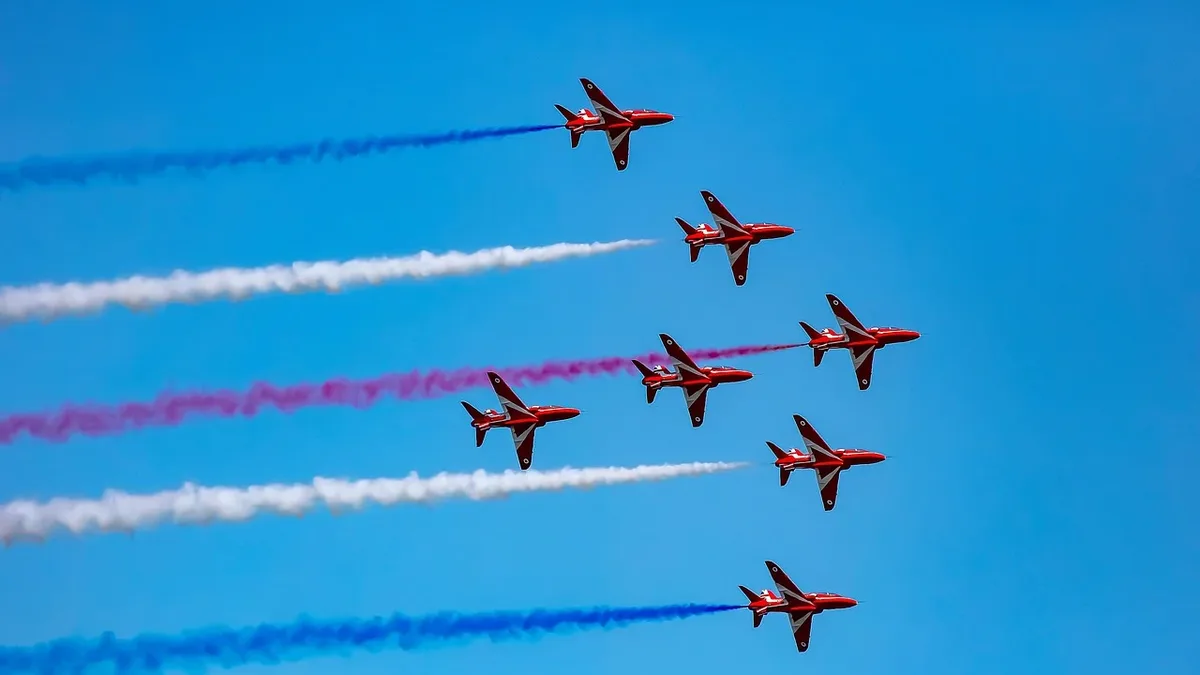
The X-59 will be a centerpiece of NASA's MAX POWER aerospace expo and airshow, scheduled for November 7-8 at Kennedy Space Center. The event is designed to show advances in aviation and space technologies. Alongside the quiet supersonic demonstrator, the airshow will feature displays from NASA's fleet, the U.S. Air Force Thunderbirds, and other military aviation units.
Visitors will also have the opportunity to see exhibits on new aerospace technologies, including autonomous aircraft, drones, and spacecraft. The static display of the X-59 marks a rare public viewing of the experimental aircraft as it transitions toward its next major phase: acoustic validation testing. In that phase, NASA will precisely measure the sound signature produced during supersonic flight.
The agency later plans to fly the X-59 over selected U.S. communities to survey residents about their noise perceptions. The X-59 will arrive at Kennedy Space Center for static display at the MAX POWER airshow.