NTSB Probes Learjet 60 In-Flight Breakup Evidence
Investigators found evidence of an in-flight breakup on a Learjet 60 charter that crashed in Florida, killing nine.

A Learjet 60 charter flight operated by Upper Jets crashed near West Palm Beach, Florida, killing all nine people aboard. The National Transportation Safety Board (NTSB) has found evidence the aircraft shed components before impact on November 1, 2026.
The flight departed Austin-Bergstrom International Airport at 09:37 local time bound for North Eleuthera Airport in the Bahamas. It was operated by Aurora Aviation, doing business as Upper Jets, under Part 135 rules. The two pilots and seven passengers, which included two children aged 2 and 4, died in the crash. The aircraft struck the ground at high speed in a nearly vertical descent near Cresthaven in Greenacres, approximately seven miles southwest of West Palm Beach, at about 12:51 local time.
Investigation Focus
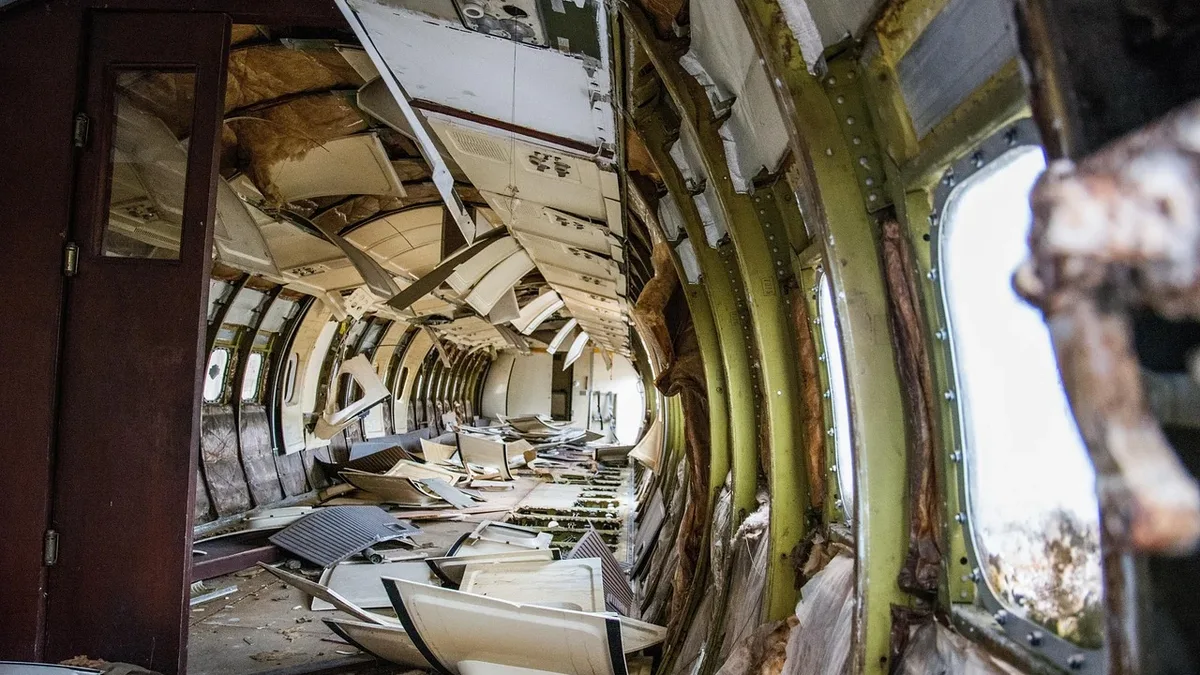
A team of about twenty NTSB investigators began arriving on site the night after the crash. They are examining the wreckage and reviewing weather data and air traffic control communications to determine the cause. Although the identified debris field is small, evidence of a possible in-flight breakup means the search area may expand. Debris was found beyond the main crash site, scattered across an area roughly 0.5 miles long and 0.4 miles wide.
Tom Chapman, an NTSB board member, stated the early findings. "We do have some evidence that there was some breakup of the aircraft before impact," Chapman said. The investigation will include a review of the aircraft's maintenance history and an analysis of whether similar accidents have involved other Learjet 60 models.
Pilot Reports and Conditions
The crew's final communications detail a rapidly deteriorating situation. Soon after departure, they reported encountering precipitation and requested a climb to 37,000 feet, which air traffic control approved. At approximately 12:47 local time, a female pilot reported light clear ice that was manageable, along with moderate turbulence at their cruising altitude of 35,000 feet. The outside air temperature was -47 degrees Celsius.
The situation escalated in less than thirty seconds. The same pilot reported the aircraft was descending, followed immediately by a mayday call. Data indicates descent rates reached 20,000 feet per minute. The crew had also reported altitude deviations of about 700 feet and an overspeed condition prior to the emergency.
Recovery and Aftermath
Recovery efforts are complex. Water filling the impact crater is hampering access to the wreckage. The aircraft was listed as carrying a cockpit voice recorder, which investigators had not yet recovered. One man in a vehicle on the ground suffered a leg injury from the crash. Officials are working to restore access for about 600 nearby residents displaced by the investigation and wreckage.
Senior NTSB investigator Timothy Monville emphasized the ongoing work to understand the sequence of events. When asked about specific causal factors, Monville said, "We’re still seeking to determine that." The NTSB has not confirmed whether the Learjet flew through an active thunderstorm, though a flood watch was in effect for southern Florida at the time. Investigators have also not determined whether the female pilot, identified as 20-year-old co-pilot Nathalia Gadelha Filgueiras, or the other pilot, Jeff Gregory, was flying the aircraft when the emergency began.