Part 108 Bvlos
| Subject | Rulemaking Part 108 Bvlos |
|---|---|
| Original use | Establish regulatory framework for beyond visual line of sight drone operations. |
| First created | 2020s |
| Proposing agency | Federal Aviation Administration |
| Jurisdiction | United States |
| Primary goal | Enable scalable commercial drone operations while maintaining safety. |
| Key regulatory concept | Performance-based standards for airspace integration. |
| Status | Ongoing rulemaking process. |
Origin and history
Part 108 Bvlos originates from the regulatory framework of the United States, specifically under the Federal Aviation Administration (FAA). The rulemaking activity for Part 108, which pertains to Beyond Visual Line of Sight (BVLOS) operations for unmanned aircraft systems (UAS), began its formal public rulemaking process in the early 2020s. This initiative was a direct response to the growing demand from commercial industries to integrate drones into the national airspace for complex operations. The history of this rule is rooted in earlier FAA efforts, such as Part 107 for small UAS, which established the foundational rules for visual line of sight operations. The development of Part 108 represents a significant regulatory evolution aimed at enabling more advanced and economically scalable drone applications. Its creation was driven by technological advancements in detect-and-avoid systems, command and control links, and operational safety cases that made BVLOS feasible from a risk management perspective.
What it is for
Part 108 Bvlos is a proposed set of regulations designed to establish the operational requirements for conducting drone flights Beyond Visual Line of Sight in the U.S. national airspace. Its primary purpose is to enable scalable commercial drone operations, such as long-range infrastructure inspection, linear surveying for pipelines or power lines, and automated package delivery networks. The rule is intended to provide a performance-based regulatory pathway that moves away from case-by-case waivers, which have historically limited the growth of the UAS industry. It focuses on defining the necessary equipment, procedures, and operator qualifications to ensure these flights do not compromise the safety of other airspace users or people on the ground. A core function of the rulemaking is to integrate UAS BVLOS operations into the existing air traffic management system, requiring compatibility with Air Traffic Control (ATC) procedures and communication protocols. Ultimately, Part 108 aims to create a standardized, predictable regulatory environment that supports innovation while maintaining the FAA's mandate for safety oversight.
Pros and cons
A primary advantage of a finalized Part 108 is the potential for significant economic efficiency, enabling industries like agriculture, logistics, and energy to conduct automated, long-endurance missions that reduce costs and human risk. It provides a clear, uniform regulatory framework that allows companies to invest in BVLOS technology and business models with greater certainty, moving beyond the cumbersome waiver process. However, a significant con is the complexity and potential cost of compliance, as the rule will likely mandate specific and expensive technological solutions for detect-and-avoid, command and control link reliability, and cybersecurity. Operators who underestimate the rigorous safety case requirements and the depth of operational risk assessment often regret early investments, finding their equipment or procedures non-compliant with the final rule. A common mistake is focusing solely on the drone's performance while neglecting the extensive requirements for airspace integration, contingency planning for lost link scenarios, and detailed data collection to prove equivalent levels of safety. The rule may also create a barrier to entry for smaller operators due to the anticipated need for sophisticated, certified systems, potentially consolidating the market around larger, well-capitalized entities.
Who it suits
Part 108 Bvlos primarily suits large-scale commercial operators and service providers who have the resources to develop and deploy compliant, technologically advanced UAS fleets. This includes major logistics corporations aiming for automated middle-mile and last-mile delivery networks, as well as large infrastructure firms managing thousands of miles of linear assets like railways, highways, and transmission lines. It is also suited to manufacturers of UAS and related subsystems who require a stable regulatory environment to justify research, development, and certification investments in detect-and-avoid systems and robust command-and-control links. The rule suits entities with strong safety management systems and the capability to conduct thorough operational risk assessments and continuous performance monitoring. It is less suited to individual hobbyist pilots, small photography businesses, or any operation whose needs are fully met within visual line of sight under existing Part 107 rules. Furthermore, it suits air navigation service providers and Air Traffic Control organizations that require clear, standardized procedures for interacting with and deconflicting airspace from these automated BVLOS operations.
Latest Part 108 Bvlos news
Latest reporting
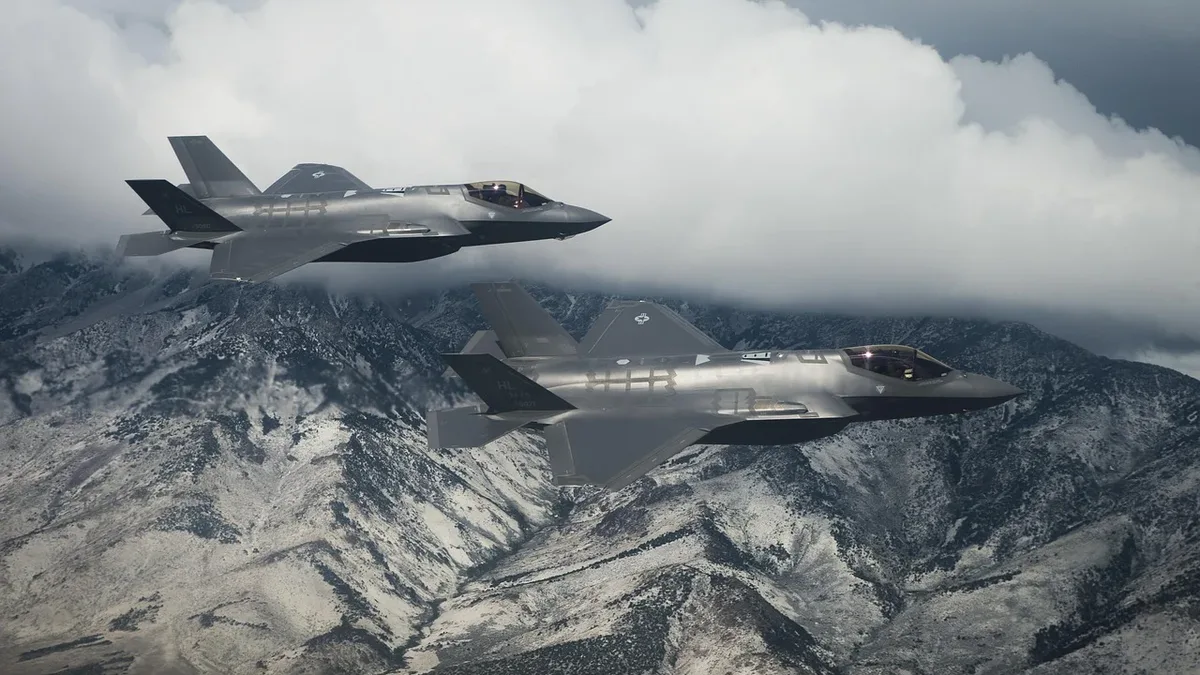
Danish F-35s Conduct First Greenland Landing in NATO Drill
Two Danish F-35A fighters landed in Greenland for the first time on September 16, 2026, as part of a major multinational NATO Arctic training exercise
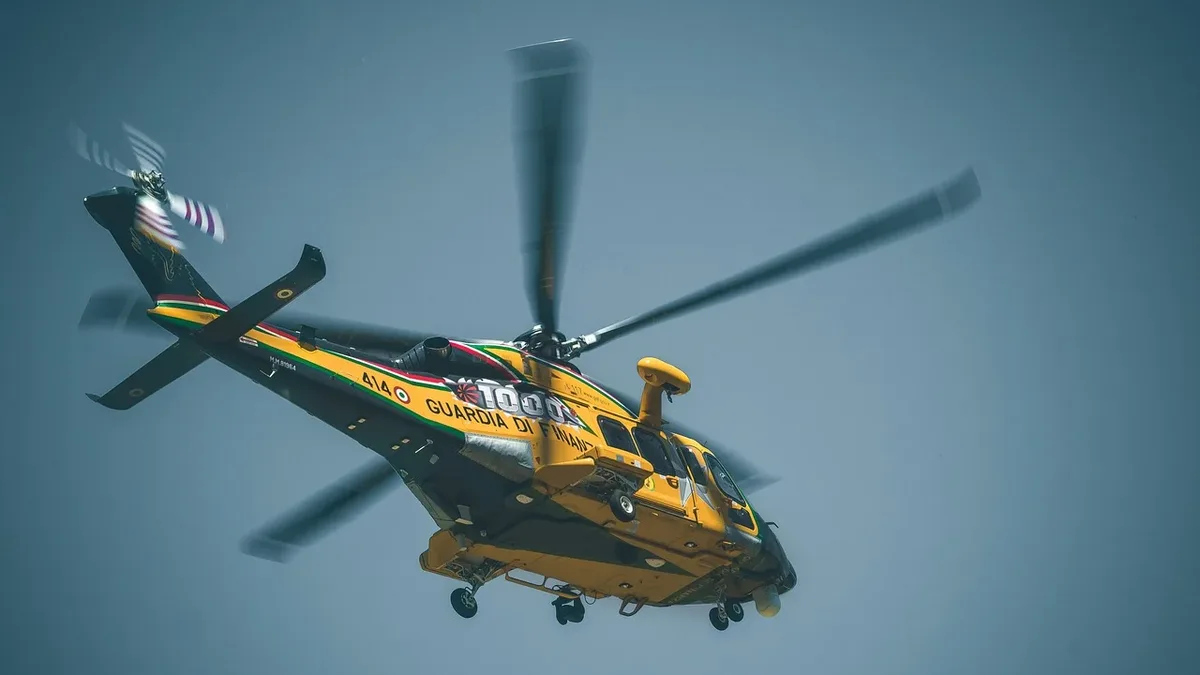
Iraq: US Approves $800M Bell Helicopter Sale
The US State Department has approved a possible $800 million sale of Bell 412EPX and 407M helicopters to Iraq, part of the country's effort to...
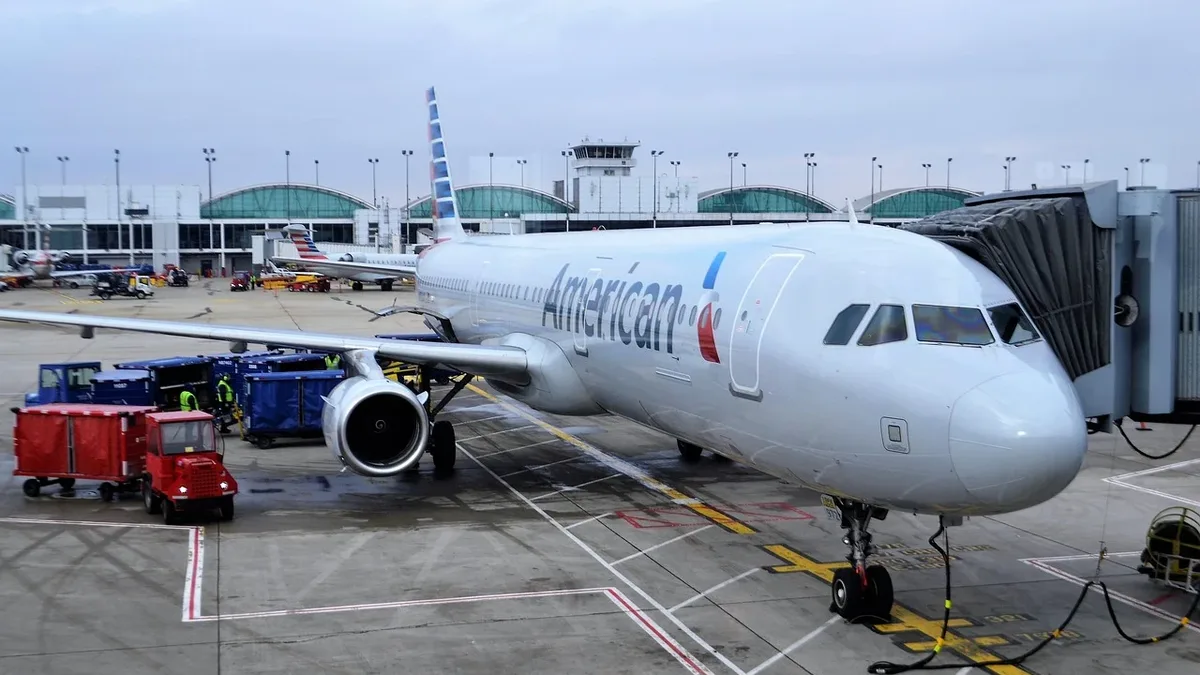
Manassas Airport Gains FAA Commercial
Washington Manassas Airport has received FAA Part 139 certification, enabling scheduled commercial passenger service to begin by late 2027.

US Air Force Selects GE-Kratos F143 as Secondary Engine for JASSM Missile Program
The US Air Force has awarded a contract to GE Aerospace and Kratos Defense for the development of the F143-ZZ-100 engine as a second-source...