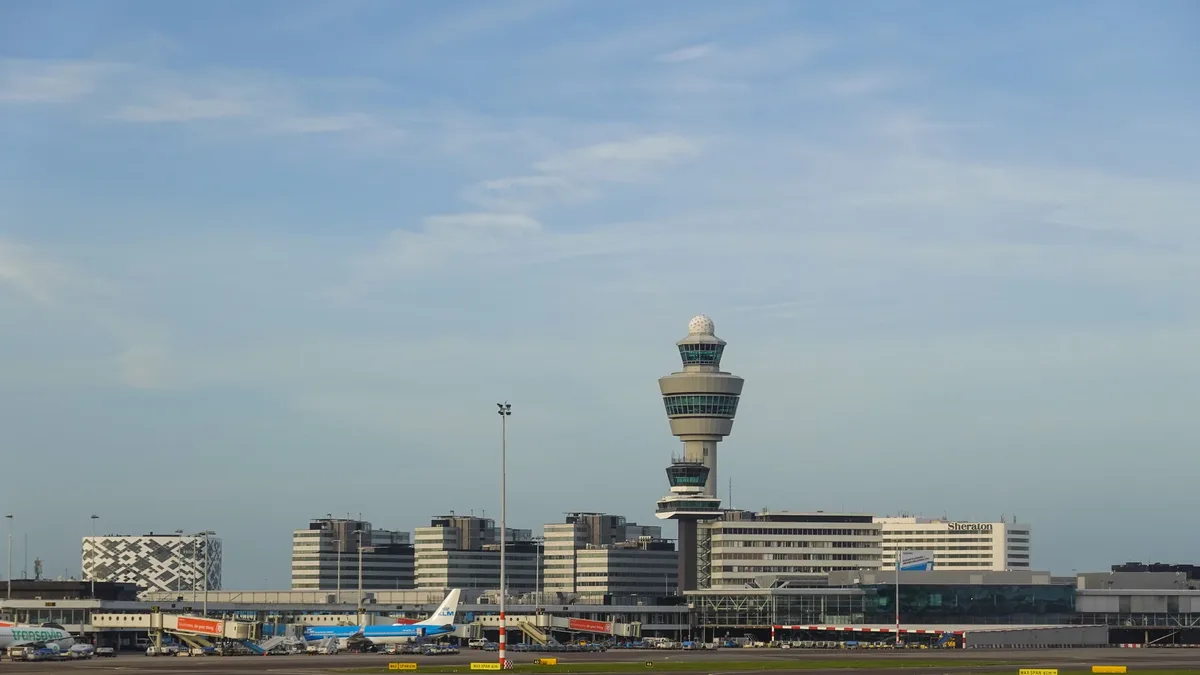
Danish F-35s Conduct First Greenland Landing in NATO Drill
Two Danish F-35A fighters landed in Greenland for the first time on September 16, 2026, as part of a major multinational NATO Arctic training exercise
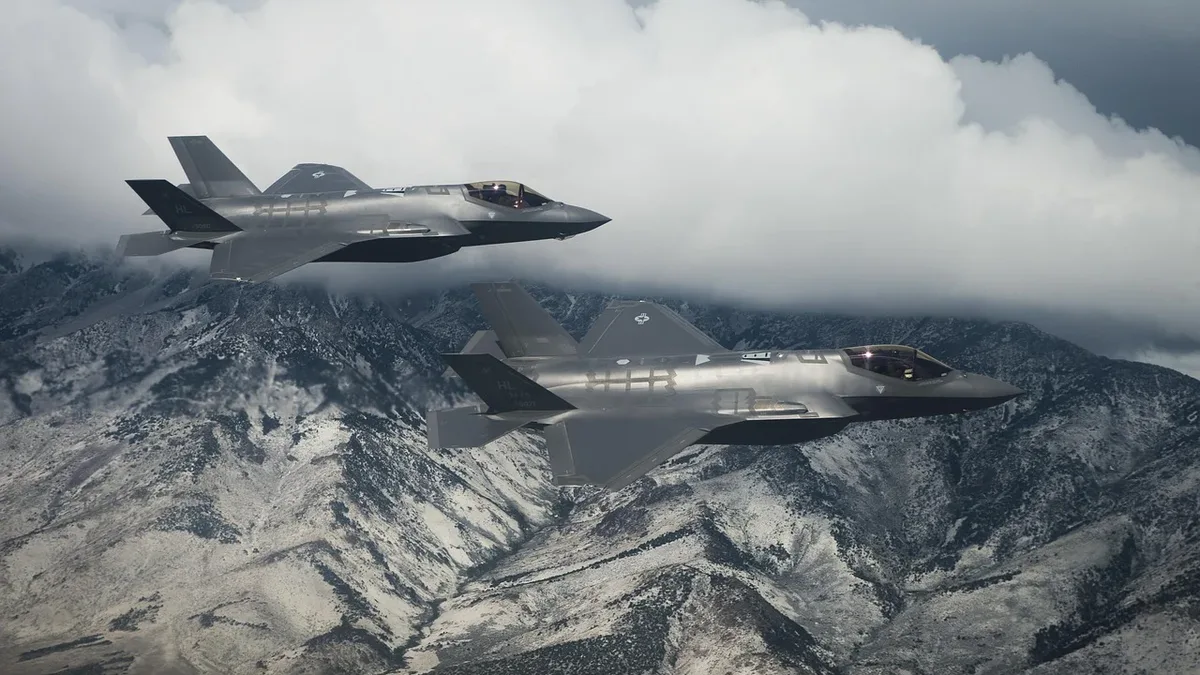
Two Royal Danish Air Force F-35A fighter jets landed at Kangerlussuaq Airport in western Greenland on September 16, 2026. This marked the first time Denmark's advanced F-35s have touched down on the island, according to a statement from the Danish Armed Forces.
The Danish fighters were joined at the Joint Arctic Command facility by four United States Air Force F-16s and two Royal Canadian Air Force F-18s. All aircraft had just completed a multinational training mission flown over Greenland. The Danish F-35s deployed from Keflavik Air Base in Iceland, while the US and Canadian jets flew from Goose Bay in Canada.
A French Air Force Airbus A330 MRTT tanker aircraft provided aerial refueling for the Danish fighters during their leg from Iceland. A NATO airborne warning and control system (AWACS) aircraft handled airspace surveillance and coordination for the mission. A Danish Challenger jet was on standby to provide search and rescue cover.
Mission Demonstrates Allied Coordination
A Danish F-35 pilot, identified by the callsign PLA, explained the exercise's purpose. “We are fundamentally training the ability to synchronize the effort of many aircraft from different nations and bases spread over large distances,” the pilot said in the release. The pilot noted that many moving parts must align for such an operation to be carried out safely and as planned.
The training falls under NATO's Arctic Sentry activity. The alliance describes this as an enhanced vigilance effort intended to strengthen its posture in the Arctic and High North. Launched in February 2026 and led by Joint Force Command Norfolk, Arctic Sentry has framed allied activity across the region. This includes a trilateral operation on the Norwegian island of Jan Mayen that ran from late August to early September 2026.
Arctic Operations Present Unique Challenges
The Danish Armed Forces stated that Arctic operations place particular demands on crews and mission planners. Fast-changing weather, long transit distances, and very few suitable diversion airfields complicate flights. The military noted that much of the work for a mission of this kind is completed before the aircraft ever take off.
While Danish F-16s had been stationed at Kangerlussuaq for Arctic training in the past, the newer F-35s had not landed there until now. Denmark retired its F-16 fleet on January 18, 2026, leaving the F-35A as its sole fighter aircraft. Danish F-35s had previously flown patrols along Greenland's east coast from their base in Iceland.
Geopolitical Context and Danish Investment
The exercise occurs amid ongoing diplomatic tensions between Copenhagen and Washington concerning Greenland's sovereignty. On January 17, 2026, US President Donald Trump reportedly threatened tariffs on eight NATO allies over their opposition to his proposed acquisition of the island, withdrawing the threat four days later. He renewed calls for US control in July 2026 and later posted a map depicting Greenland under the American flag, which drew criticism from Denmark and a diplomatic protest from Iceland.
Denmark has since significantly expanded its Arctic military capabilities. The country committed more than 88 billion Danish kroner (approximately $13.7 billion) across two defense agreements signed in 2025. This funding is earmarked for new assets including maritime surveillance drones and two Boeing P-8A Poseidon maritime patrol aircraft.