FAA Ground Stop Exposes Aging ATC Infrastructure, Sparks $50 Billion Funding Push
A nationwide ground stop on November 13, 2026, halted most U.S. departures for over four hours due to overloaded aging routers, prompting Transportation Secretary Sean Duffy to request $50 billion from Congress for a comprehensive ATC system overhaul.
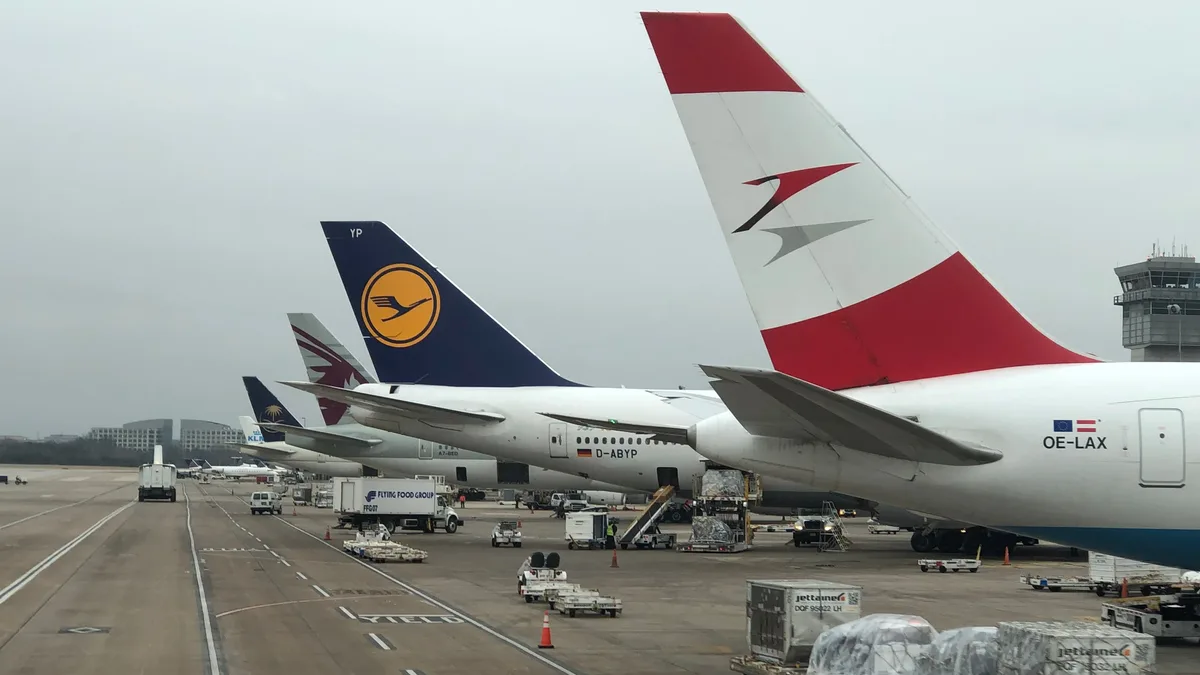
The Federal Aviation Administration imposed a nationwide ground stop at 3:36 p.m. Eastern time on November 13, 2026, after aging telecommunications infrastructure became overloaded. The outage, which caused inconsistent radar and communication data, halted most U.S. departures for more than four hours and marked the first such nationwide stoppage since January 2023.
Transportation Secretary Sean Duffy attributed the failure directly to insufficient congressional funding for modernization. The FAA had been requesting funds since April. On the morning of the outage, Duffy and White House budget director Russell Vought formally requested $30.1 billion from lawmakers for air traffic control and airport upgrades. Duffy later stated the agency ultimately needs $50 billion to overhaul the entire system.
Operational Impact
The ground stop grounded more than 3,500 aircraft that were airborne when it began. By the time Duffy briefed reporters, fewer than 400 remained in the airspace. Aircraft already airborne continued to land or divert.
Critical operations like medical evacuation flights and law enforcement movements were allowed to continue. The FAA handled inbound international flights individually. Some specific departures, including flights from San Francisco to Hawaii and Asia, received clearance during the stop.
The FAA reopened the national airspace at 8:15 p.m. Eastern time. By 9 p.m., flight tracking services recorded massive disruptions. Over 7,000 flights were delayed or cancelled for the day. Aviation analytics firm Cirium identified 827 diversions, with 670 aircraft returning to their departure airports and 157 landing elsewhere. JetBlue canceled its remaining Friday flights except for Europe-bound departures from New York JFK and Boston.
Funding Response
The immediate funding request was significantly larger than a previous proposal. The breakdown of the $30.1 billion request is as follows:
| Purpose | Amount Requested |
|---|---|
| ATC Modernization | $10.1 billion |
| Control Tower Upgrades | $2 billion |
| Airport Projects | $18 billion |
This represented an increase of $19.1 billion over a previous request submitted just the day before. Duffy cited bipartisan support for modernization from discussions in April. He noted that newer IP switches installed under the Trump administration continued functioning during the incident, while the older hardware experienced instability. Lawmakers had previously approved $12.5 billion in July 2025 for ATC upgrades and controller hiring, which included $1.9 billion specifically to replace outdated en route centers.
Political Context
Congressional reaction mixed calls for investigation with support for new funding. Sen. Jerry Moran of Kansas, the Republican chair of the Senate aviation subcommittee, supported additional ATC funding but demanded accountability for how the FAA allocated previously approved money. Sen. Maria Cantwell of Washington, the Senate Commerce Committee's ranking Democrat, said the panel was looking into the telecommunications problems that caused the outage.
Homeland Security Secretary Markwayne Mullin joined Duffy in leading the funding push. Mullin assured the public the outage was not linked to a national security threat or cyberattack, specifically denying any connection to a separate Microsoft outage the day before. He said new equipment and patches appeared to have overwhelmed parts of the older network. Investigators found no evidence of a cyberattack.
FAA officials had not publicly identified which specific update or piece of equipment first failed. The outage affected all 22 U.S. Air Route Traffic Control Centers, which guide aircraft using instrument flight plans. The last new air traffic control center was built during President Lyndon B. Johnson's administration. Duffy could give no guarantee the same failure would not happen again. At a briefing, he appealed directly to Congress, asking, "How many times does this have to happen before Congress gives the money to fix it?"
The Federal Emergency Management Agency activated its centers to assist passengers requiring essential medication or other support. Air India issued a travel advisory warning of possible disruptions to its U.S. flights. Duffy stated he expected flight operations to recover in time for the Thanksgiving travel rush.