RAAF F-35As join first FPDA land-based UAS deployment
RAAF F-35A fighters participated in the multinational Exercise Bersama Lima 2026 in Singapore, a milestone Five Power Defence Arrangements event featuring the first joint land-based unmanned systems deployment.
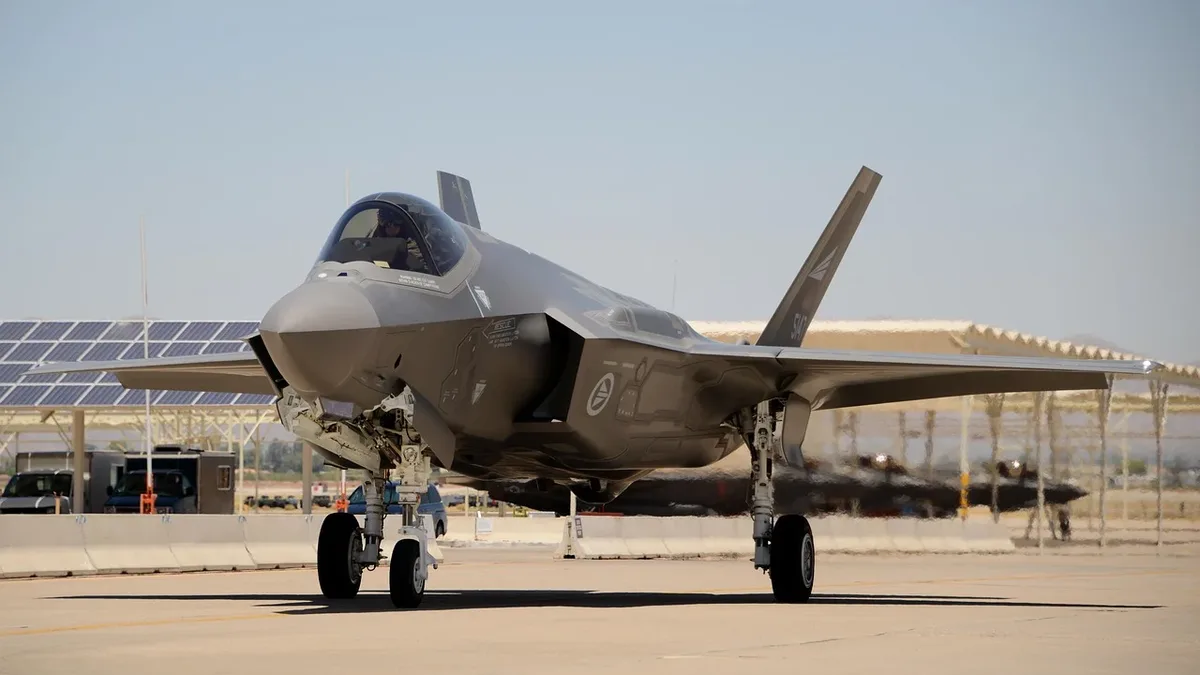
Royal Australian Air Force F-35A Lightning II fighters have taken part in a major multinational exercise in Singapore. Aircraft from No. 3 Squadron operated from Paya Lebar Air Base during Exercise Bersama Lima 2026, which ran from October 5 to 23.
This was a Five Power Defence Arrangements exercise. Assets and personnel from Australia, Malaysia, New Zealand, Singapore, and the United Kingdom were involved. The event marked the 55th anniversary of the FPDA, which was formed in 1971.
Operational Scope and Participation
The scale of the exercise was significant. It involved approximately 1,900 personnel from the five member nations.
A wide array of equipment was deployed. The forces assembled included 42 aircraft, seven ships, and one submarine.
A key milestone was achieved. The exercise featured the inaugural land-based Unmanned Aerial Systems deployment by all five FPDA nations. Singapore's Republic of Singapore Navy also deployed its Invincible-class submarine for the drills.
RAAF F-35A Operations and Integration
The Australian fifth-generation fighters were busy. RAAF F-35As conducted defensive and offensive counter-air missions during the exercise.
They also performed air-to-air refueling over water. This was supported by a Republic of Singapore Air Force A330 Multi-Role Tanker Transport.
Integration with regional allies was a focus. Australian pilots flew in mixed formations with RSAF F-15SG and F-16C/D fighters. Six F-35As and P-8A maritime patrol aircraft from Australia and New Zealand participated in the overall exercise.
Each mission followed a strict routine. Sorties began with planning and rehearsals the day prior. Ground crews prepared the jets before flight and conducted inspections afterwards.
Pilots passed observations to maintainers before holding debriefs. These sessions identified lessons for subsequent flights.
Multinational Collaboration and Training
Collaboration extended beyond the flight line. Crews from all nations attended joint multinational briefings. Subject Matter Expert Exchanges covered diving safety, Maritime Explosive Ordnance Disposal, and medical casualty care.
Training was diverse and intensive. Air forces conducted dissimilar air combat training and complex air defence scenarios. Maritime air surveillance and casualty evacuation drills were also performed.
Land forces were not left out. They engaged in integrated training that culminated in a field exercise. This took place in both jungle and urban environments.
Naval assets conducted their own serials. These included manoeuvring exercises, naval gun firing, and boarding operations.
Key Personnel and Statements
For many personnel, this was a formative experience. Leading Aircraftwoman Lillian Aboody Fischer, an aircraft technician with No. 3 Squadron, completed her first international deployment during the exercise.
She found value in the cooperation. "It’s really cool being able to work alongside the Republic of Singapore Air Force," Fischer said.
The multinational support structure provided key confidence. Flight Lieutenant Max, a pilot with the squadron, highlighted how this support behind each sortie gave pilots assurance in both their aircraft and their team.
Personnel adapted to challenging conditions. RAAF crews worked in Singapore's equatorial heat, using equipment brought from Australia.
The exercise was formally opened by senior officers. The ceremony was jointly officiated by Singapore's Chief of Defence Force, Vice Admiral Aaron Beng, and Malaysia's Joint Forces Commander, Lieutenant General Dato’ Sri Tengku Muhammad Fauzi bin Tengku Ibrahim.
At the closing ceremony, the Exercise Director emphasized the activity's importance. Republic of Singapore Navy Fleet Commander Colonel Bertram Ang noted the FPDA's evolution to adapt to the changing regional security landscape. This long-standing arrangement continues to promote cooperation and mutual understanding among its members.