PA-28 Cherokee landing gear fails after unreported hard landing
An air traffic controller's warning about an unreported hard landing on a PA-28 Cherokee went unheeded, leading to a landing gear separation days later.
A tower controller observed a PA-28 Cherokee suffer a damaging landing that the pilot did not report, prompting the controller to alert the FBO out of safety concern. The aircraft, with tail identifier Cherokee 11A, later experienced a landing gear separation during a subsequent flight. The controller was working the local control position during a sunny spring afternoon with moderate traffic, managing VFR pattern work around IFR arrivals.
The controller double-checked the runway and departure path as the aircraft approached for an expected touch-and-go or stop-and-go. Michael Ferguson said: "As the previous arrival clears the runway, I transmit, 'November 11 Alpha, cleared for the option' per his request." The first incident involved a stall and pancake landing at approximately 15 feet AGL, using no more than 200 feet of runway. The aircraft bounced 3-4 feet after initial impact, skidded off the runway, and stopped on an intersecting taxiway.
The aircraft is part of a rental and instruction fleet at the FBO. The controller contacted the FBO to inquire if the pilot reported the incident and suggested an inspection before further flight. FBO staff were unaware of the incident until informed by the controller. The controller expressed concern that the pilot did not report the first incident and that the FBO’s subsequent inspection was inadequate.
The inadequate inspection and second flight
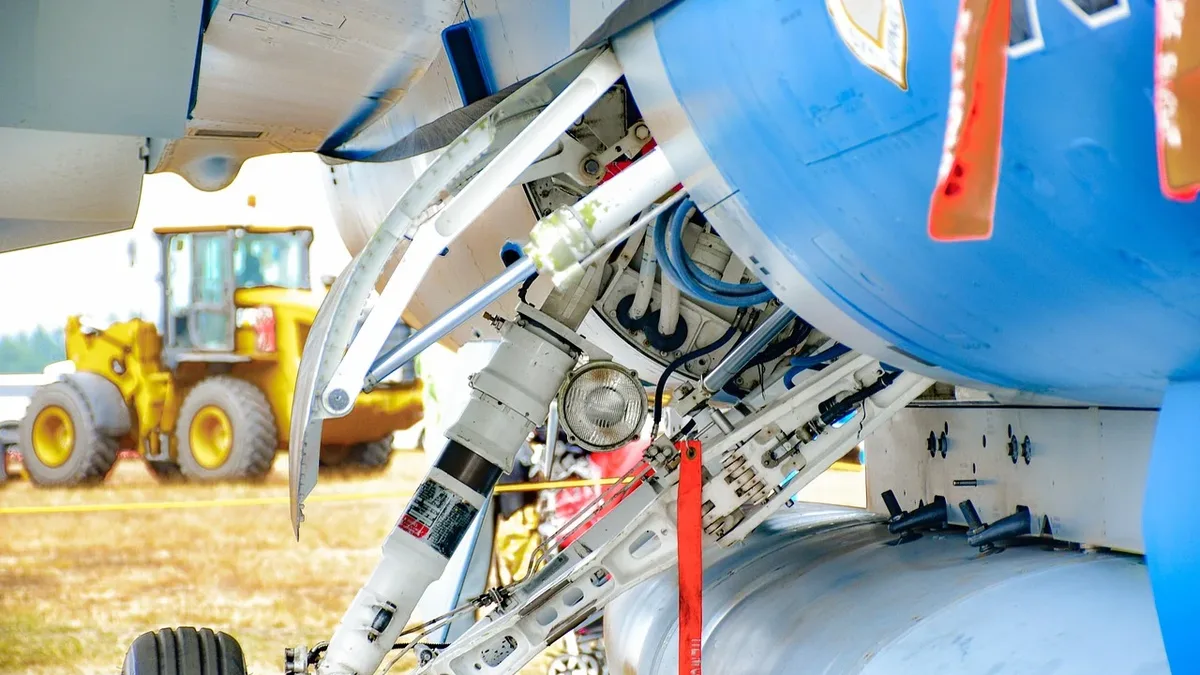
Despite the warning, the aircraft received only a cursory inspection and was returned to service. Days later, with a different pilot, Cherokee 11A experienced an in-flight emergency when its landing gear separated. The right landing gear separated, leaving the wheel, tire, and brake assembly dangling by a three-foot length of hydraulic brake cable.
The wheel assembly swung wildly, striking the wing and flap before the brake cable failed at 1,000 feet AGL. The falling wheel assembly struck the ground safely, avoiding structures or people. The pilot performed a 360-degree turn over a small field east of the airport before landing. The airplane landed using full opposite aileron and a slight turn toward the missing wing side, executing a successful emergency landing on the remaining gear and sliding approximately 200 feet before stopping on the runway. No fire, injuries, or fatalities occurred in either incident.
The controller's role and reflection
The controller expertly guided the second pilot through the successful two-wheeled emergency landing. Michael Ferguson is a commercial-, instrument- and multi-engine-rated pilot with experience working at FBOs and as a part-time ferry pilot. He spent six years as an ATC specialist in the Dallas-Fort Worth and Syracuse areas before moving into telecommunications.
After the second incident, the controller coordinated with ground control, supervisors, fire and rescue, and airport operations to manage the emergency. The controller is an FAA employee but acted in a personal capacity as a pilot and co-owner of an aircraft; his supervisors are non-pilots. He reflected on the importance of reporting and thorough safety checks, stating, "I did what I could, and the operator is now aware." He also considered whether he would want to be aware of such a condition if he were in the pilot's seat.
Context of the air traffic environment
The incident occurred during a busy spring afternoon with mixed VFR and IFR traffic. Several VFR aircraft were doing pattern work, interspersed with occasional itinerant arrivals and departures. The controller was integrating VFR traffic into the flow of IFR arrivals. The incident showed the vital importance of open communication, thorough inspections, and proactively raising safety concerns within the aviation system. The controller stated that the operator is now aware of the situation after the second incident.