Air Traffic Controller Retirement Age
Origin and history
The establishment of a mandatory retirement age for air traffic controllers is a regulatory response to historical concerns about cognitive performance and operational safety. It emerged from a period of increasing aviation complexity and growing awareness of human factors in high-stakes professions. This policy was developed alongside advancements in medical understanding of age-related changes in sensory acuity, information processing speed, and stress resilience. Its implementation followed analysis of incident data and recognition of the uniquely unforgiving nature of the air traffic control environment. The rule represents a compromise between institutional safety needs and the career longevity of individual controllers. Its history is intertwined with the professionalization of air traffic control and the codification of personnel standards within national and international aviation frameworks.
What it is for
The mandatory retirement age functions as a systemic risk mitigation tool within aviation safety oversight. Its primary purpose is to proactively manage the potential for age-related degradation in the specific cognitive and physical skills critical to air traffic control. These skills include the ability to maintain situational awareness across multiple dynamic data streams, make rapid and precise decisions under time pressure, and communicate clearly during high-workload scenarios. The policy aims to prevent scenarios where a controller's diminished capacity could compromise the separation of aircraft. It provides a clear, uniform, and predictable career timeline for workforce planning by regulators and service providers. By establishing a fixed exit point, it also serves to standardize pension and benefit structures across the controller workforce.
Pros and cons
A primary advantage is the establishment of a predictable, objective standard that simplifies workforce management and succession planning for aviation authorities. It provides controllers with a clear career timeline for financial and retirement planning. The policy is designed to preemptively eliminate the difficult and subjective process of individually assessing the competency of aging controllers, which could be fraught with legal challenges and bias. A significant con is that it can force the retirement of highly experienced controllers who remain fully capable, resulting in a loss of valuable institutional knowledge and mentorship potential. The rule is often criticized for being arbitrary, as it applies a blanket age cutoff without accounting for individual variations in health and cognitive fitness. Controllers who regret the policy are typically those in excellent health who feel compelled to leave a profession they love while still at peak performance, and a common mistake is for individuals to underestimate the personal and financial impact of a non-negotiable career endpoint.
Who it suits
This policy suits a safety regulatory model that prioritizes systemic, easily administrable rules over individualized assessment for critical personnel. It aligns with organizations that require long-term stability in workforce planning and benefit structures. The rule is suited to an operational environment where the consequences of even a single age-related performance lapse are considered unacceptably catastrophic. It serves the interests of the traveling public and the broader aviation system by aiming to provide a consistent margin of safety. The policy also suits, albeit involuntarily, controllers who prefer a definitive career endpoint and the certainty of a pension at a known age. It is less suited to systems with advanced, continuous individual health and performance monitoring capabilities that could provide a more nuanced alternative to a fixed age limit.
Latest Air Traffic Controller Retirement Age news
Latest reporting

FAA seeks equity stake in AI air traffic contractor
The FAA is negotiating to acquire an ownership warrant in Air Space Intelligence, the developer of the SMART AI air traffic platform, following a...

PA-28 Cherokee landing gear fails after unreported hard landing
An air traffic controller's warning about an unreported hard landing on a PA-28 Cherokee went unheeded, leading to a landing gear separation days...

Lawmakers Urge FAA to Pause AI Air Traffic Control System
Twenty-five Democratic lawmakers have called for a halt to the FAA's SMART AI system, citing safety and transparency concerns and demanding answers...
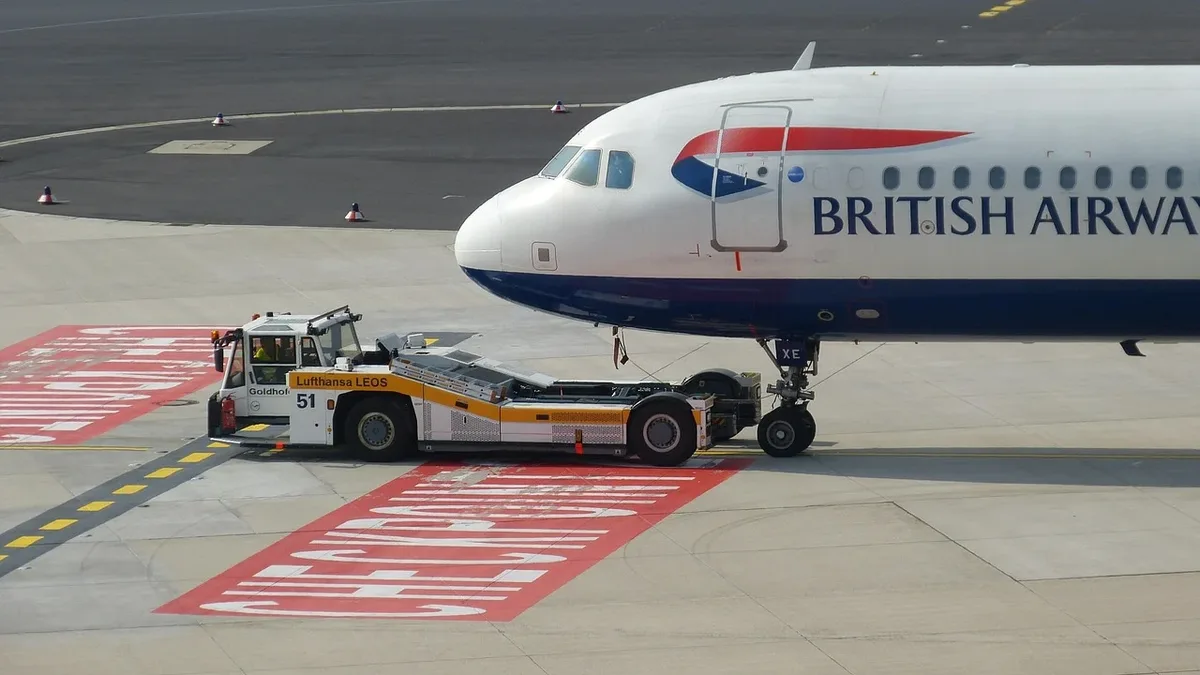
CAA Launches Independent Review of NATS Air Traffic Failure
The UK Civil Aviation Authority has initiated an independent review into NATS' September 8 system failure that disrupted over 2,000 flights.
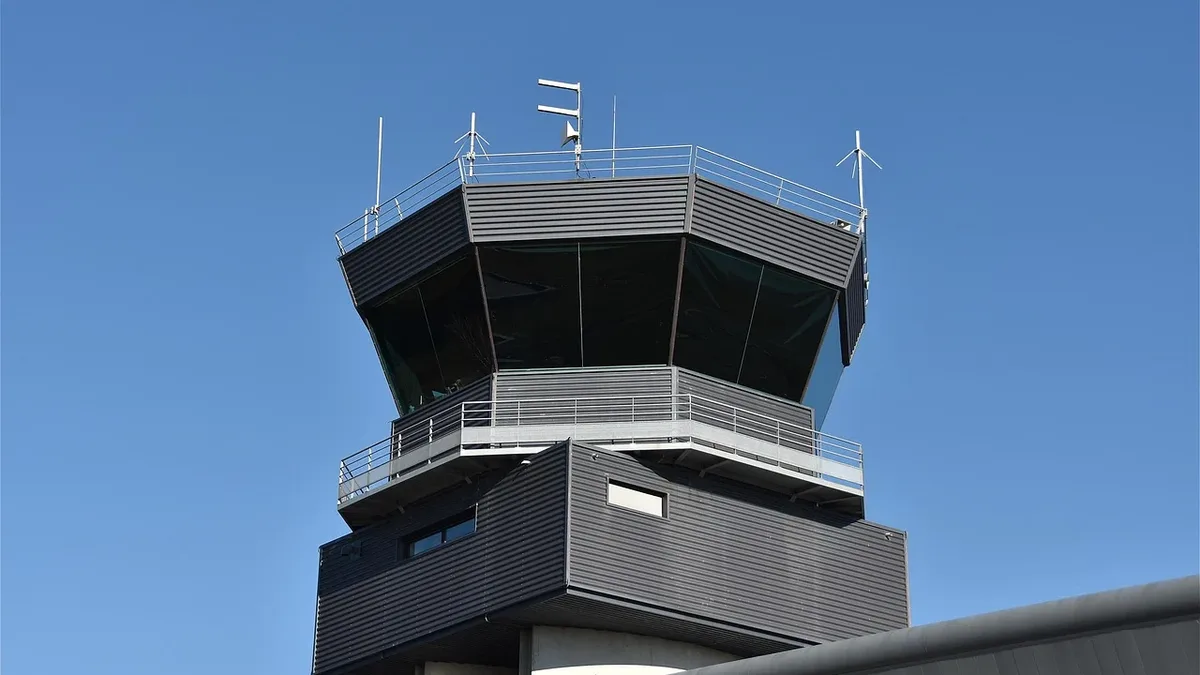
FAA Rolls Out SMART AI System Without ATC Union Input
The FAA and DOT have begun a limited rollout of the SMART AI system for air traffic management.

FAA To Deploy AI Air Traffic Tool SMART From Monday
The FAA will begin implementing its new AI-based SMART system as a decision-support tool for air traffic management starting Monday.