FAA Rolls Out SMART AI System Without ATC Union Input
The FAA and DOT have begun a limited rollout of the SMART AI system for air traffic management, but the controllers' union NATCA says it was excluded from
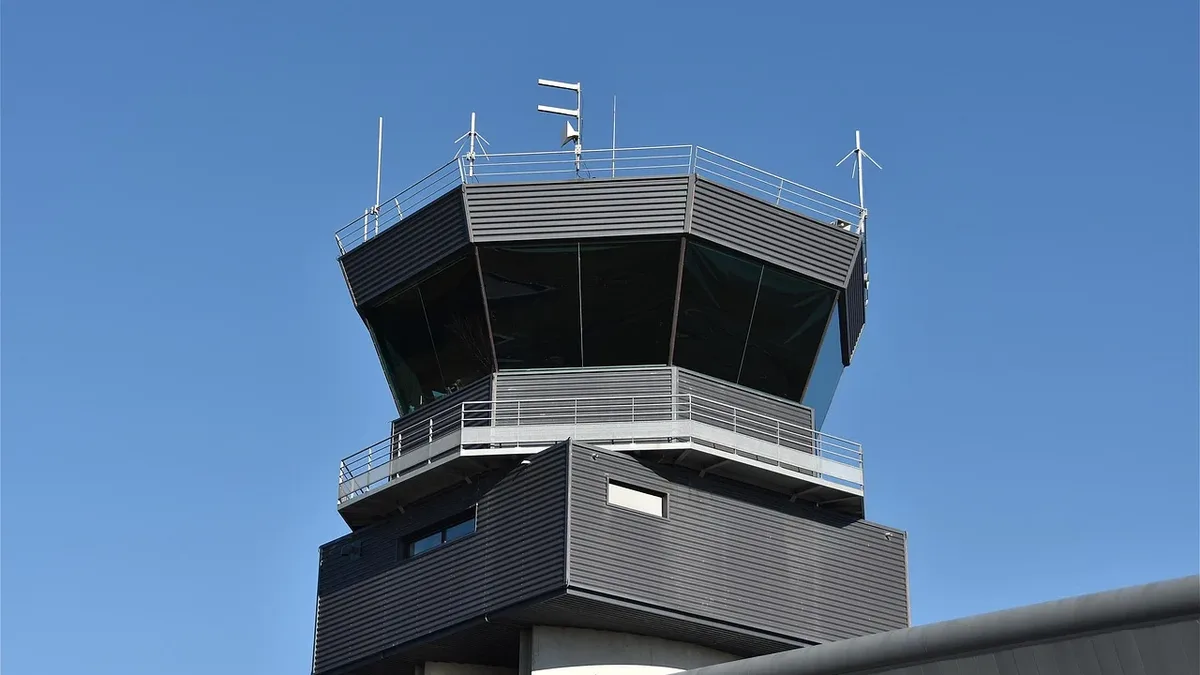
The U.S. Department of Transportation and the Federal Aviation Administration have started a limited rollout of an artificial intelligence system designed to manage air traffic. The program, called SMART, aims to proactively identify and mitigate conflicts, optimize flight routes, and reduce delays across the National Airspace System.
The National Air Traffic Controllers Association (NATCA), the union representing tens of thousands of controllers, told FLYING magazine it was not consulted. NATCA stated it "has not been involved in the design, testing, or implementation" of the new AI tool. This exclusion has raised concerns about the integration of human oversight with automated systems.
Union Expresses Operational Concerns
While airlines are reportedly engaged and supportive of the SMART initiative, the union emphasizes the critical role of human judgment in air traffic control. The concern centers on deploying a system intended to predict conflicts weeks in advance without direct input from the controllers who would ultimately use it. Their operational expertise is seen as vital for safe implementation.
NATCA's lack of involvement in the development phase could impact the system's practical utility and safety protocols. The union's position highlights a potential rift between technological advancement and frontline operator buy-in.
Limited Initial Deployment and Future Plans
The current deployment is a scaled-back version operating in the Washington, D.C. Area. Its initial focus is on managing same-day delays. The Transportation Department stated the system is intended to identify potential conflicts weeks before they occur.
Officials plan a gradual expansion of SMART's capabilities and geographic reach. The goal is to achieve full integration across the entire U.S. National Airspace System by the spring of 2027. This phased approach allows for testing and adjustments based on initial performance data.
System Aims and Industry Reception
SMART is an AI-based program built to enhance the efficiency and safety of the national airspace. Its core functions are proactive conflict identification, route optimization, and delay reduction. By analyzing vast datasets, it seeks to predict issues far earlier than current methods.
The aviation industry's reaction appears mixed. Airline operators are actively engaged with the rollout. Their support suggests a strong interest in the potential for increased efficiency and fewer disruptions. However, the controllers' union remains a notable skeptic, advocating for a collaborative development process.
The program's success may hinge on bridging this gap between technological developers and the professionals responsible for day-to-day air traffic management. The FAA now faces the task of integrating this advanced tool while addressing the operational concerns raised by its key workforce.