UK Royal Air Force forms first space effects
The UK has established No. III Space Effects Squadron, its first dedicated unit for offensive and defensive space operations, to disrupt and deny hostile
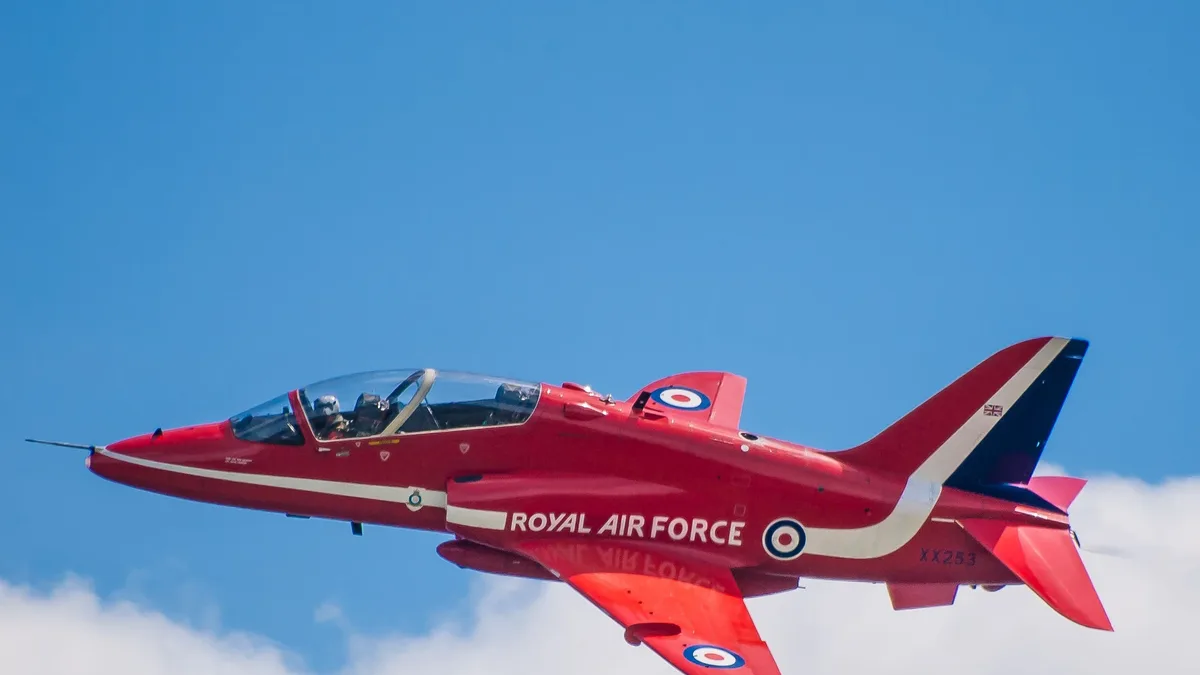
The UK Royal Air Force has formed its first dedicated unit for offensive and defensive space operations. No. III Space Effects Squadron was confirmed by the Ministry of Defence on September 23, 2026, with a mission to disrupt, degrade, and deny adversary activity against UK interests in space.
The new squadron will act against threats using advanced technology including electronic warfare. It is intended to support both offensive and defensive space operations. The unit will help protect space-based systems that people on Earth rely on every day, such as satellites providing missile warnings, communications, and navigation for ships. Its actions will strengthen the UK's ability to respond to threats in orbit, deter aggression, defend critical space infrastructure, and reduce adversaries' freedom to operate.
Role and capabilities
The squadron will use actions and effects such as electronic warfare and capabilities to counter anti-satellite weapons. Its mission includes defending satellites that provide essential services. The MoD said the squadron will help protect space-based systems that people on Earth rely on every day. Its capabilities are expected to expand as new technology enters service.
Strategic context
This formation aligns with the UK Space Strategy and the Strategic Defence Review. The UK Space Strategy's Control of Space Requirement sets out the need to maintain freedom to operate in space and deny adversaries the same freedom. The Strategic Defence Review stated that the ability to operate in, from and through space underpins the UK’s security, prosperity and daily way of life.
Air Chief Marshal Sir Harv Smith said space is a domain of direct competition where military advantage can be won or lost. He stated space is no longer a supporting function but a warfighting domain in its own right, with equal importance to air, land and sea. The new squadron is part of the RAF’s pivot from space domain awareness to space control.
Broader force structure
No. III Space Effects Squadron is one of six new space squadrons being formed under RAF Space Command. This plan was outlined in the Defense Investment Plan published in June. It builds upon two existing RAF units: No I Space Operations Squadron, which runs the UK’s National Space Operations Center, and No II Space Warning Squadron, which monitors and warns of threats in space.
Security concerns and international context
The unit responds to increased adversarial activity in orbit. The UK has been troubled by Russian activity in space in recent months. A constellation of five Russian military satellites moved within rapid reach of a pair of Finnish commercial satellites, raising serious questions about intent. Another Russian constellation caused disruption to GPS signals across Europe, Greenland, and Canada for 75 days between 2019 and 2026.
Air Chief Marshal Sir Harv Smith described irresponsible Russian actions as little different from flying an aircraft within 50 feet of another without coordination. He said there are more irresponsible and provocative actions from adversaries and a disregard for norms of responsible behavior by spacefaring nations. The creation of the unit comes a week after U.S. Air Force Secretary Troy Meink declared that the U.S. Had placed weapons in orbit.
Defence Secretary Wes Streeting stated that Britain must keep pace in the new space race. He drew a historical parallel, noting that control of the waves was essential for 19th-century deterrence, control of the skies defined the 20th century, and this century will depend on control of space. The UK government said it remains committed to the peaceful and sustainable use of space and has formally ruled out destructive anti-satellite missile testing. Britain continues to work through the UN Committee on the Peaceful Uses of Outer Space to promote norms, rules and principles of responsible space behaviors. The squadron is expected to expand as new technology enters service and will strengthen the UK's ability to respond to threats in orbit.