Duty Time Revision
| Agency | Federal Aviation Administration (FAA) |
|---|---|
| Rulemaking type | Notice of Proposed Rulemaking (NPRM) |
| Docket ID | FAA-2022-1652 |
| Primary subject | Flightcrew Member Duty Periods and Rest Requirements |
| Regulatory part affected | 14 CFR Part 117 |
| Status | Proposed rule (as of last known action) |
Origin and history
The regulatory concept of Duty Time Revision originates from the United States. Its development began in earnest in the late 2000s following a fatal commercial airline accident in 2009, which highlighted fatigue as a contributing factor. This event catalyzed a prolonged regulatory review process by the Federal Aviation Administration (FAA). The rulemaking process involved extensive scientific review of sleep and circadian rhythms, alongside economic impact analyses and public commentary from industry stakeholders. The final rule, known formally as the "Flightcrew Member Duty and Rest Requirements," was published in the 2010s, marking a significant overhaul of regulations that had been largely unchanged for decades. This revision established a more science-based framework for managing flight crew fatigue, influencing subsequent regulatory discussions in other aviation regions globally.
What it is for
Duty Time Revision is a regulatory framework designed to mitigate the risk of pilot fatigue, a critical threat to aviation safety. Its primary purpose is to set legal limits on the amount of time a flight crew member can be on duty and schedule opportunities for sufficient rest. The rules account for factors that scientifically impact fatigue, such as the start time of a duty period, the number of scheduled flight segments, and time zone crossings. It mandates a minimum uninterrupted rest period prior to reporting for duty, which must be spent in a suitable accommodation. The framework also requires airlines to establish and administer Fatigue Risk Management Systems (FRMS) to proactively identify and mitigate fatigue risks within their specific operations. Ultimately, it serves as a foundational component of the safety oversight system, aiming to ensure flight crews are fit for duty and able to perform at their highest level of alertness.
Pros and cons
A primary pro of Duty Time Revision is its grounding in modern sleep science, moving beyond simple hourly limits to address circadian disruptions and cumulative fatigue. It provides a more predictable and protected minimum rest period for crews, enhancing overall safety margins. For operators, the integrated Fatigue Risk Management System component allows for operational flexibility while maintaining safety accountability. A significant con is the increased operational complexity and scheduling constraints, which can reduce efficiency and raise operational costs for airlines, particularly regional carriers. Pilots sometimes regret the rules when rigid application leads to being stranded mid-sequence due to a duty time expiration, disrupting personal schedules without necessarily aligning with individual fatigue levels. A common mistake in implementation is treating the maximum limits as optimal scheduling targets, rather than using the science to schedule well within the permitted ranges, which can undermine the rule's intent.
Who it suits
This regulatory framework suits national aviation authorities and safety oversight bodies seeking a standardized, science-based defense against fatigue-related risk. It is particularly suited to large, complex airline operations with extensive route networks and the administrative capacity to manage sophisticated FRMS programs. The rules suit flight crew unions and associations advocating for systemic, enforceable protections against excessive duty hours. It is less suited to very small operators or on-demand cargo operations where highly irregular schedules can make strict time-of-day and cumulative limits disproportionately challenging to implement. The framework ultimately suits the entire aviation system's need for a transparent and legally enforceable baseline, upon which individual airlines and crews can build more robust safety cultures regarding fatigue management.
Latest Duty Time Revision news
Latest reporting
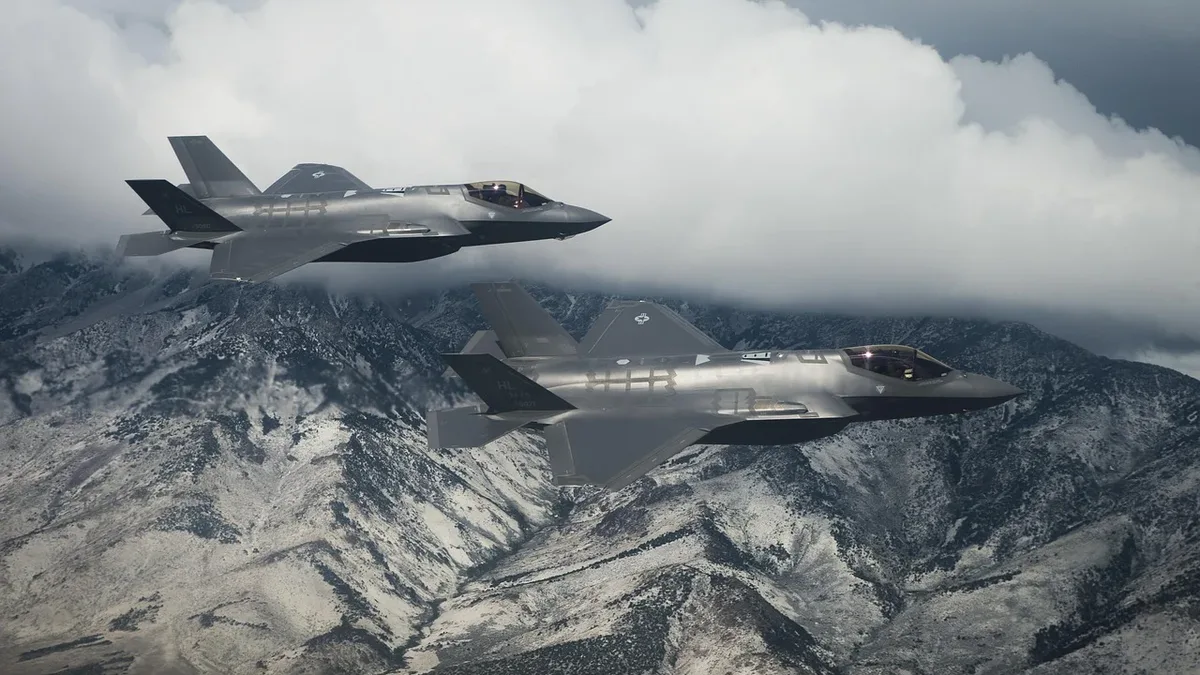
Danish F-35s Conduct First Greenland Landing in NATO Drill
Two Danish F-35A fighters landed in Greenland for the first time on September 16, 2026, as part of a major multinational NATO Arctic training exercise

Aviation Coalition Urges FAA to Preempt State Crew Rest
A coalition of major aviation groups is calling on the FAA to assert federal authority over pilot duty and rest rules, arguing a national standard is