US Air Force to exceed pilot graduation target in 2026
The US Air Force is set to graduate 1,555 pilots in 2026, surpassing its annual target of 1,500 for the first time since 1991. Leadership warns the underlying pilot shortage will take 15 to 20 years to resolve due to systemic training and retention challenges.
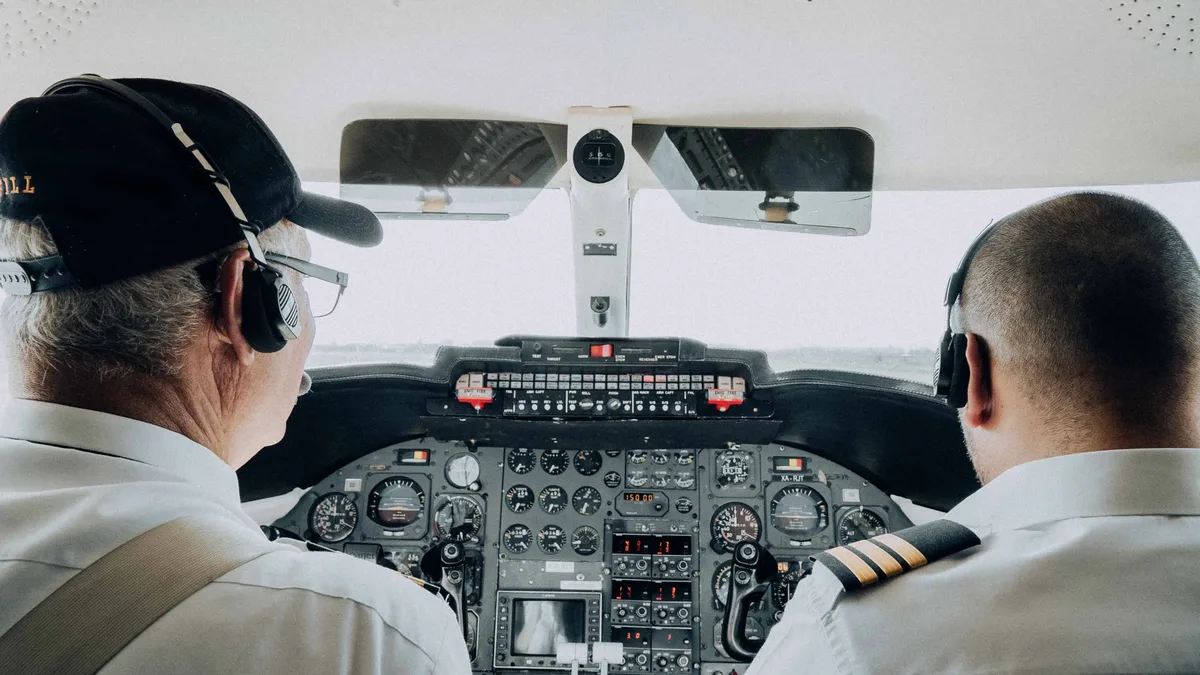
The US Air Force will graduate about 1,555 new pilots in 2026, finally clearing an annual target of 1,500 that had eluded the service for 35 years. By mid-September, 1,408 student aviators had earned their wings, with another 147 slated to graduate before the fiscal year ends, barring last-minute cancellations. This marks the first time the Air Force will train at least 1,500 pilots in a fiscal year since 1991.
Structural challenges persist in pilot production and absorption
Despite the production surge, the pilot shortage remains severe. The service is currently short about 2,400 pilots, a figure confirmed last year at 2,470. The persistent deficit is driven by three core problems: pipeline production, mid-career retention, and absorption. Absorption determines how many freshly qualified pilots an active-duty squadron can integrate into full combat operations. Over-absorption occurs when operational squadrons lack enough seasoned flight leads and instructor pilots to train influxes of rookies.
Formal Training Units for fighter squadrons were producing only 294 pilots annually. A 'push-pull' exists between frontline squadrons and support commands over trainer aircraft allocation. Large funding infusions, additional training aircraft, and more experienced instructors are needed to scale up absorption. An independent study illustrates a catch-22: cultivating future experienced aviators requires drawing from a pool that does not exist today.
Leadership emphasizes long-term timeline for recovery
Air Education and Training Command leadership stresses that overcoming the pilot deficit will require 15 to 20 years of sustained effort. Lieutenant General Clark Quinn, commander of AETC, confirmed a true recovery is that far off. He noted it will take continuous seasoning to cultivate the desired level of leadership, as today’s graduates won’t fill senior roles for decades.
Quinn stated, "I do know that if we don’t make 1,500, we’re never going to get that number down." Defense observers suggest a solid decade of hitting the 1,500-pilot milestone would be the minimum to stabilize force levels. Air Force Chief of Staff General Kenneth Wilsbach has also addressed the absorption hurdle in congressional testimony.
Modernization efforts underway with FUPT and T-7A Red Hawk
The driving force behind the increased production is the Future of Undergraduate Pilot Training hybrid model, launched in spring 2025. This program, also called the Initial Pilot Training model, moves initial instruction to civilian schools. Students now log 120 flying hours over 139 days at one of four civilian flying universities, earning an FAA private pilot license with instrument and multi-engine ratings before transitioning to an Air Force base.
This outsourcing model has sped up progress. Prospective pilots now arrive at AETC bases with advanced ratings, where military instructor pilots train them on military-specific skills using the T-6 Texan II and the aging T-38 Talon. Meanwhile, the new Boeing-Saab T-7A Red Hawk trainer is progressing slowly. The training squadron has only received its third jet to date. The T-7A is not scheduled to achieve initial operational capability until August 2027, which requires delivering 14 aircraft to Randolph Air Force Base. Air Force leadership has not yet committed to a single-aircraft training pipeline built entirely around the Red Hawk.
Parallel reforms have shifted advanced training to combat units. The Air Force reassigned combat formal training units to Air Combat Command. Pilots now go to operational bases for mission-specific training. On September 24, ACC released a solicitation for its new Combat Air Forces Continuum Flight Training Support plan. The Air Force will continue to rely on the FUPT model and ongoing T-7A Red Hawk fielding to sustain increased pilot production.