Airlines Face $11 Billion Cost From Unreliable New Engines
IATA reports that fuel-efficient engines from Pratt & Whitney and Rolls-Royce are causing high maintenance costs and aircraft groundings, offsetting
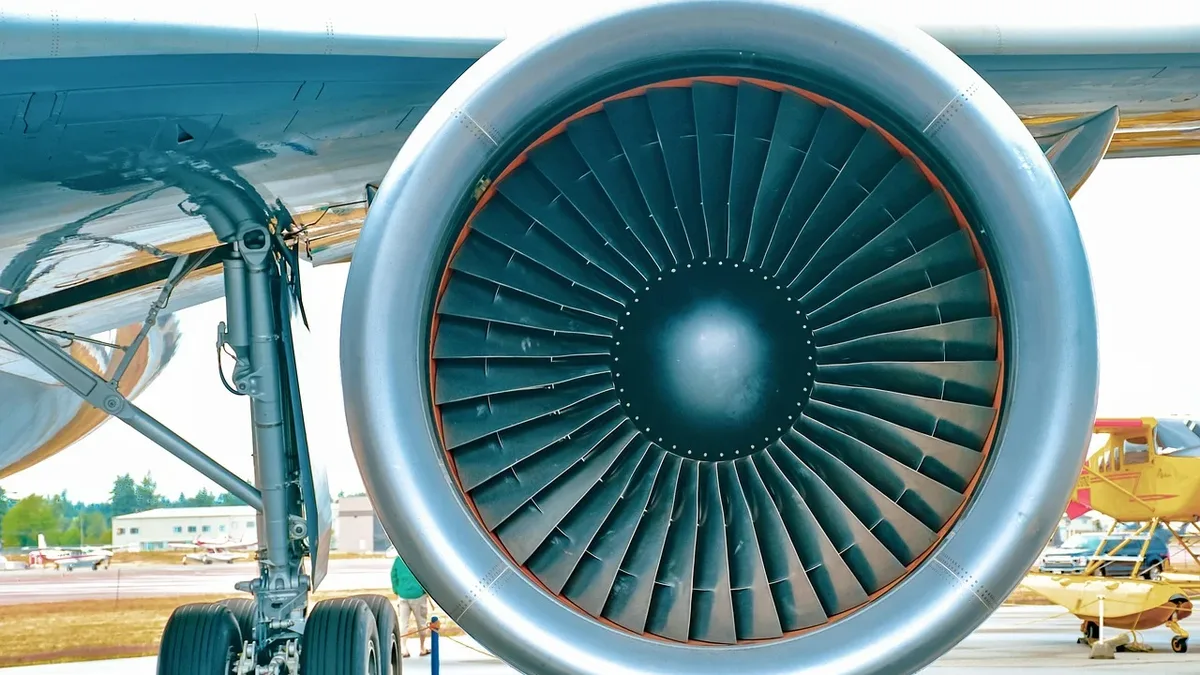
Modern fuel-efficient engines are failing to meet reliability promises, with higher maintenance costs and aircraft groundings offsetting the expected savings for airlines. A new report from the International Air Transport Association (IATA) details how engine durability problems, spare parts shortages, and constrained aftermarket access are disrupting operations.
IATA CEO Willie Walsh highlighted a financial disconnect, noting airlines have incurred around $11 billion in additional costs due to supply-chain disruptions while engine manufacturers have performed well. "They've done extremely well at a time of major disruption for the airlines." Walsh said.
Supply Chain and Durability Problems
The issues are a mix of supply chain constraints and engine durability failures. Pratt & Whitney's GTF series for narrowbody aircraft and Rolls-Royce's Trent 1000 for the Boeing 787 have been particularly problematic. The number of grounded Pratt & Whitney GTF-powered aircraft peaked in March 2025, with 648 aircraft, or 28% of the GTF fleet, out of service.
Azul CEO John Rodgerson summarized the core durability issue, stating the new engines are just "not lasting as long." Despite some recent improvements, the strain on the engine market is expected to continue for at least another couple of years.
Manufacturer Responses and Improvements
Engine manufacturers are introducing upgraded models and investing in increased production and repair capacity. Pratt & Whitney has launched the GTF Advantage, while Rolls-Royce is delivering the Trent 1000 XE.
| Engine Model | Key Improvement | Aircraft Application |
|---|---|---|
| Pratt & Whitney GTF Advantage | Up to double time on wing, 4-8% higher take-off thrust | A320neo family (PW1100G-JM) |
| Rolls-Royce Trent 1000 XE | Triple on-wing durability vs. Predecessor | Boeing 787 |
Pratt & Whitney says the GTF Advantage extends its lead in fuel efficiency for single-aisle aircraft. Rolls-Royce claims its Trent 1000 XE offers dramatically increased durability and has attracted new sales.
Industry Outlook and Lasting Constraints
Airline executives believe engine issues will remain the industry's biggest constraint for the foreseeable future. United Airlines CEO Scott Kirby said he thinks engines will be the top constraint for at least the next five years. He praised GE's efforts and said Pratt & Whitney was sincere in fixing its challenges, but added, The truth is the only one that I sort of have in my doghouse is Rolls.
The fundamental problems began with industrial capacity losses during the COVID-19 pandemic, compounded by strong aircraft demand and supplier attrition. While lessor Avolon's CEO Andy Cronin notes incremental improvement year-on-year, the overall engine fleet remains very tight.
These reliability problems are making the industry cautious about introducing all-new propulsion systems. As manufacturers like CFM International work on revolutionary open-fan engines, the durability struggles of the 2020s may reshape how the industry approaches the engines of the 2030s.