US Military Pilot Salaries Face Retention Pressure in 2026
Salaries for US military pilots in 2026 reflect intense competition from commercial airlines, with total compensation packages reaching six figures through
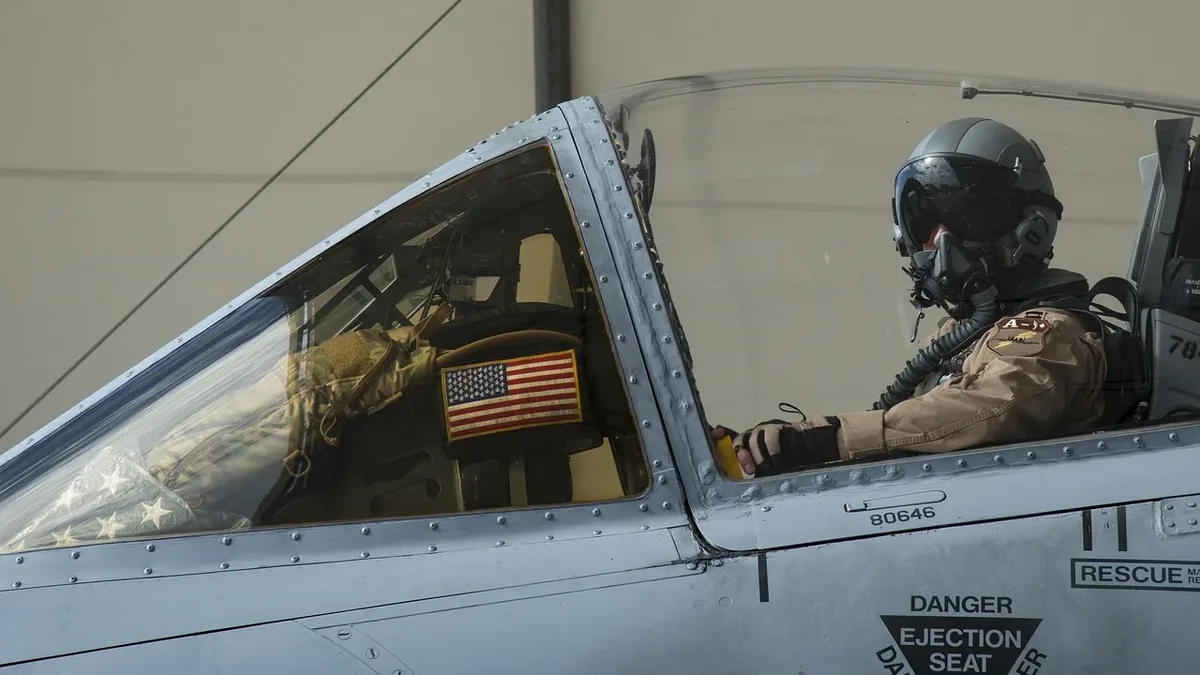
US military pilot salaries in 2026 are under scrutiny as the armed forces compete with commercial airlines to retain experienced aviators. While early-career pay does not match airline levels, total compensation including benefits can reach six figures.
Each branch of the US military operates a distinct aviation ecosystem with different missions and pay structures. The United States Air Force, US Navy, US Marine Corps, and US Army all offer base pay along with housing allowances, flight pay, bonuses, healthcare, and retirement benefits.
Branch Missions and Aircraft Fleets
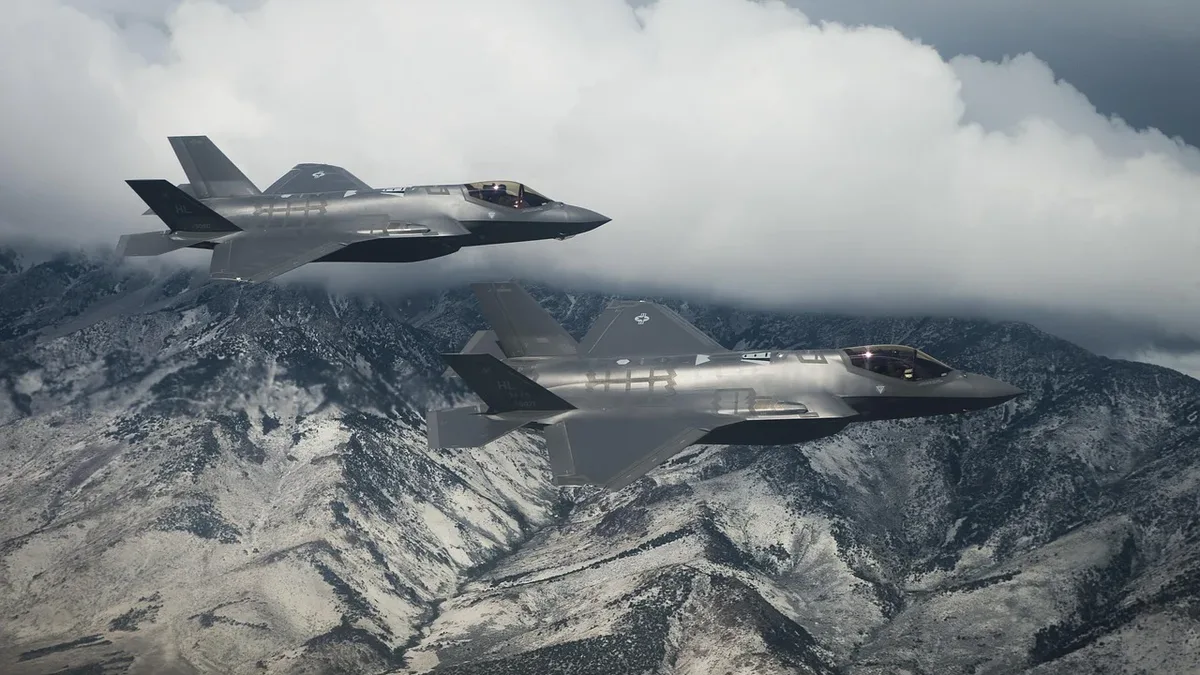
The USAF focuses on air superiority, strategic bombing, and global mobility with aircraft like the F-22 Raptor and B-21 Raider. The US Navy specializes in carrier-based operations, flying the F/A-18 Super Hornet and F-35C from ships at sea. The Marine Corps provides expeditionary aviation support with the F-35B Lightning II and MV-22 Osprey, often operating alongside ground forces. The US Army's aviation is primarily helicopter-based, use the AH-64 Apache and UH-60 Black Hawk for transport and attack missions, with a unique career path heavily reliant on warrant officers.
Air Force Leads with Highest Bonuses
The United States Air Force, as the largest military aviation employer, faces significant retention challenges. To counter aggressive airline recruitment, it offers substantial aviation incentive pay and retention bonuses. A newly commissioned pilot starts with a base salary of roughly $50,000 to $60,000, but total compensation typically reaches $75,000 to $95,000 in first assignments. Fighter pilots on deployment can exceed this.
Mid-career pilots at the O-3 and O-4 levels often earn between $120,000 and $160,000. Senior officers flying high-demand aircraft like the F-22 or commanding squadrons can make over $180,000, especially with bonuses. Aviation career incentive pay itself ranges from about $125 to $1,000 monthly based on service years. The Air Force views these bonuses as a financial necessity, as training a replacement fighter pilot costs millions of dollars.
Navy Compensation Enhanced by Sea Duty
US Navy aviators receive extra pay for the demanding conditions of carrier operations. Entry-level naval aviators generally earn between $80,000 and $100,000 annually when housing allowances, sea pay, and flight pay are included. Those deployed on carriers get additional tax advantages and operational compensation.
Mid-career pilots flying aircraft like the F/A-18 Super Hornet or P-8 Poseidon commonly earn between $130,000 and $170,000. Senior commanders and air wing leaders can exceed $190,000 with bonuses. The Navy also relies on aviation continuation pay to offset retention challenges, valuing the unique carrier qualifications that make its pilots attractive to civilian aerospace employers later in their careers.
Marine Corps Pilots in Expeditionary Roles
Marine Corps aviators operate in intense expeditionary environments supporting amphibious and close air support missions. Junior Marine pilots typically earn between $75,000 and $95,000 annually after accounting for flight pay and allowances. They fly a diverse fleet including the F-35B and CH-53K King Stallion, often deploying aboard amphibious assault ships.
Mid-career Marine aviators often make between $120,000 and $160,000, while senior officers and squadron commanders can exceed $180,000 with included bonuses. The report notes that Marine aviation retention has become increasingly challenging, mirroring pressures felt across all services as commercial airlines continue their hiring campaigns.