Flight Attendants Commute Internationally for Work-Life
Flight attendants, particularly in the US, often undertake long-distance commutes, sometimes across oceans, to balance high living costs at major hubs with
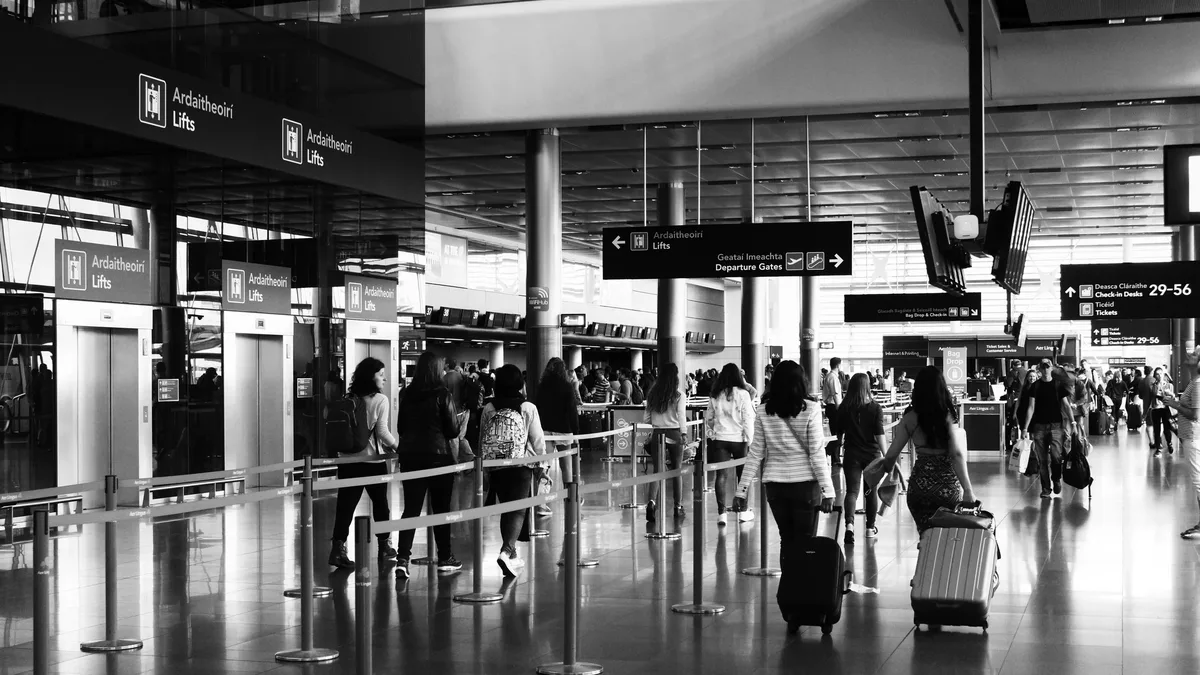
Some flight attendants and pilots commute thousands of miles to their assigned bases, a practice common in the US but often restricted elsewhere. They do this to manage living costs and maintain family stability.
Family Ties and Financial Pressures
Crew members are frequently assigned to bases in expensive cities like San Francisco, New York, or London. Commuting allows them to live in more affordable areas or remain in established communities. For many, moving is not feasible due to a partner's local job or children in local schools.
Junior flight attendants often receive distant base assignments. Many choose to commute rather than relocate immediately, though this is challenging while on reserve duty. Some opt for temporary housing at their base until gaining enough seniority to transfer closer to home.
The Logistics and Costs of Long-Distance Commutes
Commuting is conducted via staff travel on standby seats, which carries the risk of no availability. Airlines generally require commuters to arrive at their base with a buffer, often two days before a scheduled duty. Missing a report time can lead to disciplinary action or termination.
One Delta Air Lines flight attendant, Princilla, commutes approximately 5,100 miles from Accra, Ghana, to her New York base. She travels two days early, as required by Delta's policy. Her monthly expenses include $1,100 to $1,200 for flights, $375 for a crash pad, and $250 for airport transport. As a junior attendant earning an estimated $40,000 to $50,000 annually, this represents a significant portion of her salary.
Airline Policies and Discouragement
Airlines do not encourage commuting, primarily due to reliability and fatigue concerns. They prefer crew to live near their base, especially those on reserve. Policies vary, but a late arrival, even due to a canceled commuting flight, is typically classified as a 'no-show.' One US airline reportedly dismissed 50 flight attendants for being late due to commuting.
Specific policies exist at carriers like American Airlines and United Airlines. American designates commuters via its intranet, allowing them to list for flights from served airports. United permits flight attendants to list for two flights before duty but requires them to stay in contact with crew scheduling.
International Commuting Examples
Long-haul international commuting is not unusual among US major carrier crews. Some live in Europe, Asia, or Australia while being based in the US. A flight attendant told reporters he was based in Miami but lived in Medellín, Colombia, stretching his salary further due to the exchange rate. He commuted for two years, using a three-hour flight and a crash pad.
Routes like London to New York are considered popular commutes due to frequency and flight time. According to Medium, some crew find commuting from European cities to US bases easier than domestic US commutes. The practice is most feasible for senior crew with greater schedule control.
Fatigue remains a key airline concern, as they do not want crew arriving tired for safety-sensitive roles. Despite the challenges, many crew adapt to the routine, prioritizing the ability to choose their home location and access discounted travel.