FAA Proposes Relaxing Oxygen Mask Rules for Pilots
The FAA has proposed easing oxygen mask requirements for pilots operating pressurized aircraft under Parts 91 and 135, citing modern safety systems and
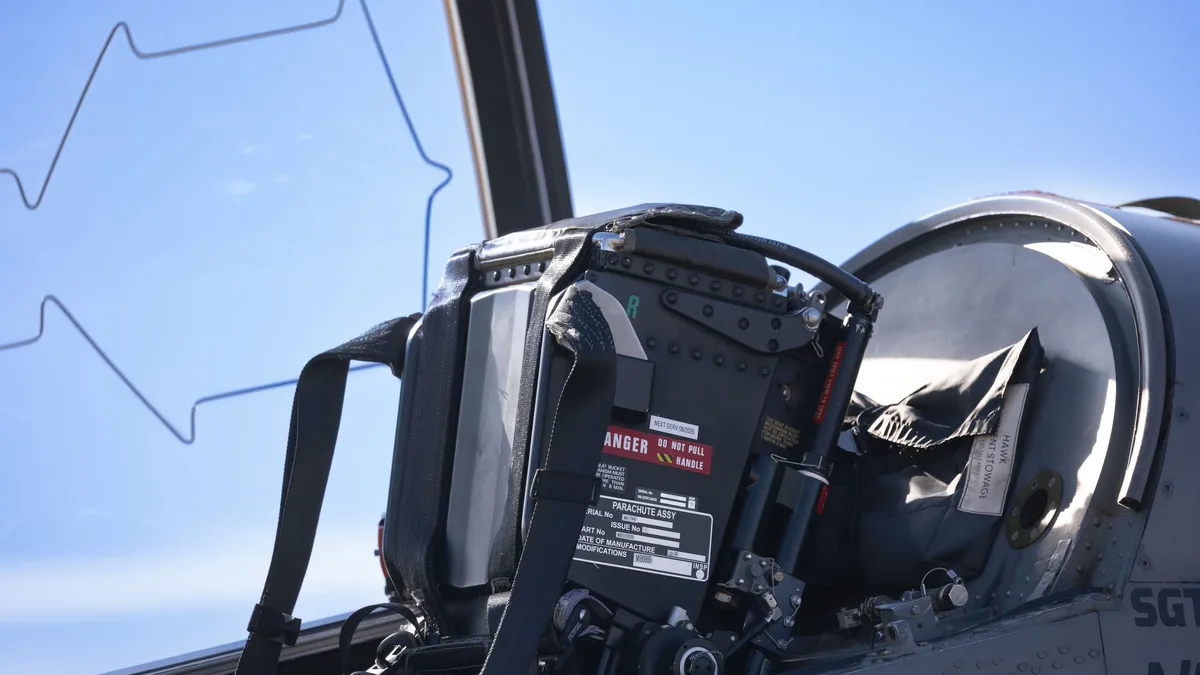
The FAA has issued a Notice of Proposed Rulemaking to revise oxygen mask requirements for pilots in pressurized aircraft under Parts 91 and 135. The proposal, open for public comment until November 23, 2026, would raise altitude thresholds and exempt certain crews from continuous mask use, aiming to save operators millions of dollars annually.
Current regulations
Under current Part 91 regulations, one pilot must generally wear and use an oxygen mask above FL350. Two-pilot crews equipped with quick-donning masks are exempt through FL410 under current Part 91 rules.
Proposed changes
The FAA's proposed rule would allow pressurized aircraft with quick-donning masks to operate at any altitude for which the airplane is certificated without requiring a pilot to continuously wear a mask. For Part 135 operations, the changes are more specific.
| Operation Type | Current Threshold | Proposed Threshold |
|---|---|---|
| Part 135 Two-Pilot (quick-donning) | FL350 | FL410 |
| Part 135 Single-Pilot | FL250 | FL350 |
Part 91 pilots in pressurized aircraft with quick-donning masks would be exempt from wearing oxygen masks at any certified altitude. If adopted, the proposed changes would allow operation of airplanes at higher altitudes without requiring at least one pilot at the controls to wear and use an oxygen mask.
Rationale and impact
The FAA justifies the change by citing advancements in modern aircraft pressurization and warning systems. It also points to a low incidence of high-altitude decompression events. The change aligns existing regulations more closely with international standards. These updates come in response to a requirement in the FAA Reauthorization Act of 2024.
The economic impact is significant. The FAA estimates operators could save significant oxygen servicing costs, estimated at $100-$400 per fill, by avoiding unnecessary high-altitude refills. Based on roughly 4.7 million annual Part 91 and 135 turbojet and multiengine turboprop operations, the agency estimates operators could save between $4.7 million and $18.6 million annually for every 1% of those operations that avoid an oxygen servicing event under the revised rules. The proposal aims to save operators millions of dollars annually without compromising safety.
The FAA states the changes would reduce regulatory and economic burdens on operators by changing certain requirements pertaining to pilots' use of oxygen masks. Public comments on the docket FAA-2026-12145 are open through November 23, 2026.