Japan Scrambles Jets as Chinese Drones Fly Near Okinawa
Japanese fighter jets were scrambled on October 19, 2026, after two Chinese military drones and a Y-9 aircraft flew near Okinawa during the opening of the major Keen Sword 27 exercise with the United States.
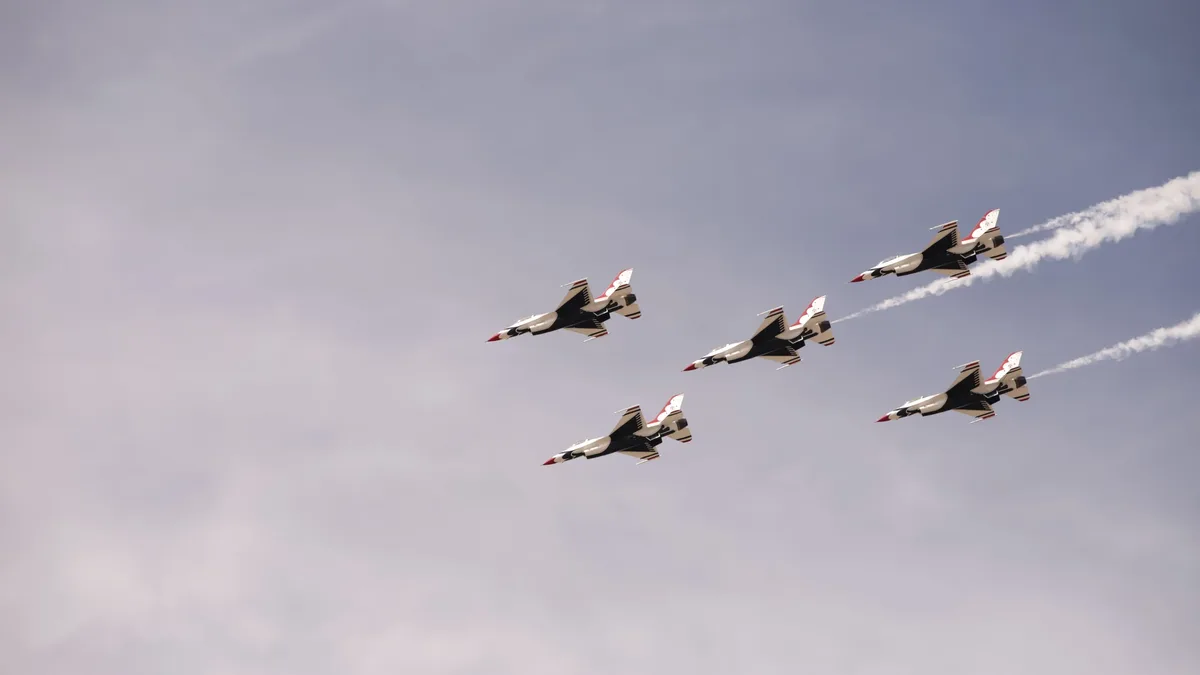
Japanese forces scrambled fighter jets on October 19, 2026. The response came after two Chinese military drones and a Y-9 intelligence-gathering aircraft flew near Okinawa. The incident occurred on the opening day of the Keen Sword 27 joint military exercise with the United States.
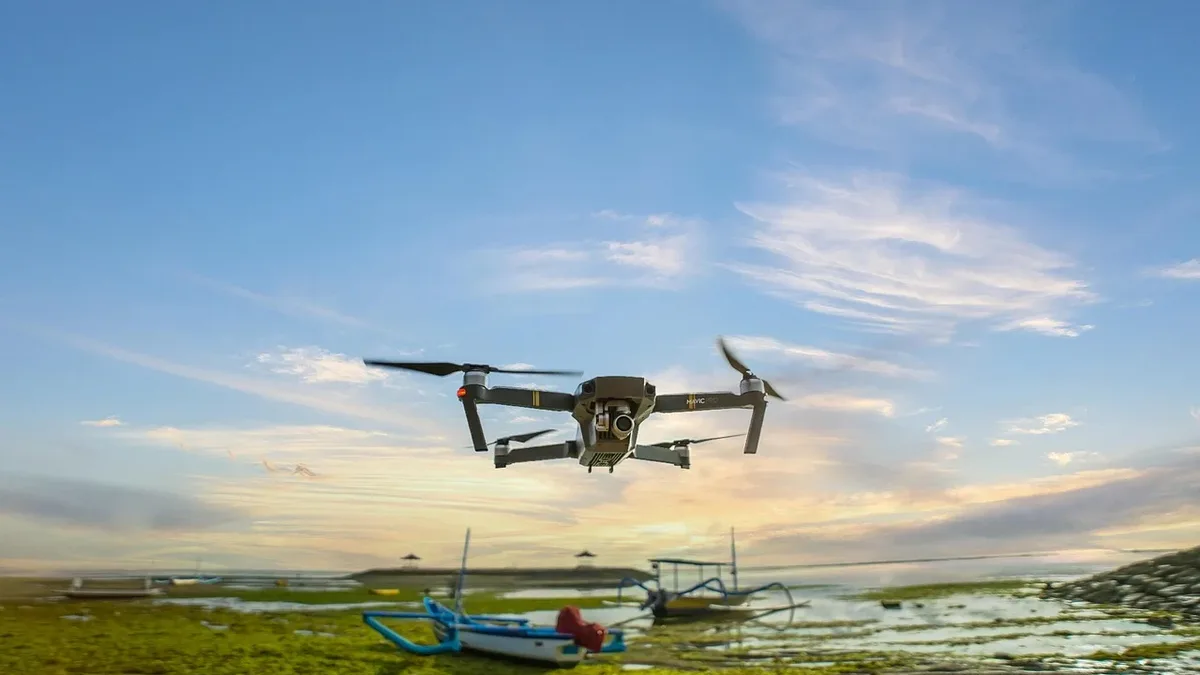
Three People’s Liberation Army aircraft flew through international airspace between Japanese islands into the Pacific. They later headed back towards mainland China. A TB-001 reconnaissance and attack drone passed between Yonaguni Island and Taiwan. It flew northeast as far as waters off Amami Oshima before turning back. The drone then passed through the Miyako Strait towards China.
This marked the first publicly confirmed passage of Chinese military drones between Okinawa and Miyakojima since June 30, 2025. Drone activity in the area has been increasing. A GJ-2 armed drone was first spotted on the same route near Japan on February 26, 2025. More recently, a TB-001 flew over the East China Sea off Okinawa on October 9, 2026. Five days later, a suspected Chinese drone passed between Yonaguni and Taiwan, and a WZ-7 reconnaissance drone flew over the East China Sea.
The frequency of these flights has fluctuated in recent years. Japan's Joint Staff reported the following number of Chinese drone flights:
| Fiscal Year | Number of Drone Flights |
|---|---|
| 2023 | 8 |
| 2024 | 23 |
| 2025 | 16 |
| 2026 (as of Oct 19) | 5 |
In the October 19 event, a BZK-005 reconnaissance drone and the Y-9 aircraft flew from the East China Sea through the Miyako Strait into the Pacific Ocean. They then turned toward mainland China.
Keen Sword 27 Exercise Details
The joint Japan-US military exercise Keen Sword 27 runs from October 19 to 29, 2026. It is one of the biggest drills ever conducted by the two allies. Approximately 45,000 Japanese Self-Defense Forces personnel are participating. They are joined by about 12,000 US troops. The Japanese contingent includes 6,100 vehicles, 40 vessels, and 260 aircraft.
Training covers integrated air and missile defense, anti-ship warfare, amphibious operations, and dispersed operations. Forces from Australia, Canada, France, Germany, the Netherlands, New Zealand, and the Philippines are also taking part.
Japanese Type 25 surface-to-ship missiles were deployed at a training ground in southern Kyushu. This marked their first deployment outside Kumamoto Prefecture since earlier in the year. The missiles have a range of approximately 1,000 kilometers.
Concurrent Chinese Naval Movements
Japanese authorities also reported significant Chinese naval activity around the exercise. Seven Chinese military vessels were detected moving near Japanese waters. The reconnaissance ship Yuhengxing passed through the Osumi Strait. Another, the Kaiyangxing, transited the Miyako Strait.
The Japanese military detected the destroyer Qiqihar and the combat support ship Hulunhu. The Hulunhu is intended to supply aircraft carrier strike groups. Japan reported that the Chinese aircraft carrier Liaoning, accompanied by three escort ships, passed through the Miyako Strait into the Pacific Ocean.
In a separate incident days before Keen Sword began, Japan scrambled fighter jets after the Liaoning conducted flight operations. The carrier launched and recovered an unspecified number of Chinese aircraft about 155 miles south of Ishigaki Island. This location is within Japan’s exclusive economic zone. Japan dispatched the destroyer JS Yugiri, a P-1 maritime patrol aircraft, and a P-3C Orion surveillance plane to monitor the Chinese vessels.
China’s Defense Ministry confirmed a naval task group led by the Liaoning was training in the Western Pacific. The deployment was described as annual routine training conducted in accordance with international law. Chinese officials stated the exercise was not directed at any specific country or target.
Evolving Defense Posture
In response to evolving threats from unmanned aircraft, Japan is revising its three national security and defense policy documents. The increasing use of drones like the BZK-005 long-endurance surveillance drone and the twin-engine TB-001, capable of carrying weapons, is a key driver for this update. The incident during Keen Sword 27 highlights the growing challenge unmanned aerial systems pose to regional security and integrated air defense.