Sweden Air Force Integrates Highway Runways, Taurus Missiles
Sweden's Air Force is adopting a new strategy combining dispersed operations from highway runways with long-range Taurus cruise missiles on Gripen fighters to deter Russian aggression, informed by lessons from Ukraine.
Sweden's Air Force is implementing a new operational concept that uses highways and road strips as runways to disperse its Gripen fighter fleet. The strategy combines this growing dispersal capability with the integration of long-range Taurus KEPD 350 cruise missiles, aiming to keep the force operational after an initial attack and strike targets deep inside an adversary's territory.
The concept involves dispersing aircraft across military bases, civilian airports, and specially prepared road strips. During Exercise Aurora 26, Gripens from the Blekinge Wing operated for five days from short runways at the Cold War-era Hagshult base. Each of the short runway strips at Hagshult is 800 meters long and is intended for use if the main runway is knocked out. The Swedish Armed Forces stated on April 30, 2026, that dispersal aims to make the force less vulnerable to external threats. Lieutenant Colonel Robin Ohlsson, commander of the 171st Fighter Squadron, noted the Ukrainian example. "It is through dispersal that Ukraine is handling the war," Ohlsson said. He added that Sweden’s short-runway experience could feed into NATO’s Agile Combat Employment concept. Sweden’s 2027 budget submission confirms the Air Force will continue developing dispersal between military bases, civilian airfields, and road bases through 2030.
Long-range strike integration with Gripen
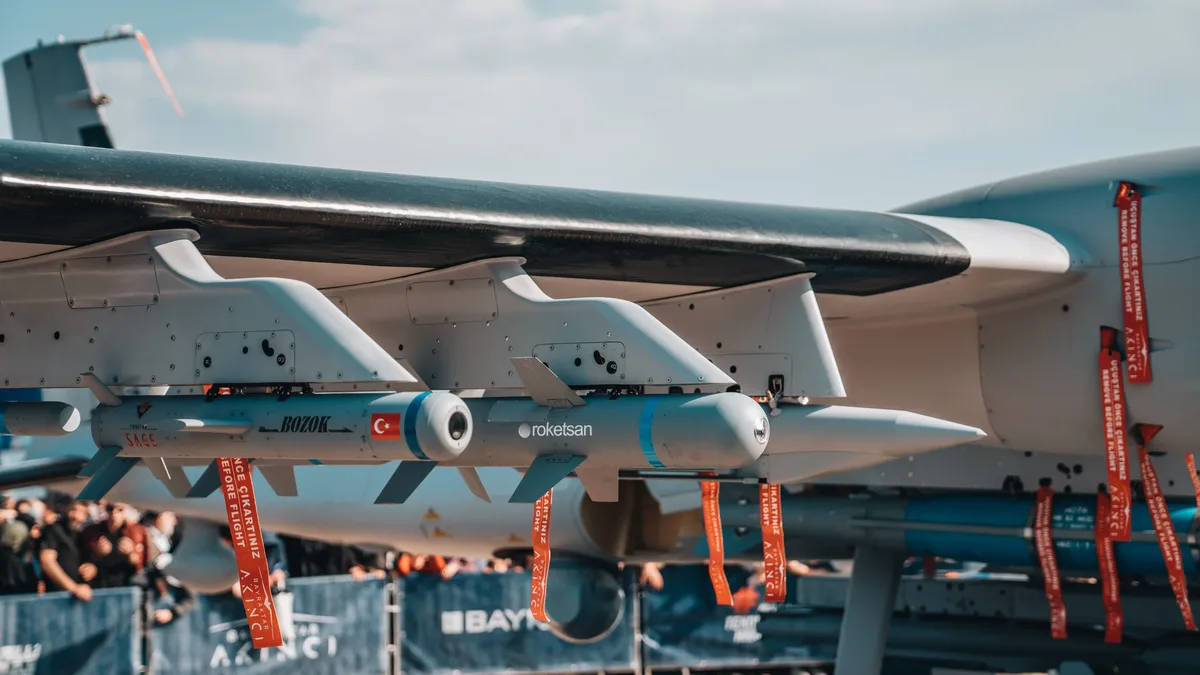
A key element is the integration of Taurus KEPD 350 cruise missiles with JAS 39 Gripen fighter jets. TAURUS Systems GmbH, a joint venture between MBDA Deutschland and Saab Dynamics, carried out the integration work. The Swedish Air Force announced on August 21, 2026, that a Gripen launched a Taurus for the first time at the Vidsel Test Range. Saab lists the missile’s range as more than 500 kilometers and describes it as designed to attack hardened and deeply buried targets. According to the Swedish Armed Forces' 2024 annual report, the Swedish Defence Materiel Administration was tasked with procuring the KEPD 350 from Germany and integrating it first on the JAS 39C variant, with integration on the newer JAS 39E planned for a later stage.
Strategic deterrence and deep strike doctrine
The updated doctrine emphasizes making aggression costly by striking deep into adversary territory. Colonel Carl Bergqvist, head of the Swedish Air Force's Air Warfare Center, stated that if Russia attacked Sweden, the Air Force would seek to strike military targets deep inside Russia. Potential targets include military infrastructure, bases, command nodes, and logistics. The doctrine was updated based on lessons from the war in Ukraine, where deep strikes proved highly effective. Bergqvist clarified that the strategy is about deterrence, not preemptive strikes, and that a potential aggressor must understand war would not be confined to Swedish territory.
Swedish planning documents show the concept is taking shape. The 2027 budget submission defines long-range strike as including the ability to engage targets at a strategic depth up to approximately 2,000 kilometers. Such a capability would strengthen deterrence by allowing Sweden to degrade an adversary’s critical infrastructure and military installations. The document states that further analysis will precede the choice of weapon system for this 2,000-kilometer reach and does not specify that it would come from a Gripen-launched weapon.
Current NATO deployments and future planning
Swedish Gripens are already engaged in NATO operations. Gripens from the Blekinge Wing began a two-month NATO mission on October 1, 2026, to protect the logistics hub in southeastern Poland that supports Ukraine. The aircraft are based mainly in Sweden, with a smaller forward base in Poland. Separately, on October 6, 2026, the Swedish Armed Forces announced that the Air Defense Regiment would deploy its Patriot air defense system and about 100 soldiers to Rzeszów under NATO command in December 2026. This marks Sweden’s first NATO operation involving the Patriot system, and planning is underway to extend the deployment into the first half of 2027. The 2027 budget submission also includes development of mobile units capable of servicing fighters away from main bases, supporting the dispersal strategy. Sweden will continue developing dispersal between military bases, civilian airfields, and road bases through 2030.