BAE Systems reveals lightweight Shadow EW
BAE Systems has unveiled a family of electronic warfare payloads weighing around 3 kilograms, designed for small aircraft and drones.
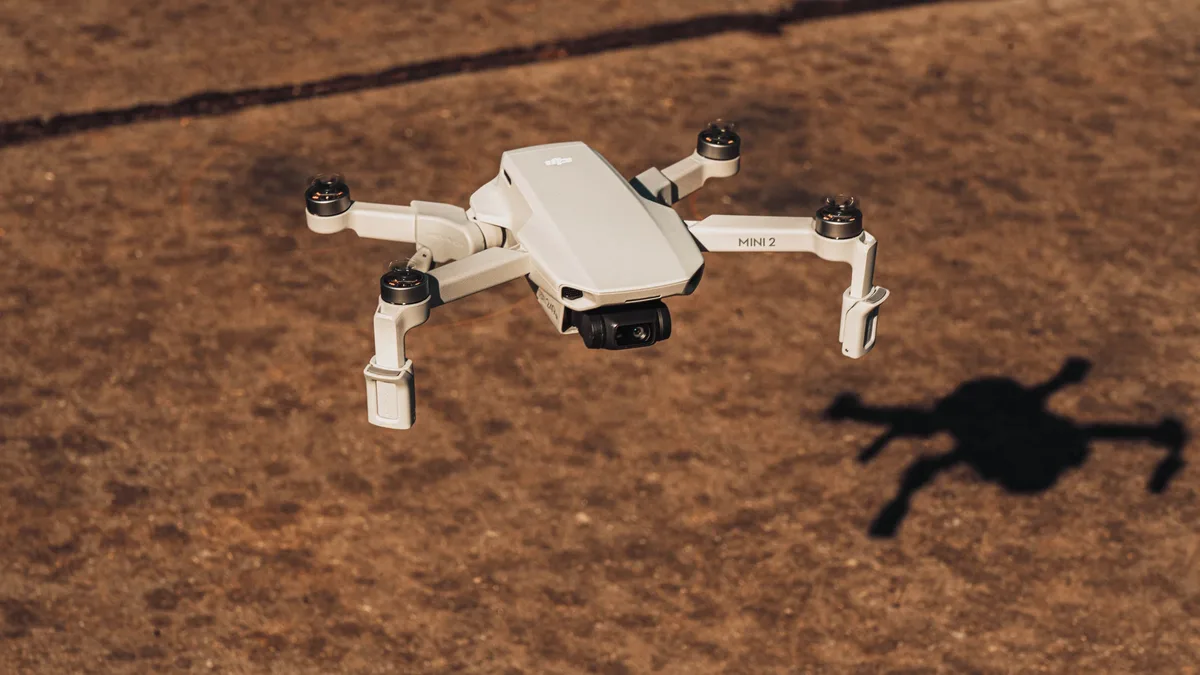
BAE Systems has introduced a new family of electronic warfare payloads designed for small aircraft and drones. The systems, named Shadow EW, each weigh approximately 3 kilograms (7 pounds) and are intended to provide electronic sensing, targeting, and deception capabilities.
According to the company, this development marks a shift toward distributing electronic warfare functions across multiple, potentially expendable platforms. BAE Systems has not yet announced any customers, integration contracts, or specific aircraft selected to carry the new payloads.
Three payload variants detailed
The company outlined three distinct variants, each with different capabilities and production timelines. All models use commercially available components like Nvidia Jetson Orin modules and feature an open architecture for software updates.
| Variant | Production Start | Weight | Frequency Coverage | Key Features | Power Consumption |
|---|---|---|---|---|---|
| Shadow EW 100 | 2027 | 3.3 kg (7.2 lb) | 70 MHz to 6 GHz | Basic electronic warfare | Less than 150 W |
| Shadow EW 120 | 2028 | Similar to 100 | 5 MHz to 6 GHz | Extended low-frequency coverage | Similar to 100 |
| Shadow EW 500 | 2029 | ~3.2 kg (7 lb) | 10 MHz to 18 GHz | Adds RF direction finding and geolocation | Up to 250 W |
BAE Systems stated this design approach aims to support affordable, high-volume production, though specific unit prices and production targets were not disclosed. Physical manufacturing will occur in Cedar Rapids, Iowa, with software and design work based in Nashua, New Hampshire.
A growing market for compact systems
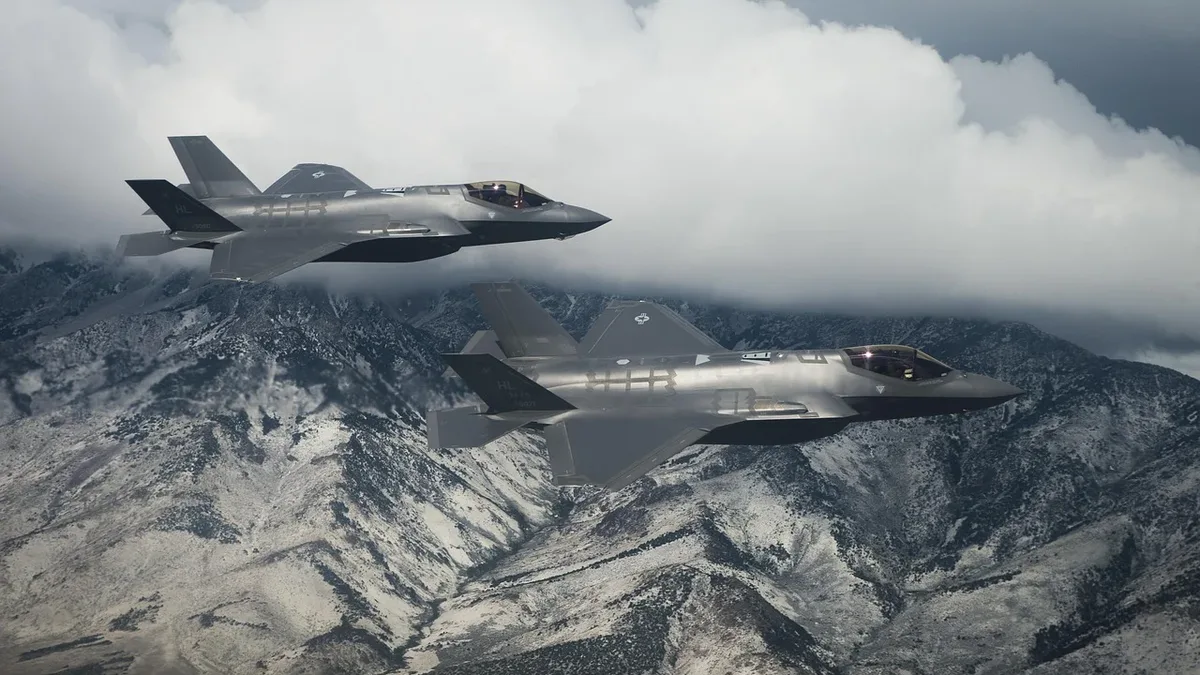
The Shadow EW family enters a competitive market for compact electronic warfare systems. These payloads are designed to operate alongside crewed fighters in contested airspace, performing roles like detecting enemy emissions or supporting the suppression of air defenses.
Other companies are pursuing similar technologies. In October 2024, Leonardo introduced its BriteStorm, a compact stand-in jamming payload for uncrewed aircraft. MBDA is also developing its Expendable Remote Carriers, uncrewed platforms meant to carry sensors or electronic warfare gear alongside fighters.
In a demonstration noted by the source, Turkey's ASELSAN reported trials in September 2026 involving two Bayraktar TB2 drones. One drone carried ANTIDOT electronic support and attack pods, while the other was equipped with a FULMAR 200 radar. The test showed a coordinated sequence of radar detection, geolocation, electronic attack, and reconnaissance.
BAE Systems' move shows the industry's broader trend toward networked, distributed electronic warfare. The focus is on smaller, more affordable systems that can be deployed in greater numbers, potentially on platforms deemed expendable. The company's timeline sets the stage for production later this decade.