USMC Retires AV-8B Harrier, F-35B Takes Over Amphibious Ship
The US Marine Corps has retired its last AV-8B Harrier squadron, with the F-35B Lightning II now assuming the role of operating from amphibious assault
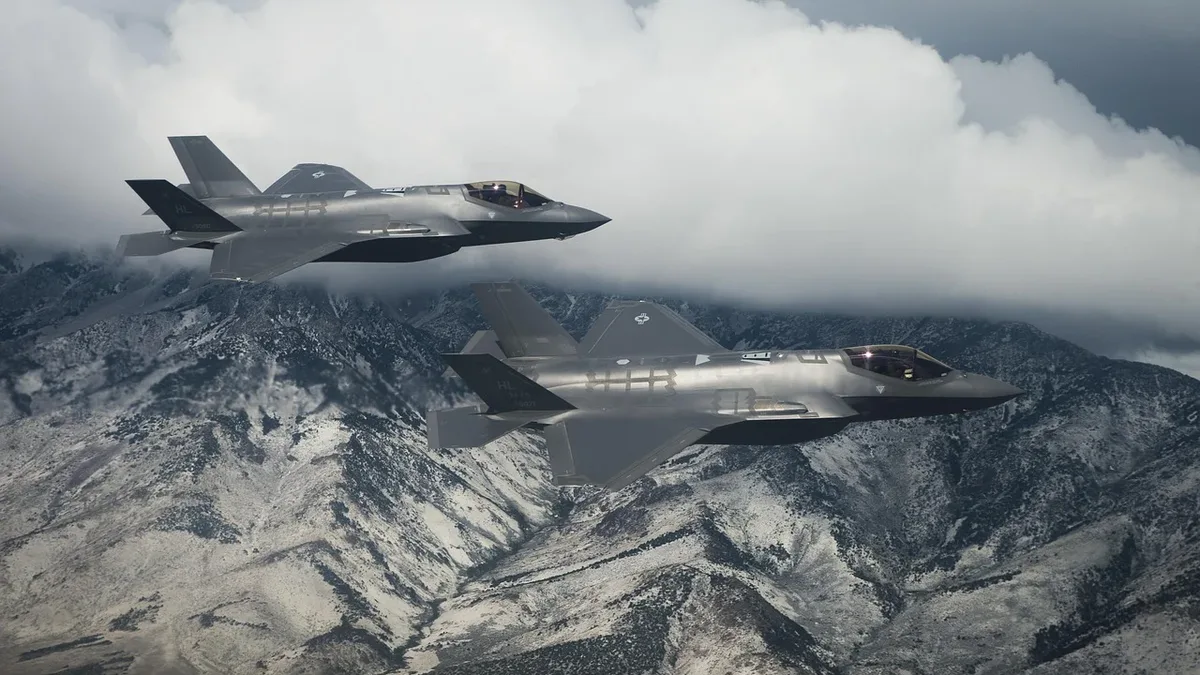
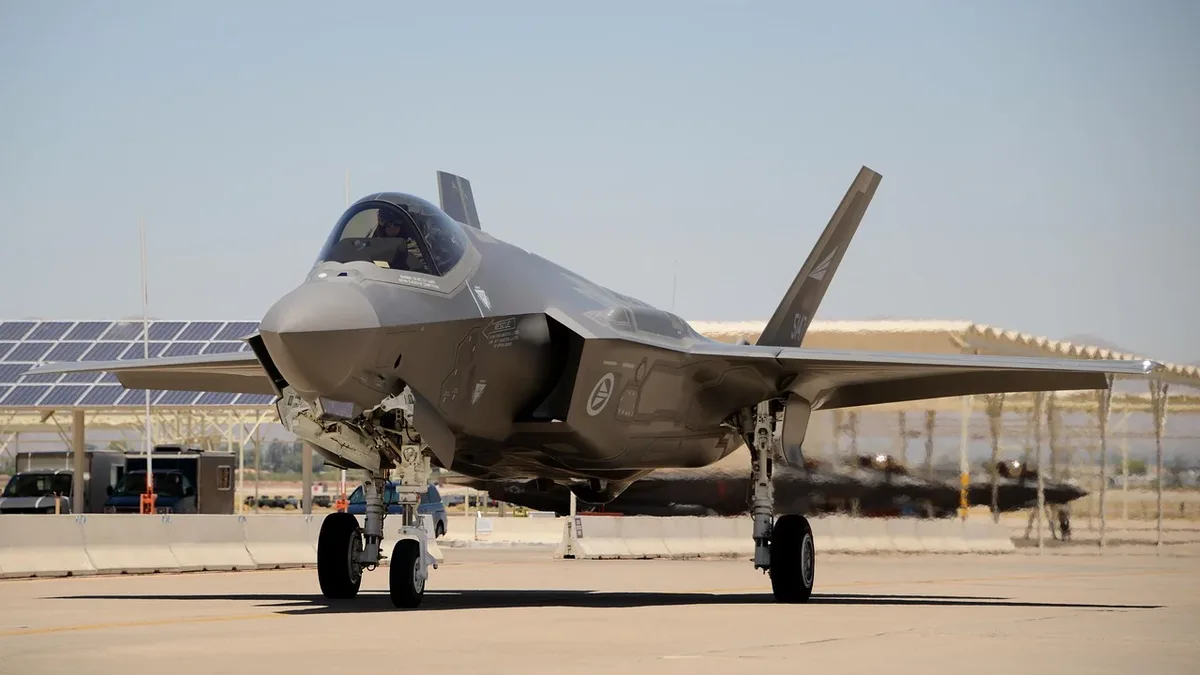
The US Marine Corps has retired its final operational Boeing AV-8B Harrier II squadron. The Lockheed Martin F-35B Lightning II, already flying, is the designated replacement, preserving the ability to operate from amphibious assault ships while adding stealth and advanced sensors.
VMA-223 held its sundown ceremony at Marine Corps Air Station Cherry Point on June 3, ending the Harrier's service career. The squadron is scheduled to reactivate as VMFA-223 in fiscal year 2028 equipped with the F-35B. The transition fundamentally changes the combat contribution of Wasp- and America-class ships, according to the Marine Corps.
The End of the Harrier Era
The AV-8B provided the Marine Corps with a unique short-takeoff and vertical-landing (STOVL) capability for over four decades. It allowed fixed-wing attack aircraft to operate from expeditionary bases, short runways, and the decks of amphibious assault ships. This gave a Marine Expeditionary Unit a ship-based fixed-wing strike capability without needing the catapults and arresting gear of a conventional aircraft carrier.
The official ceremony marked the final handoff between generations of Marine aviation. The Harrier's importance was tied to the ships it operated from, a fundamental advantage the F-35B now inherits.
The F-35B's Shipboard Capability
The F-35B can replace the Harrier because it operates from the same ships. Its STOVL system is the key, allowing operations from amphibious assault ships without catapults. Lockheed Martin describes it as the only supersonic STOVL stealth fighter.
| Specification | F-35B (Manufacturer Figures) |
|---|---|
| Maximum Speed | Mach 1.6 |
| Internal-Fuel Combat Radius | >450 nautical miles (833 km) |
| Internal-Fuel Range | >900 nautical miles (1,667 km) |
The aircraft began operational testing aboard USS Wasp in 2015, generating 110 sorties. The Marine Corps declared it operational later that year. This STOVL capability also provides basing flexibility on land, such as the ability to use unconventional sites like highways.
A Leap in Sensors and Stealth
While sharing a landing method, the Harrier and F-35B have different combat philosophies. The Harrier was a subsonic attack aircraft. The F-35B is a supersonic multirole jet designed around finding threats and sharing information.
The difference starts with sensors. The F-35B fuses data from its radar, electro-optical systems, and electronic warfare suite into a single tactical picture. Lockheed Martin cites sensor fusion and connectivity as central design elements. This allows an F-35B to attack targets while collecting and sharing intelligence with other forces.
The aircraft also introduces low observability. The F-35B was designed from the outset to be difficult to detect, making it better suited for contested battlespaces than the non-stealthy Harrier.
Enabling the 'Lightning Carrier' Concept
The new capability has been pushed in demonstrations. In April 2022, USS Tripoli operated with 20 F-35Bs in a 'Lightning Carrier' exercise. The Marine Corps described this as showing how an amphibious assault ship could generate fifth-generation combat power within an expeditionary force.
This concept provides commanders a way to distribute aviation power. A traditional aircraft carrier remains the primary platform for sustained operations, but an F-35B-equipped assault ship adds a separate source of advanced combat power. While not equivalent to a nuclear carrier, the demonstration showed a substantial fighter component could be supported without conventional carrier infrastructure.
An F-35B-equipped ship can contribute to a wider sensor network, supporting air defense, intelligence gathering, and strikes while using its stealth to reduce vulnerability.
Complexity and Cost Considerations
The F-35B's added capability comes with technical complexity. Its propulsion combines a Pratt & Whitney F135 engine with a lift fan and swivel module for vertical flight while maintaining supersonic speed. The aircraft is also significantly larger than the Harrier it replaces. The financial implications of operating the advanced fighter are similarly complex.