B-52 Stratofortress Could Fly for a Century
The B-52 bomber, first flown in 1952, may serve for 100 years due to its strong design and ongoing modernization.
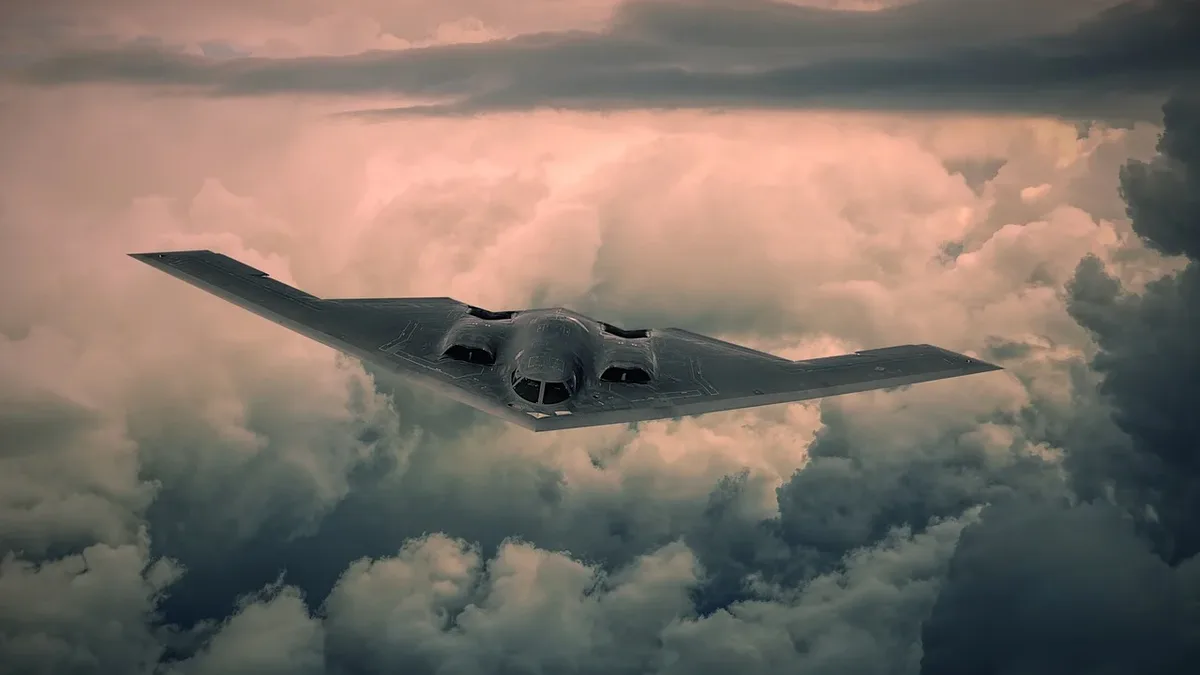
The B-52 Stratofortress, a jet bomber that first flew in 1952 and entered service in 1955, could approach 100 years of continuous flying. This unprecedented longevity for a jet-powered military aircraft depends on continued modernization and sustained policy and funding support.
From Cold War Concept To Strategic Cornerstone
The bomber emerged from a Cold War requirement for a platform capable of projecting nuclear power across vast distances. Boeing's design shifted from early turboprop concepts to feature eight turbojet engines on swept wings, prioritizing range and lift. The National Interest notes that engineers chose a deliberately conservative and strong structural design with built-in growth capacity, which allowed the airframe to evolve rather than become obsolete.
Structural Design & Long-Term Sustainability
The aircraft's longevity is rooted in a structural philosophy that emphasized endurance over marginal performance gains. Its massive wings and strong fuselage accumulated stress fatigue at a surprisingly slow rate. Regular depot maintenance and inspections extended airframe life. Separating mission systems from the physical structure allowed for modular upgrades, preserving the airframe while integrating new technology.
Major Engine Modernization
A key modernization effort is the Commercial Engine Replacement Program. The original Pratt & Whitney TF33 turbofans are being replaced with Rolls-Royce F130 turbofans. These modern engines deliver significantly better fuel efficiency, reliability, and lower maintenance costs. They also increase available electrical power for future systems. Wind tunnel tests have validated the integration, and the program is expected to progress through development and into production later this decade.
Radar & Digital Battlefields
Sensor upgrades are ensuring the bomber's effectiveness in modern contested airspace. In late 2025, a B-52 equipped with a new Active Electronically Scanned Array radar completed a ferry flight for advanced testing. This radar, derived from fighter-class technology, provides high-resolution ground mapping and improved target detection. Though the program faces cost scrutiny, its full implementation would bring the bomber into a modern sensor paradigm. Boeing is also considering installing a fully glass cockpit, according to Air and Space Forces magazine.
These combined upgrades redefine the aircraft's role. More efficient engines reduce logistic strain. Advanced sensors enhance survivability. The B-52's journey from a Cold War deterrent to a 21st-century multi-mission platform continues, with its service life potentially stretching toward the 2050s.