Aircraft Financing Rates And Lease Rentals
Origin and history
The system of Aircraft Financing Rates and Lease Rentals emerged primarily from the United States and Western Europe in the latter half of the 20th century. Its development was driven by the jet age and the enormous capital requirements of airlines seeking to modernize their fleets. The creation of the first operating lease for a commercial aircraft in the early 1970s is a pivotal moment in its formalization. This financial innovation separated the ownership of the aircraft from its operational use, creating a new asset class. The system matured significantly during the 1980s and 1990s with the rise of specialized leasing companies and the globalization of capital markets. Its evolution is inextricably linked to the cyclical nature of the airline industry, with each downturn and recovery refining its practices and risk models.
What it is for
This system exists to facilitate the acquisition and deployment of aircraft, which are exceptionally high-value assets, without requiring airlines to commit vast amounts of their own capital. It provides a mechanism for transferring the risks of aircraft ownership, such as residual value volatility and technological obsolescence, from airlines to entities better positioned to manage them. The system enables airlines to access newer, more fuel-efficient aircraft that they might not otherwise afford, supporting fleet modernization and competitive parity. For investors and financial institutions, it creates a structured avenue for deploying capital into a tangible, mobile asset with a global market. It serves as a critical lubricant for the aviation industry's growth, allowing for fleet flexibility and capacity adjustments in response to market demand. Ultimately, it functions as the circulatory system for aircraft assets, moving them to the operators and routes where they can generate the most economic utility.
Overview
Aircraft Financing Rates and Lease Rentals constitute the financial ecosystem governing how airlines procure aircraft through debt, equity, and leasing structures. Key components include secured lending from export credit agencies and commercial banks, capital markets instruments like Enhanced Equipment Trust Certificates (EETCs), and operating and finance leases from lessors. Rates, such as interest rates on loans or implied discount rates in leases, are determined by the creditworthiness of the airline or lessor, the asset type, and prevailing market conditions. Lease rentals are the periodic payments made by an airline to a lessor, calculated to cover the lessor's cost of capital, asset depreciation, and a margin, over a fixed term. The system involves a complex web of participants: airlines, manufacturers, banks, institutional investors, specialized leasing companies, appraisers, and legal firms. Its health is a leading indicator for the aviation sector, reflecting confidence in future travel demand and asset values.
What to know
A fundamental concept is the distinction between an operating lease, which is essentially a long-term rental off the balance sheet, and a finance lease, which is akin to a purchase with financing. The system is highly sensitive to global economic cycles, with rates and availability of capital tightening dramatically during recessions and expanding during recoveries. Aircraft appraised market value, future residual value, and the credit rating of the lessee are the primary drivers of lease rental calculations and financing terms. Export Credit Agency (ECA) support, from entities like the US EXIM Bank, has historically been a cornerstone for financing new aircraft, providing favorable rates and terms. The market is dominated by a relatively small number of major aircraft types from Airbus and Boeing, as their liquidity and established technical support networks make them more financeable. Understanding the legal and regulatory framework, including jurisdiction-specific laws and the Cape Town Convention, which standardizes asset security, is essential for any participant.
Common questions
How are lease rates determined, and what is a typical rate? Lease rates are not standardized but are derived from the aircraft's capital cost, the lessor's cost of funds, the lease term, expected residual value, and the lessee's credit, often quoted as a monthly dollar amount. Why do airlines lease instead of buy? Leasing offers fleet flexibility, preserves capital, avoids residual value risk, and can provide tax and accounting benefits compared to outright ownership. What happens to aircraft at the end of a lease? They are typically returned to the lessor, who must then re-lease, sell, or part-out the aircraft, a process known as "remarketing." What is the impact of aircraft age on financing? Older aircraft attract higher financing costs and lower loan-to-value ratios due to increased maintenance costs and diminished residual value forecasts. How do interest rates affect this system? Rising central bank interest rates directly increase the cost of debt for lessors and airlines, pushing lease rentals higher and dampening new order activity. What role do credit ratings play? They are critical; investment-grade airlines access debt at significantly lower rates, while lower-rated carriers depend more on leasing, often at higher costs.
Pros and cons
A primary advantage is the system's ability to efficiently match capital with assets, enabling airline growth and technological advancement that would otherwise be prohibitively expensive. It provides airlines with crucial operational flexibility to scale fleets up or down without the long-term commitment and balance sheet burden of ownership. For investors, aircraft can serve as a valuable portfolio diversifier and a hedge against inflation, backed by a tangible asset. A significant con is its inherent cyclicality and vulnerability to exogenous shocks, such as pandemics or fuel crises, which can lead to widespread lease defaults and asset value collapses. Airlines can become over-reliant on leasing, leading to a fragmented fleet of varying types and ages, which increases long-term operating and training costs. A common mistake is for lessors or financiers to overpay for assets during market peaks based on overly optimistic residual value projections, leading to severe losses during the inevitable downturn.
Who it suits
This system suits large, creditworthy airlines with strong balance sheets, as they can leverage favorable financing rates for both purchases and leases to execute long-term fleet strategies. It is particularly vital for start-up and low-cost carriers, which rely almost exclusively on operating leases to launch and expand rapidly without massive initial capital outlays. Established aircraft lessors and specialized investment funds with deep industry expertise and risk management capabilities are core participants suited to navigating the market's complexities. Institutional investors, such as pension funds and insurance companies, seeking stable, long-term yields from tangible assets are also a natural fit for the debt and equity portions of this market. It does not suit risk-averse investors unfamiliar with aviation's volatility or airlines seeking complete control over their assets without external covenants or return conditions. The system ultimately suits the modern global aviation industry as a whole, as it is the indispensable financial architecture that supports the movement of aircraft assets to their highest and best use.
Latest Aircraft Financing Rates And Lease Rentals news
Latest reporting
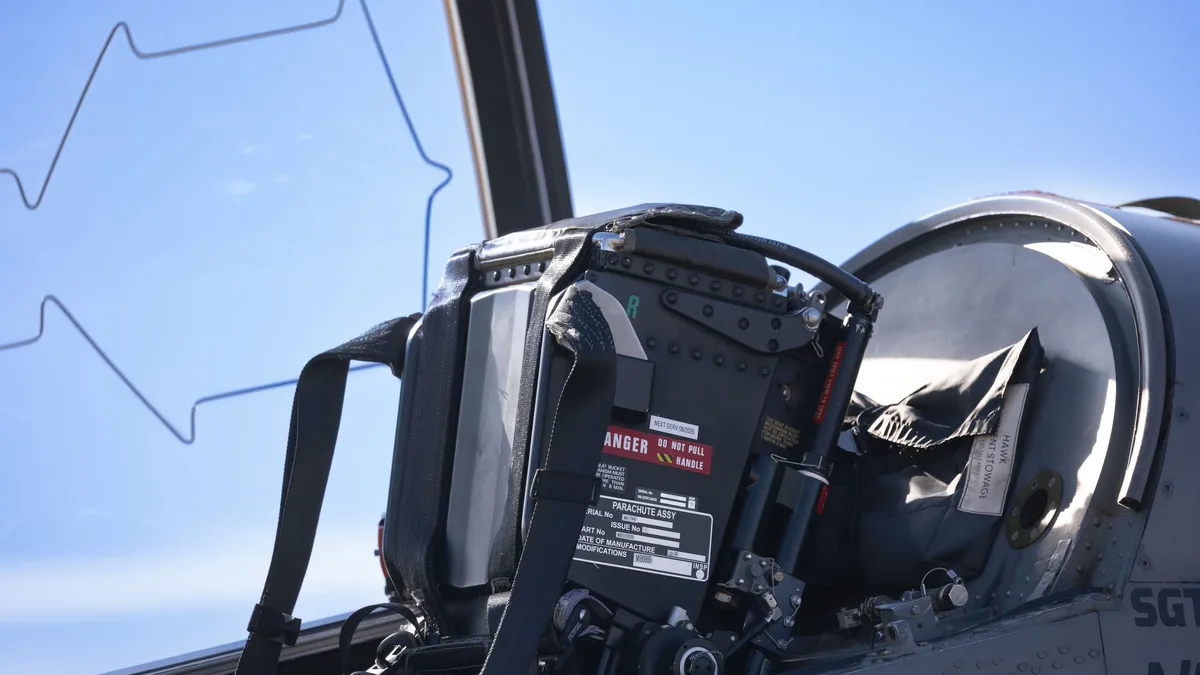
FAA Proposes Relaxing Oxygen Mask Rules for Pilots
The FAA has proposed easing oxygen mask requirements for pilots operating pressurized aircraft under Parts 91 and 135, citing modern safety systems...
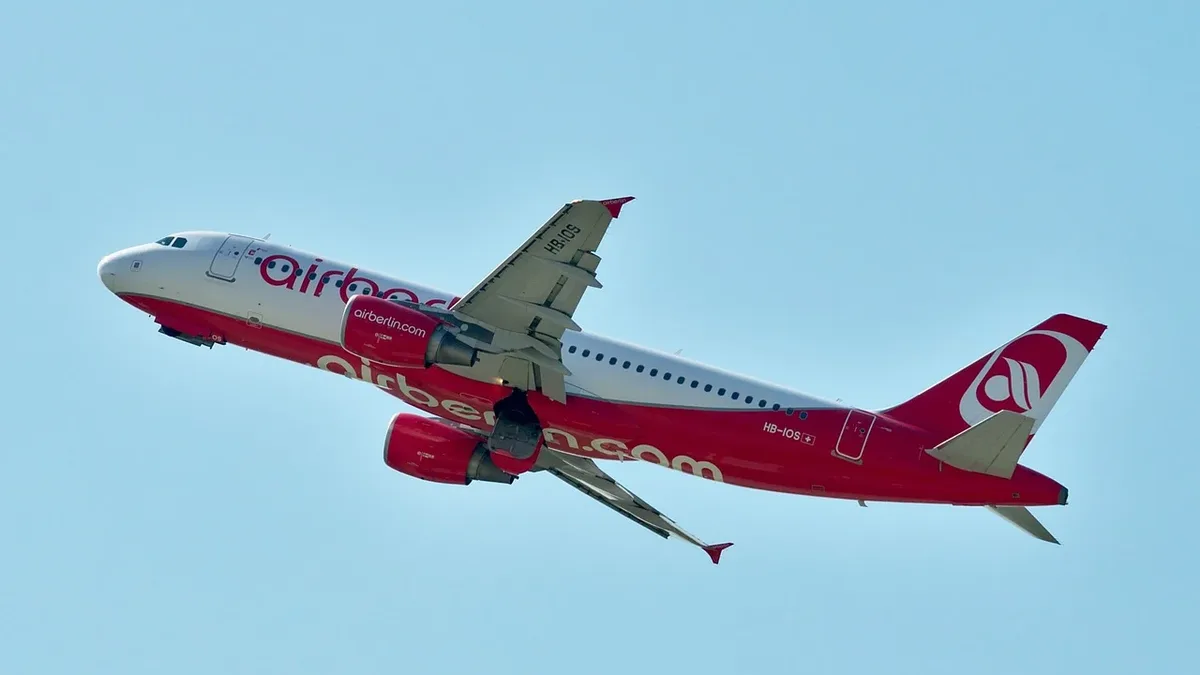
Airbus A321neo corrosion coating flaw affects over 500 jets
Airbus has identified a surface protection deviation on structural stringers in over 500 A321neo aircraft, stating it is a quality issue with a fix
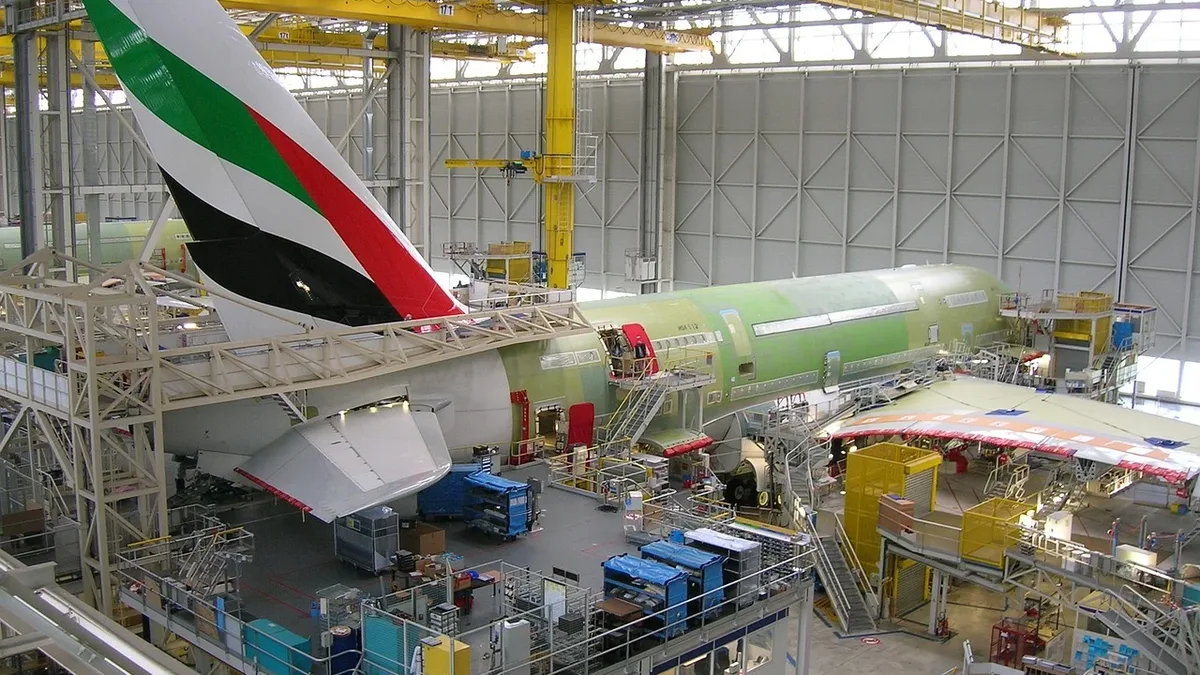
Vertical Aerospace Opens Valo Assembly Center at Cotswold
Vertical Aerospace has opened a new 60,000-square-foot assembly center at Cotswold Airport to build preproduction certification Valo eVTOL aircraft...
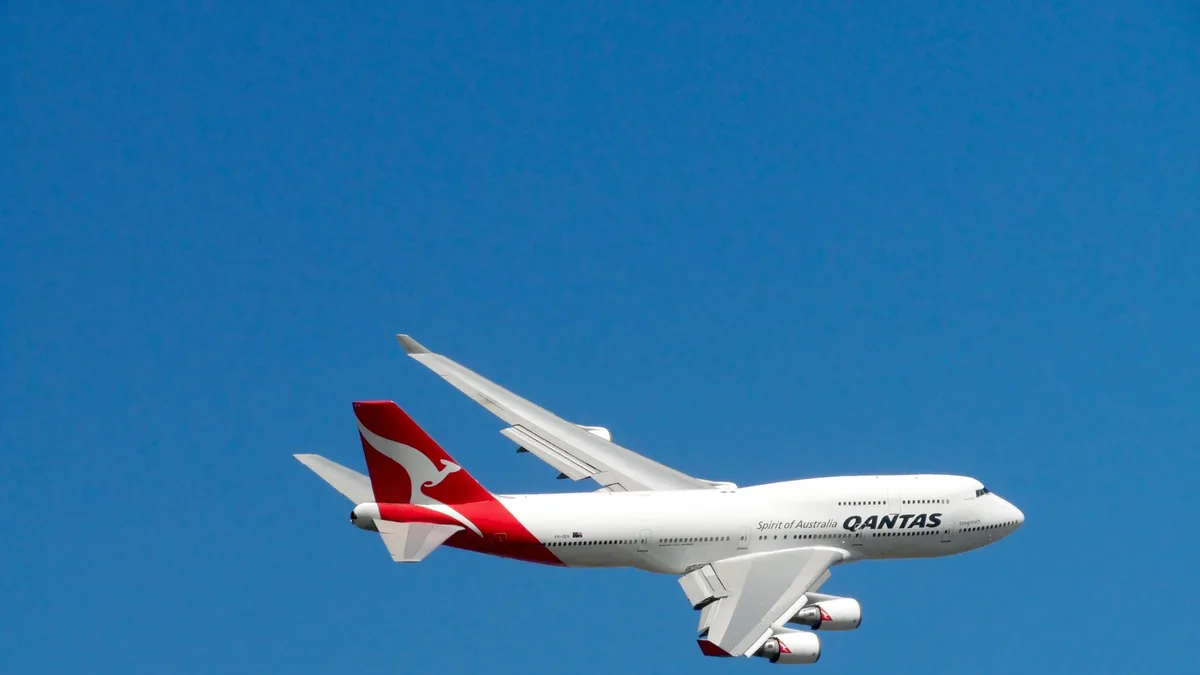
Qantas confirms nonstop Sydney-New York
Qantas will launch the first nonstop commercial flights between Australia and New York in mid-2028 using specially configured Airbus A350-1000ULR...
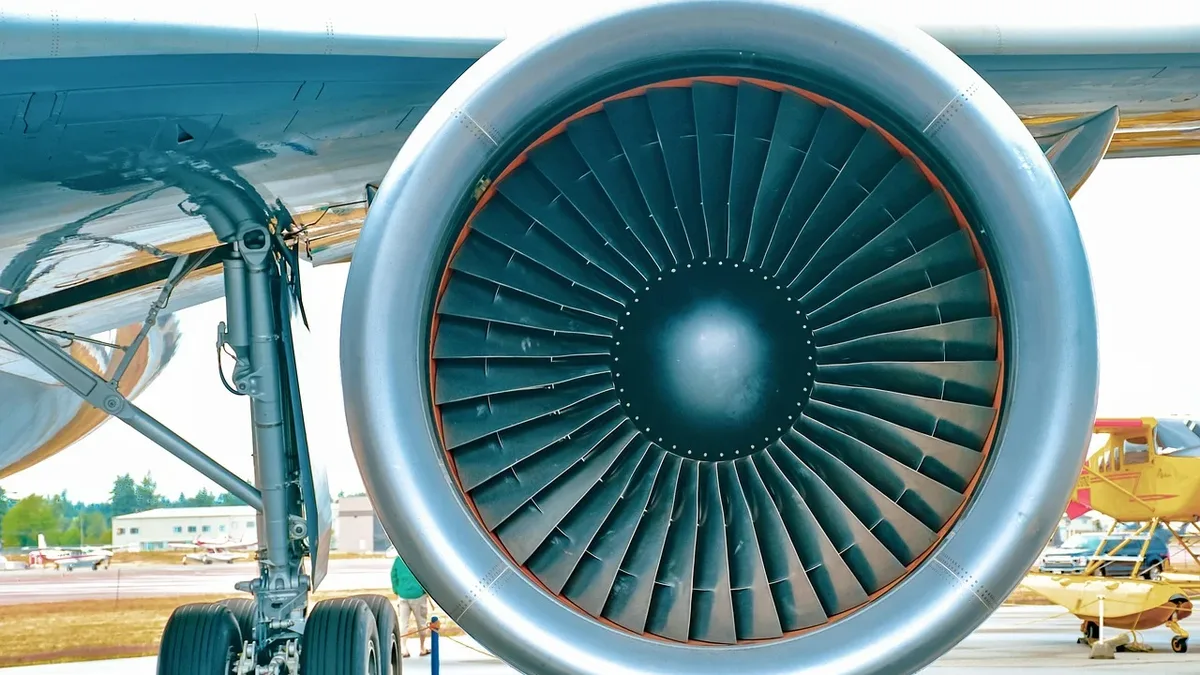
Airlines Face $11 Billion Cost From Unreliable New Engines
IATA reports that fuel-efficient engines from Pratt & Whitney and Rolls-Royce are causing high maintenance costs and aircraft groundings, offsetting

Alaska Airlines to operate 737s on Hawaiian
Alaska Airlines will begin operating Alaska-branded Boeing 737-800 aircraft on daily flights between Honolulu and Kahului from October 3...