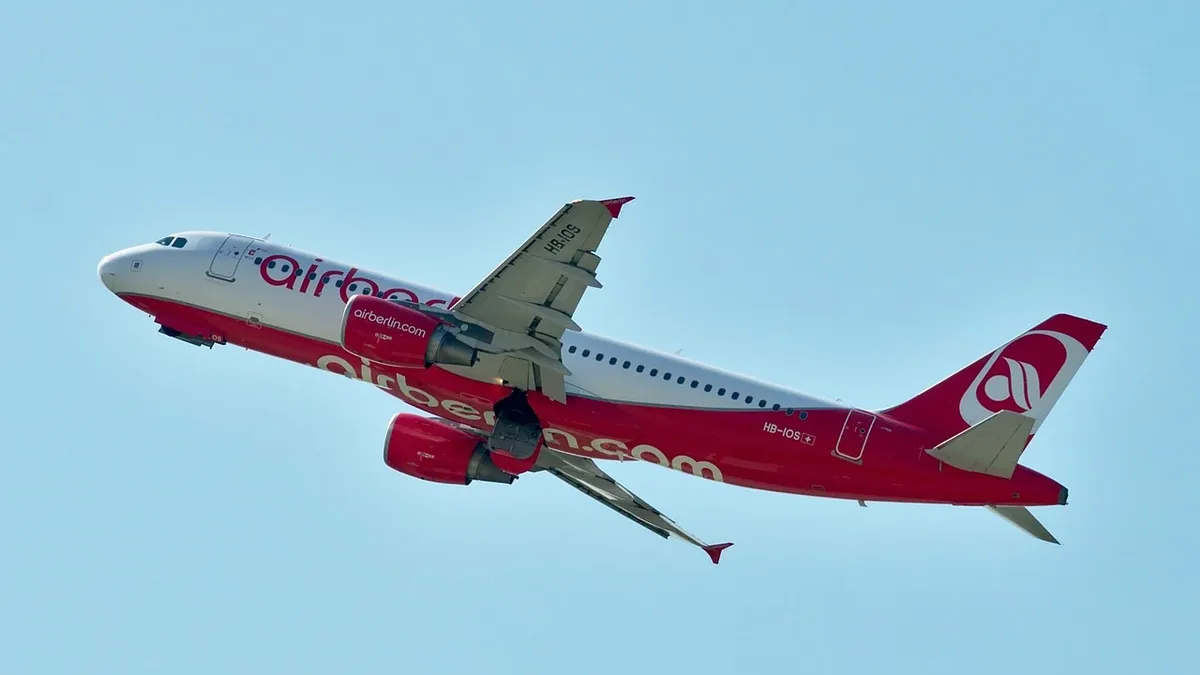
Airbus A321neo corrosion coating flaw affects over 500 jets
Airbus has identified a surface protection deviation on structural stringers in over 500 A321neo aircraft, stating it is a quality issue with a fix
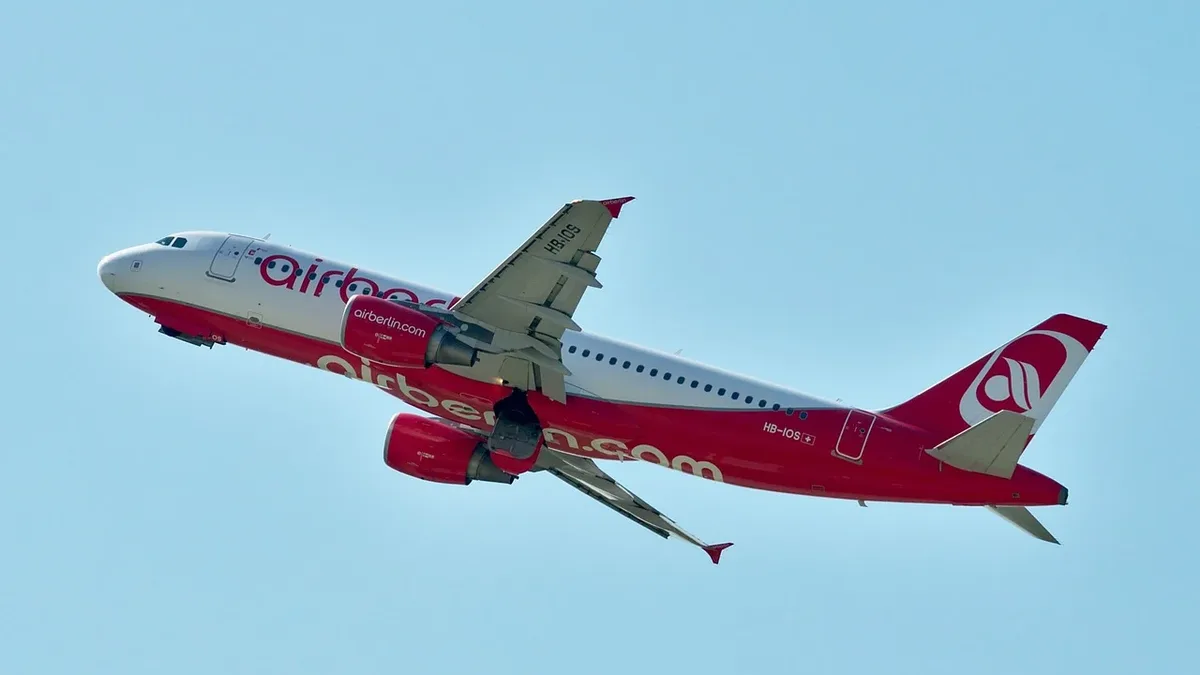
Airbus has identified a surface protection deviation on stringers in the A321neo fuselage, affecting approximately 250 aircraft in service and another 250 in production. The manufacturer states a fix is already available and the impacted jets are safe to continue operating. The issue involves an excessively thin layer of anti-corrosion primer on the structural components.
Stringers run lengthwise along the fuselage to strengthen its outer skin. The primer protects the structure from corrosion over the aircraft's service life. This deviation could reduce the stringers' long-term resistance to corrosion. Airbus confirmed the coating problem but described it as a quality issue, not a safety issue. A source familiar with the matter said, "Airbus first became aware of the issue this summer."
Airbus has traced the deviation to a second-tier supplier named TESI, a subcontractor to Italy's Leonardo. Leonardo is one of two stringer suppliers for the A321neo, alongside Airbus Atlantic. All newly coated stringers now conform to requirements. The rework can be completed without removing the stringers. An Airbus spokesperson said, "The rework doesn't require any disassembly of the stringers."
A321neo customers have been advised that there is no immediate requirement to carry out repairs. Airlines are continuing to take delivery of affected jets. Other affected airframes are at various stages of completion across Airbus' supply chain in Europe, the US and China. The longer-range A321XLR, which first entered service in late 2024, is not among the affected aircraft.
Production context and delivery targets
The A321neo has become the backbone of Airbus' narrowbody program. It has received almost 8,000 orders, representing nearly two-thirds of all A320neo family orders. More than 2,200 have been delivered, leaving a backlog of over 5,600 aircraft still to be built.
Airbus is striving to achieve record deliveries, targeting around 870 commercial aircraft in 2026. The company delivered 475 aircraft between January and August this year, up from 434 for the same period in 2025. It needs around 395 more deliveries in the final four months of this year to reach its 2026 target.
| Metric | Figure |
|---|---|
| A321neo orders | Almost 8,000 |
| A321neo deliveries to date | More than 2,200 |
| Remaining A321neo backlog | Over 5,600 |
| 2026 delivery target | ~870 aircraft |
| Jan-Aug 2026 deliveries | 475 aircraft |
| Jan-Aug 2025 deliveries | 434 aircraft |
| Deliveries needed Sep-Dec 2026 | ~395 aircraft |
Airbus is raising A320neo-family output from around 60 aircraft per month towards 75 by the end of 2027. It recently announced it is reviving its disused former A380 wing plant in Broughton, Wales, to address the A321neo backlog. In August, the A321neo accounted for 26 of the 43 A320neo-family jets delivered.
Recent quality issues and fleet monitoring
This is not the first recent fuselage-related quality problem. In December 2025, thickness deviations in fuselage panels made by Spanish supplier Sofitec Aero led to checks on more than 600 A320-family jets. That issue forced Airbus to slash its 2025 delivery target from around 820 to about 790. It ultimately managed 793 deliveries that year.
Delta Air Lines is among the operators monitoring the new coating situation. The carrier uses A321neo aircraft in its fleet. Delta says it remains in contact with manufacturers and will follow operator recommendations and regulatory directives.
Airbus continues deliveries of affected A321neos while advising customers no immediate repair is required. The company works to increase narrowbody output toward 75 aircraft per month by 2027.