Etihad Targets Strongest Routes With A380 And 777 Fleet
Etihad Airways is deploying its largest widebody aircraft, including the Airbus A380, on specific routes with the strongest passenger demand for summer
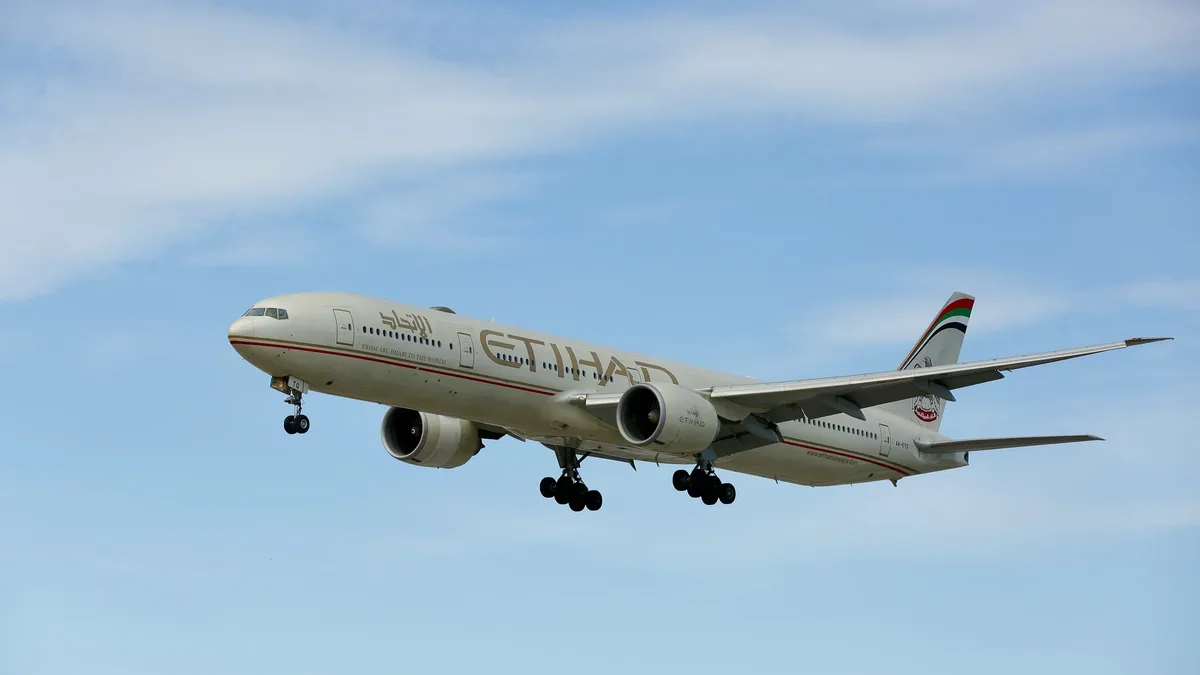
Etihad Airways is concentrating its widebody fleet on routes with the highest demand, a strategy detailed in its summer 2026 schedule. The Abu Dhabi-based carrier is deploying its largest aircraft, including the Airbus A380 and Boeing 777, to key markets like Paris, Tokyo, and Dhaka while using smaller narrowbodies on thinner routes.
Paris Receives Double-Daily A380 Service
Paris Charles de Gaulle Airport is the clearest example of Etihad's demand-led approach. From July 1, 2026, the airline will operate three daily flights from Abu Dhabi, with two flown by the Airbus A380 and the third by a Boeing 787-9. Etihad's Chief Revenue and Commercial Officer, Arik De, called the double-daily A380 operation a "statement of confidence" in the market.
The schedule creates three separate departure windows. One A380 leaves Abu Dhabi at 02:35, another at 14:20, and the 787-9 departs at 08:50. Etihad described the expansion as a way to significantly increase premium travel capacity between Abu Dhabi and the French capital. The A380 is the airline's flagship, featuring four cabins: The Residence, First Apartments, Business Class, and Economy.
A380 Returns To Service For Tokyo Route
Etihad is also deploying the A380 on its daily service to Tokyo Narita Airport, with the first flight scheduled for June 18, 2026. The airline said this move responds to "strong demand for premium travel" between the two cities. This deployment involved returning the carrier's eighth A380 to active service.
The aircraft configured for Tokyo offers a substantial increase in capacity. Its layout provides a specific mix of seats across its cabins.
| Cabin | Number of Seats |
|---|---|
| The Residence | 1 |
| First Class | 9 |
| Business Class | 70 |
| Economy Class | 415 |
Boeing 777 Secures Year-Round Dhaka Flights
In contrast to the premium-heavy markets, Etihad applied a different widebody strategy for Dhaka. The airline launched the Abu Dhabi-Dhaka route with a Boeing 777 on June 26, 2026. The inaugural flight sold out immediately, prompting Etihad to confirm year-round operations.
The four-times-weekly service uses a 777 configured with 28 business class seats and 374 economy seats. Etihad highlighted the large Bangladeshi community working in the United Arab Emirates and significant belly-hold cargo traffic as key drivers for the route. This indicates the route's economics extend beyond passenger tickets to include freight.
Network Adjustments Across Multiple Markets
Beyond these major widebody shifts, Etihad's summer 2026 schedule includes other capacity increases across its network. The airline pointed to strong demand across community, leisure, and business markets. These adjustments involve adding frequencies with smaller aircraft or extending seasonal services.
For instance, Brussels will increase from seven to eleven weekly flights. Kraków will rise from three to four weekly flights. Seasonal services to Zanzibar and Palma de Mallorca were also extended, with the latter operated by an Airbus A321LR.
The strategy gives Etihad's network planners multiple levers to pull. They can add a frequency, deploy a larger aircraft, extend a seasonal schedule, or combine these actions. This flexibility aims for better utilization of expensive long-haul aircraft by matching them to markets that can support their specific capacity and cabin mix.
The real test will be whether today's strongest markets continue to perform. Etihad's approach of aggressively shifting capacity introduces the risk of misjudging whether demand is structural or merely seasonal.