Boeing 737 Max software glitch VNAV
The FAA is investigating a software glitch in the Boeing 737 Max's flight management computer that could incorrectly disengage the vertical navigation
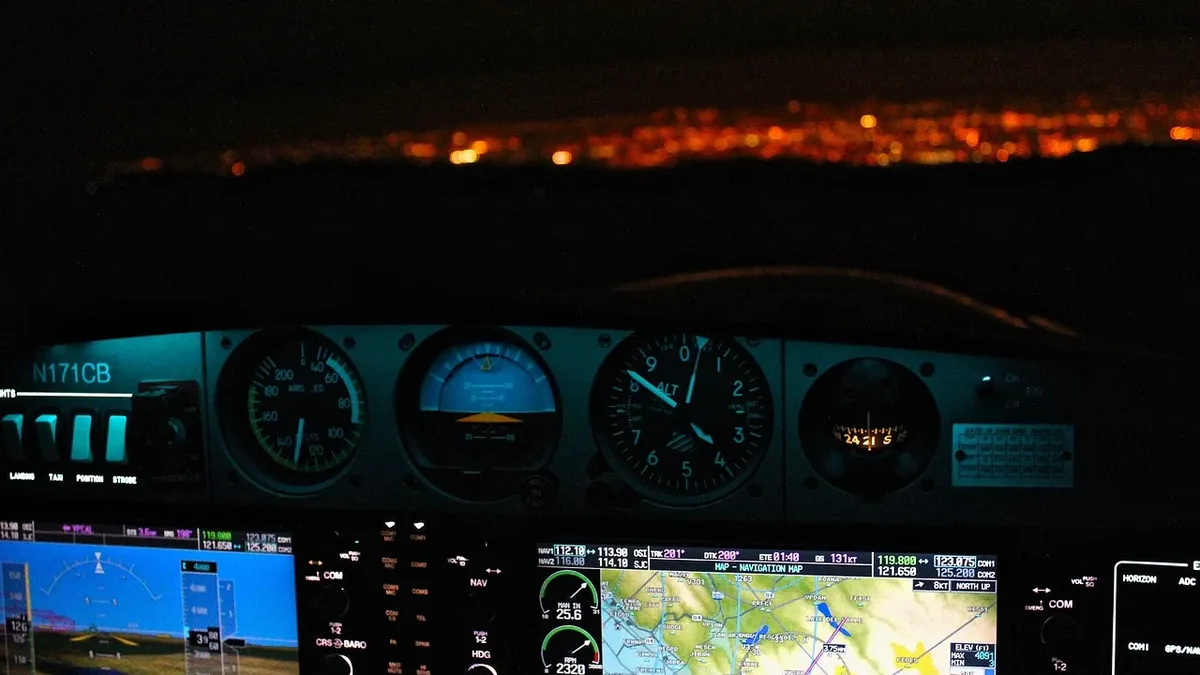
A newly discovered software glitch in the Boeing 737 Max’s flight management computer could cause incorrect disengagement of vertical navigation during certain landing scenarios. The Federal Aviation Administration is investigating the problem, which stems from a recent software update to the flight management computer on certain 737 Max jets.
Boeing flagged the issue, informing operators that the flight guidance system may incorrectly transition from VNAV mode to a simpler level of automation for pitch control, such as level-change or vertical speed. This could occur during specific landing scenarios, including missed approaches. The company learned of the glitch from an airline in November 2024 and notified all 737 MAX operators in late August, stating planes were still safe to fly. The software was manufactured by GE Aerospace, which is working closely with Boeing and the FAA.
Airlines resist deliveries, seek older software
Southwest Airlines and United Airlines have requested earlier software versions instead of new MAX aircraft with the affected software. At least two airlines have asked Boeing not to install the problematic software on future plane deliveries. Some airlines are reportedly refusing deliveries of aircraft equipped with the updated software. Southwest and United would accept deliveries of aircraft with the earlier version of the software.
Alaska Airlines is aware of the software issue and does not operate any MAX planes with the affected version. Alaska, American, Southwest, and United Airlines are all currently flying 737 MAX aircraft, with none using the flawed software. Cirium reports 2,422 Boeing 737 MAX 8 and 9 models are currently flying.
Boeing and FAA respond with reviews and mitigation efforts
Boeing is working on a permanent fix for the glitch with FAA oversight. The company convened a formal safety review board in September and has shared its findings with the FAA. Boeing told operators it shared information reinforcing existing pilot procedures for safely handling such cases, noting pilots are trained to safely land an airplane without automated vertical navigation.
The FAA is convening a Corrective Action Review Board to assess the safety implications. The agency said it will take immediate action if it identifies a safety concern. Boeing issued a Fleet Notice to operators in August, expecting to issue further guidelines by November and develop a permanent software fix by early 2028. The company said it is trying to accelerate both timelines and is working directly with airlines to formalize a procedure that will allow pilots to re-enable automated VNAV should the situation occur.
Impact on certification and delivery schedules
The issue primarily affects newer Boeing 737 Max 7 and Max 10 models. The refusal of deliveries could impact certification and delivery schedules for airlines. The navigation issue occurs as Boeing prepares to begin deliveries of the recently certified 737-7 and secure FAA approval for the stretched 737-10.
The FAA certified the Max 7 in early August with the newest software installed. The FAA review could further delay certification of the 737 Max 10. The issue could also delay deliveries of the recently certified 737 Max 7. Boeing Chief Executive Kelly Ortberg stated federal safety regulators are expected to approve the MAX 10 soon. Alaska Airlines said it expects the MAX 10 to receive regulatory approval soon.
Southwest Airlines has been waiting years for the MAX 7 and plans to start flying them next year. The FAA grounded the 737 MAX planes for nearly two years after two fatal crashes, which led to comprehensive reviews delaying FAA approvals for newer versions. Boeing is working to accelerate its fix timeline, originally targeting early 2028, now aiming to deliver a permanent software update sooner through direct collaboration with airlines and FAA oversight.