Boeing 747-8 Crew Rest Areas Detailed
The Boeing 747-8 features dedicated rest compartments for pilots and cabin crew, with design and comfort compared to the Airbus A380.
Boeing's 747-8 includes specific sleeping areas for pilots and cabin crew to manage fatigue on extended flights. These compartments are a regulatory necessity for crew alertness and safety during operations that can last over ten hours.
Rest Compartments on the 747-8
Pilot rest on the 747-8 is located directly behind the flight deck, positioned above the forward passenger seats. This area typically contains two levels of bunks. A larger, separate cabin crew rest area is situated at the rear of the aircraft, above the main deck's last rows, and is accessed via steep steps. This area contains several bunks, allowing extra crew on long flights to sleep in shifts.
The layout varies by airline. On Lufthansa's aircraft, the cabin crew area includes a small front room with lockers and a telephone, leading to a main section with ten beds. A cabin crew member featured in a video by GreatFlyer stated the 747-8's crew rest is "a little bit more comfortable" than on the older 747-400 and described it as "super comfortable," despite the cramped quarters. Bunks are furnished with bedclothes and privacy curtains.
Comparison with the Airbus A380
The Airbus A380 also houses its pilot rest compartment behind the flight deck, but above the avionics bay and nose gear. Its design offers an upgrade, with two properly separated bunks, each having a door and an accompanying chair. The most common cabin crew rest area on the A380 is located below the main deck, requiring crew to descend steps.
| Feature | Boeing 747-8 | Airbus A380 (Qantas Example) |
|---|---|---|
| Pilot Rest Location | Behind flight deck, above forward seats | Behind flight deck, above avionics bay |
| Pilot Bunk Setup | Two-level bunks | Two separated bunks with doors and chairs |
| Cabin Crew Rest Location | Rear, above main deck | Under main deck |
| Typical Cabin Crew Bunk Count | Varies (e.g., 10 on Lufthansa) | 12 |
| Notable Amenities | Bedclothes, curtain, telephone | Entertainment screen (some airlines), toilet, wash basin, air conditioning |
On long A380 flights, crews can receive rest breaks of up to four hours. According to Executive Traveller, airlines like Emirates provide entertainment screens in the rest area, which also includes a toilet and wash basin.
Regulatory Requirements for Rest Areas
The Federal Aviation Administration mandates proper rest areas for cabin crew well-being and job performance. It defines three classes of rest space. A Class 1 area is a dedicated sleeping space with bunks, accessed by a hidden door, as used on the 747 and A380. A Class 2 area is a lie-flat seat separated by a curtain from passengers. A Class 3 area is a curtained-off reclining seat with foot support.
Flight duty periods exceeding 14 hours require significant rest. For example, Cathay Pacific policy mandates at least three hours off-duty for crew on flights longer than 14 hours. Widebody cabin crew typically expect between 90 minutes and three hours of rest on average.
Crew Rest Scheduling and Hierarchy
Rest periods on a 747-8 are managed systematically. The Senior Cabin Crew Member divides the team into two shifts following the main meal service. The first group rests, then swaps with the second group, ensuring enough crew are always on duty. Crew often prefer the second shift, finding sleep easier after prolonged work.
A hierarchy governs bunk assignment. The most senior crew members occupy bunks nearest the door and intercom, with the Senior Cabin Crew Member taking the spot closest to the door for emergency response. Patricia Green, a flight attendant and Simple Flying journalist, shared that on British Airways 747-400 routes, rest times ranged from about 45 minutes on a London-Dubai flight to three to 3.5 hours on a Singapore service.
The Absence of Dedicated Rest Areas
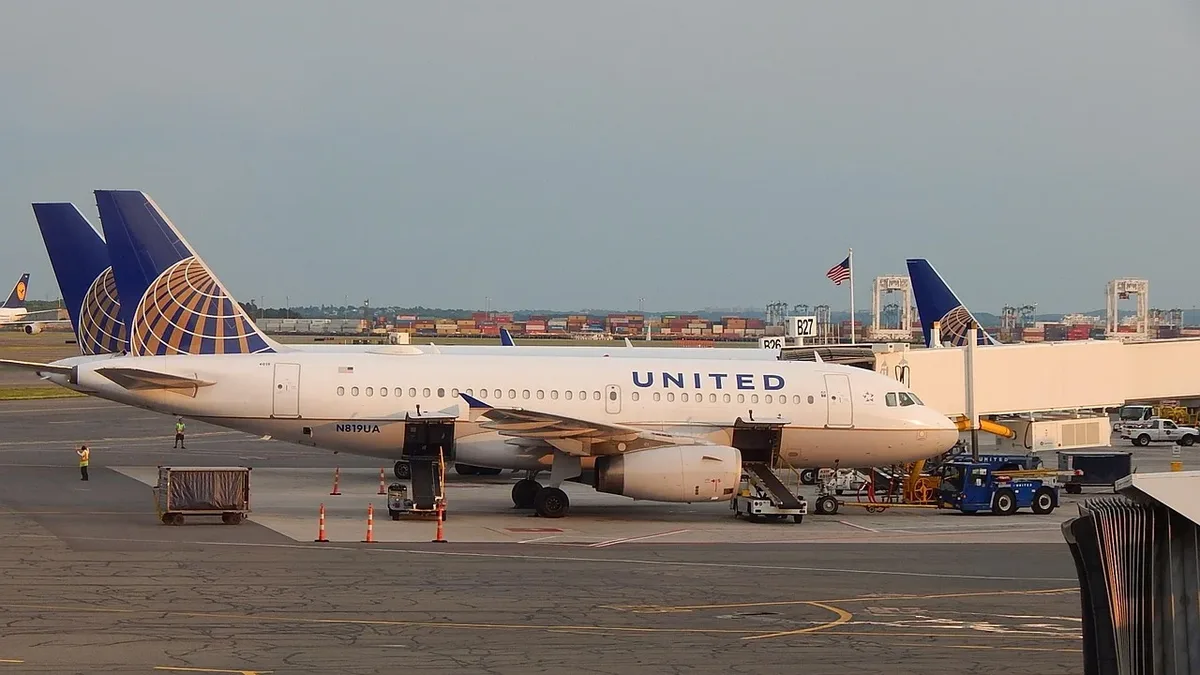
Not all aircraft feature dedicated rest compartments. Most narrowbody aircraft lack them due to shorter routes and economic pressures to maximize revenue seats. On some widebodies, like certain Boeing 767s operated by United Airlines, carriers improvise. United modifies four rear economy seats with extra legroom, leg rests, oversized trays, and privacy curtains, creating what likely qualifies as an FAA Class 3 rest area.