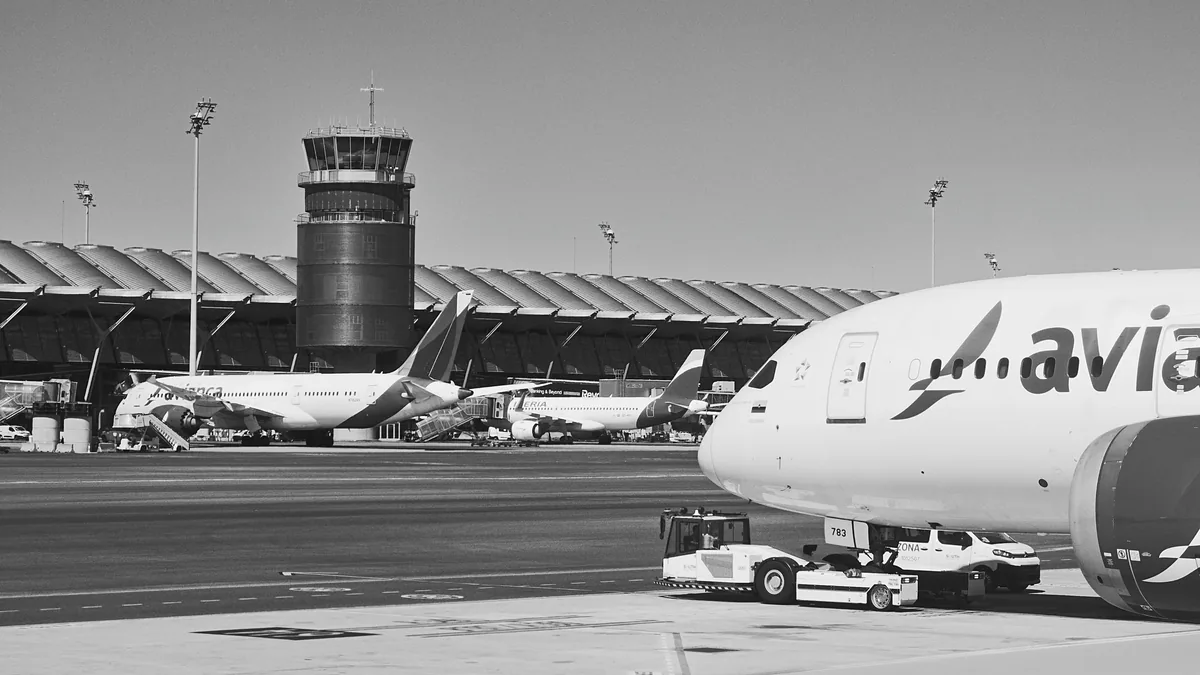
Airport And Airway Trust Fund
| Funding mechanism | Excise taxes on aviation-related goods and services |
|---|---|
| Original use | Finance capital investments and operations for U.S. aviation infrastructure |
| First created | 1970 |
| Administered by | Federal Aviation Administration |
| Primary expenditures | Air traffic control, airport development, facilities and equipment |
| Revenue sources include | Passenger ticket taxes, cargo waybill taxes, aviation fuel taxes |
| Legal basis | Established by the Airport and Airway Revenue Act of 1970 |
Origin and history
The Airport and Airway Trust Fund (AATF) originates in the United States. It was established by congressional legislation in the early 1970s. Its creation was a direct response to a series of high-profile aviation accidents and growing concerns over the capacity and safety of the national airspace system. The fund was designed to provide a dedicated, reliable revenue stream separate from the general federal budget. This followed a period where aviation infrastructure funding was inconsistent and subject to annual political appropriation battles. The principle was that users of the aviation system should pay for its maintenance and expansion.
What it is for
The Airport and Airway Trust Fund exists to finance the development and operation of the United States' civil aviation infrastructure. Its primary purpose is to pay for the Federal Aviation Administration's (FAA) activities related to air traffic control, safety oversight, and regulation. The fund also allocates money for airport improvement grants, which are distributed to airports across the country for runway repairs, terminal upgrades, and noise mitigation projects. It finances the modernization of the National Airspace System (NAS), including technologies like the Next Generation Air Transportation System (NextGen). Furthermore, it supports FAA capital investments in facilities and equipment essential for system safety and efficiency. It is explicitly not for funding military aviation or other non-civil aviation government functions.
Overview
The Airport and Airway Trust Fund is a dedicated account within the U.S. Treasury, functioning as a user-supported financing mechanism. Revenues are collected through excise taxes levied on aviation users, including taxes on passenger tickets, cargo waybills, and aviation fuels. Congress authorizes spending from the trust fund through multi-year reauthorization bills, such as the FAA Reauthorization Act, which dictate funding levels for various aviation programs. The FAA administers the distribution of these funds for their designated purposes, with oversight from the Department of Transportation and congressional committees. The trust fund operates on a "pay-as-you-go" basis, meaning expenditures are intended to be covered by current revenues, though occasional transfers from the general fund have occurred. Its financial health and revenue projections are closely monitored as they directly impact the FAA's ability to execute long-term modernization projects.
What to know
The trust fund's revenue sources are fixed by statute and include a percentage tax on domestic passenger tickets, a flat fee per segment for domestic flights, an international arrival and departure tax, and taxes on jet fuel and general aviation gasoline. It is important to understand that while the trust fund collects substantial revenue, congressional appropriation is still required before the money can be spent, leading to periodic political disputes that can delay funding. The distinction between the trust fund's "balance" and its "authorized spending" is critical; a large unspent balance does not automatically mean more money is available for projects without congressional action. Revenues can be volatile, as they are heavily tied to passenger ticket sales and are therefore sensitive to economic downturns and events like pandemics. The fund does not cover the entire FAA budget; a portion of the agency's operations, particularly some personnel costs, is funded through annual general treasury appropriations. Major airport development projects often combine trust fund grants with local funding and passenger facility charges.
Common questions
A common question is whether the taxes passengers pay on airline tickets go directly to the trust fund, and the answer is yes, those specific excise taxes are the primary revenue source. People often ask why flight delays and congestion persist if the trust fund collects billions, which relates to the lengthy and complex process of modernizing aging infrastructure and deploying new technologies across a vast system. Many wonder if private aircraft and general aviation contribute, and they do through taxes on avgas and jet fuel, though the proportion and structure of this contribution are frequent topics of policy debate. A frequent inquiry concerns what happens when the trust fund faces a shortfall, which historically has led to temporary funding extensions, partial FAA shutdowns, or transfers from the general fund. Individuals sometimes ask if the fund pays for TSA or airport security, and it does not; those are funded separately. Another question is how airports receive grants, which is through a formula and discretionary process administered by the FAA based on congressional directives.
Pros and cons
A primary pro of the trust fund system is that it creates a dedicated, user-fee based revenue stream, theoretically insulating critical aviation infrastructure funding from the full unpredictability of the annual federal budget process. It aligns the cost of the system with those who benefit from it most directly. However, a significant con is that the reliance on congressional appropriations to actually spend the money negates much of this insulation, leading to stopgap funding measures and uncertainty that hamper long-term planning for the FAA and airports. The tax structure is often criticized as not being optimally aligned with system use or modern cost drivers, such as the dominance of fuel-efficient aircraft. A common mistake in public perception is believing that all aviation taxes are efficiently funneled into immediate system improvements, when in reality the legislative process can create lags and earmarks. Entities that rely on consistent capital planning, like airport authorities, often regret the instability that arises from political deadlock over trust fund reauthorization.
Who it suits
This financing system suits a large, mature national aviation system that requires steady, substantial capital investment and operational funding beyond what annual discretionary budgets can reliably provide. It is designed for a context where there is political consensus on the principle of user fees supporting a public infrastructure network. The trust fund model suits stakeholders, including airlines, airports, and passenger advocates, who prefer a dedicated funding mechanism over competing for general treasury funds against other national priorities. It is less suited to political environments characterized by chronic legislative gridlock, as the necessary periodic reauthorizations can become contentious. The system inherently suits a mixed-economy model where the government retains responsibility for air traffic control and safety oversight while leveraging both public funds and private airport investment.
Latest Airport And Airway Trust Fund news
Latest reporting
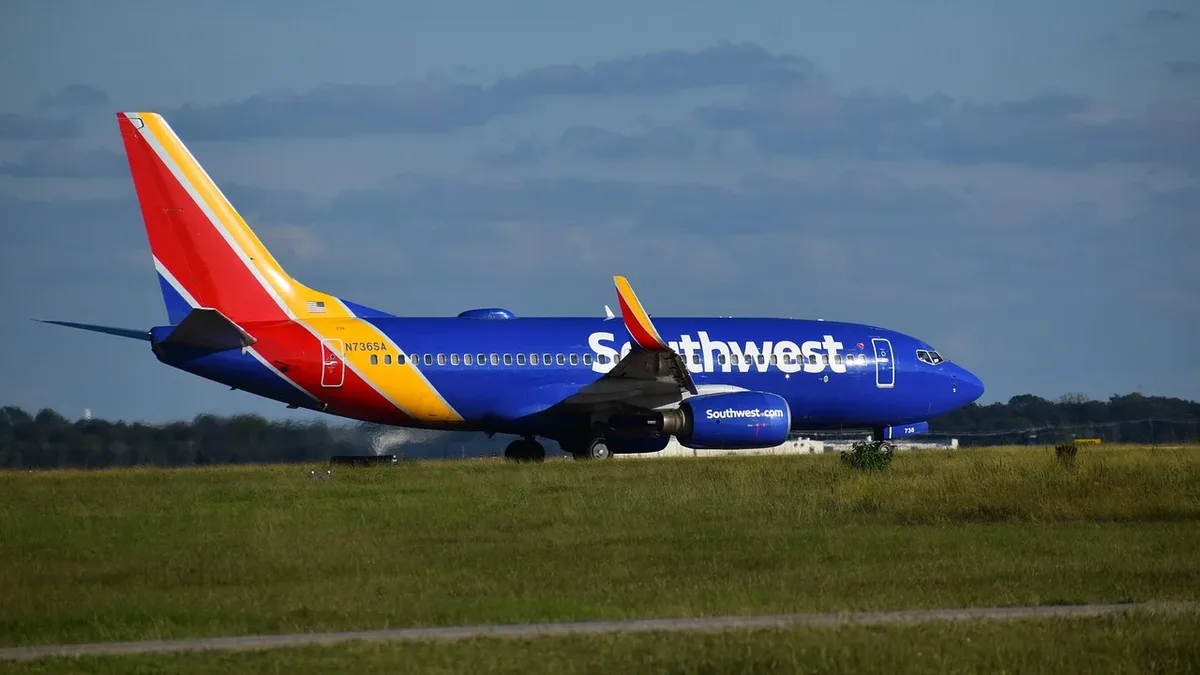
Southwest Airlines flight returns to Orlando
Southwest Airlines Flight 2821 made an emergency return to Orlando International Airport on September 29 after a bird strike shortly after departure.
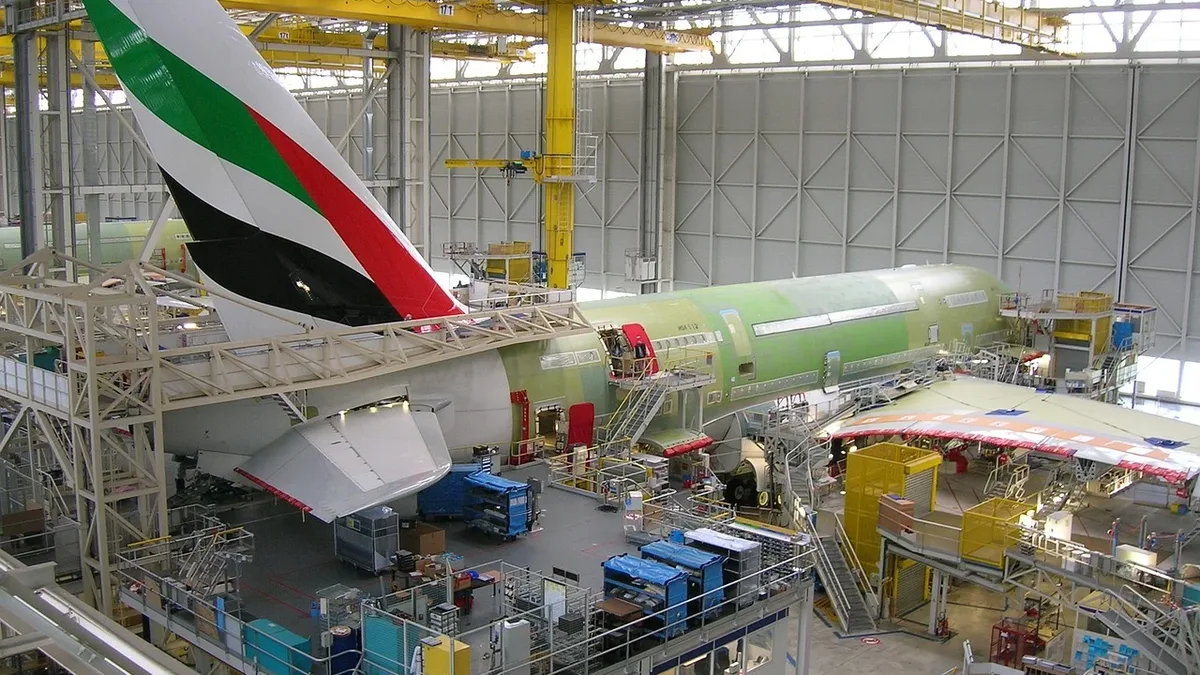
Vertical Aerospace Opens Valo Assembly Center at Cotswold
Vertical Aerospace has opened a new 60,000-square-foot assembly center at Cotswold Airport to build preproduction certification Valo eVTOL aircraft...
Houthi attack disrupts Riyadh airport
Flights at Riyadh's King Khalid International Airport were disrupted after a Houthi attack on a fuel depot. The incident highlights broader aviation...
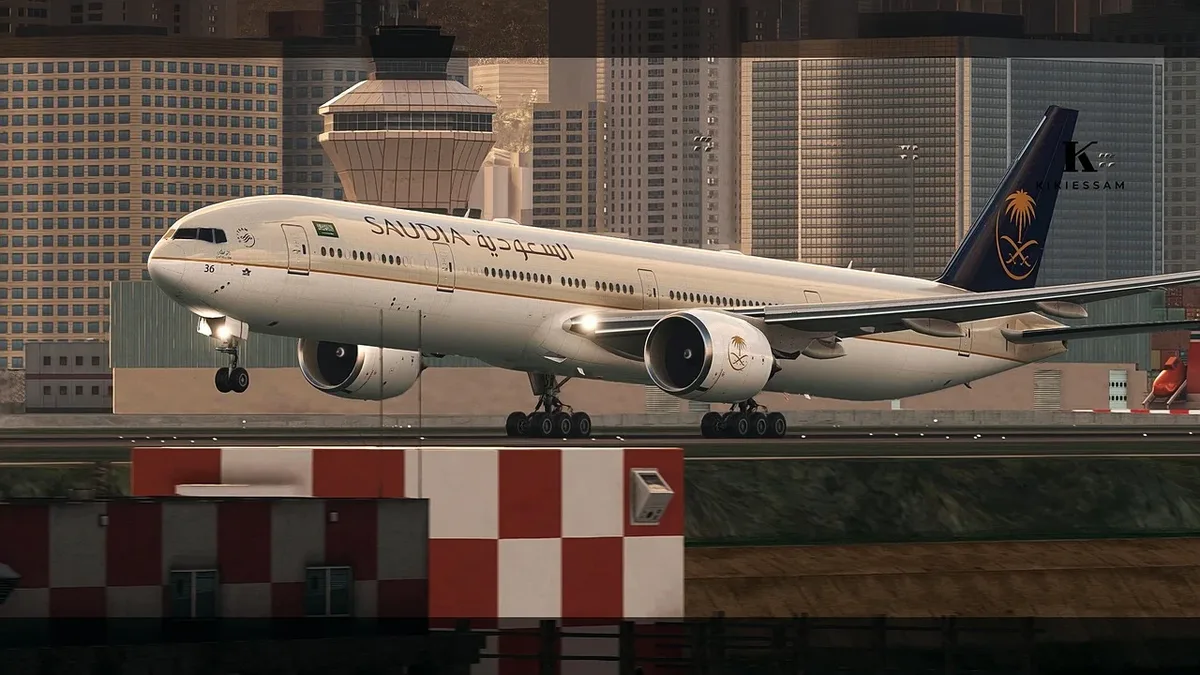
Fiji Airways to launch Western Sydney flights in 2027
Fiji Airways will become the first international carrier to serve Western Sydney International Airport, starting a three-times-weekly service from...

Trans Air Cargo DC-8 freighter crashes in Kinshasa
A rare DC-8-73CF freighter overran the runway at Kinshasa's N'Djili International Airport on September 8, 2026, collapsing its nose gear.
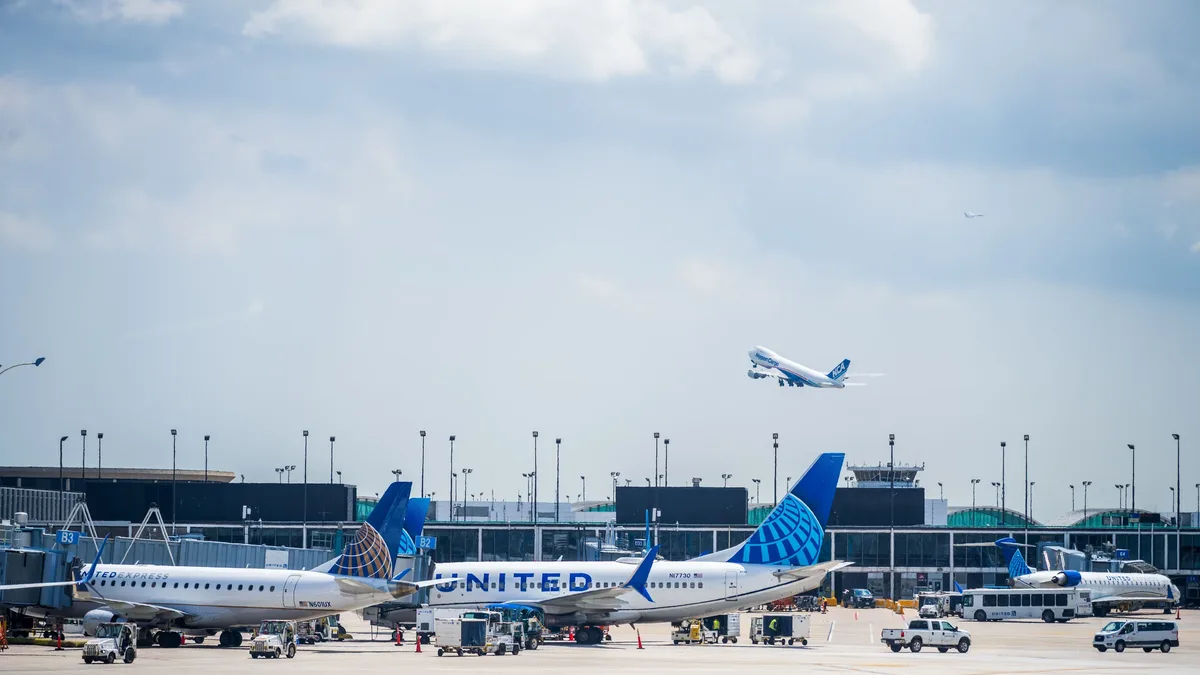
NTSB Begins Investigation into Fatal Amazon Prime Air Crash
The NTSB has launched its investigation into the fatal runway overrun of an Amazon Prime Air Boeing 767 cargo jet at Miami International Airport...