Lufthansa 747-8 Narrowly Avoids Tail Strike at LAX
A Lufthansa Boeing 747-8 aborted a landing at Los Angeles, nearly striking its tail, while a U.S. firm demonstrated coordinated control of jet-powered attack drones.
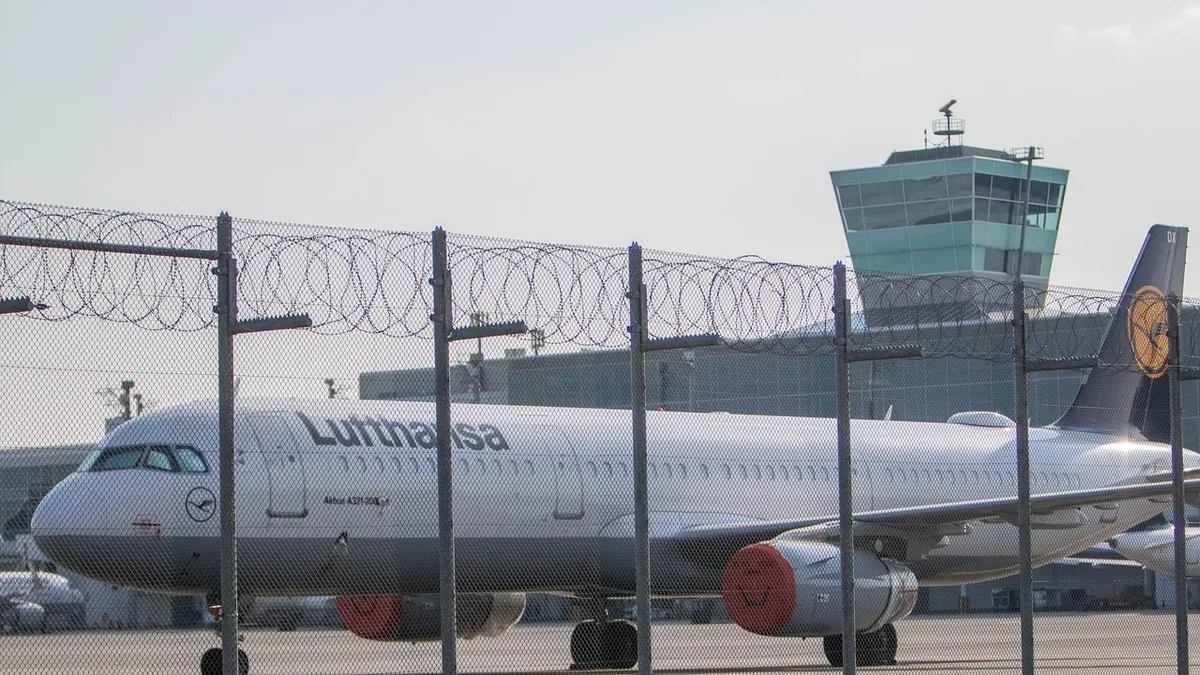
Two separate events highlight different facets of the aviation industry this week. A Lufthansa widebody aircraft had a dramatic landing incident at a major international airport. Separately, a defense contractor has advanced the operational capabilities of unmanned aerial systems.
Lufthansa Landing Incident
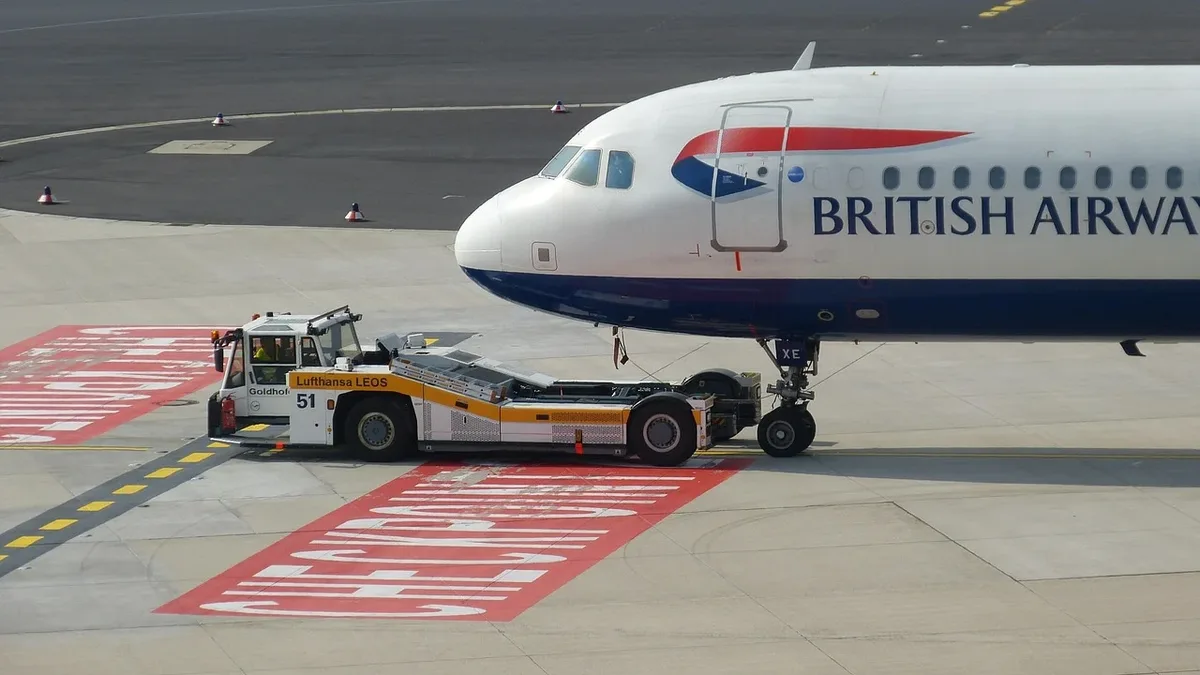
On October 10, 2026, a Lufthansa Boeing 747-8 operating flight LH456 from Frankfurt to Los Angeles International Airport (LAX) aborted its landing and performed a go-around. The aircraft, registration D-ABYK, came within inches of a tail strike on runway 24R during the maneuver, as captured by a planespotting livestream. The 13-year-old jet landed safely on its second attempt at 1:33 PM local time, fifteen minutes after its initial touchdown.
A company spokesperson stated this was a standard, well-rehearsed procedure and emphasized that safety remains a top priority. The aircraft sustained no damage from the near miss. Its return flight to Frankfurt, LH457, departed nearly an hour late but achieved a timely arrival the following day through a faster transatlantic crossing. The incident occurred on LAX's shortest runway, which measures 8,926 feet. This event follows a separate rough landing by another Lufthansa 747-8 at the same airport in April 2024, which also required a go-around.
Attack Drone Coordination Test
Cummings Aerospace demonstrated the simultaneous operation of two jet-powered Hellhound S3 attack drones controlled by a single handheld system. The test occurred on August 25, 2026, at the Pendleton UAS Range in Oregon. The drones were launched sequentially from a new vehicle-mounted launcher and flew autonomous, pre-programmed routes while being monitored by one operator.
Company CEO Sheila Cummings said the approach lets a single soldier simultaneously put multiple drones on multiple targets, allowing a small unit to produce effects previously requiring an entire battery. The demonstration marked the first vehicle-mounted launch, the first sequential launch, and the first single-operator control of multiple S3 drones for the system. The Hellhound S3 is a 3D-printed turbojet drone weighing approximately 6 kilograms. The company claims it can reach speeds around 618 kilometers per hour and has a potential strike range exceeding 60 kilometers.
| Feature | Specification |
|---|---|
| Weight | 6 kg (13 lbs) |
| Top Speed | ~618 km/h (384 mph) |
| Claimed Range | >60 km (37 miles) |
| Payload Types | Armor-piercing, blast-fragmentation, electronic warfare, decoy |
Cummings Aerospace plans further tests involving salvo launches and integration with unmanned vehicles. The company has expressed interest in offering the Hellhound for the U.S. Army's Low Altitude Stalking and Strike Ordnance (LASSO) program.