US intelligence warns on Saudi F-35
A U.S. Intelligence assessment warns that a proposed $24 billion sale of F-35 fighters to Saudi Arabia could expose the jet's sensitive technology to
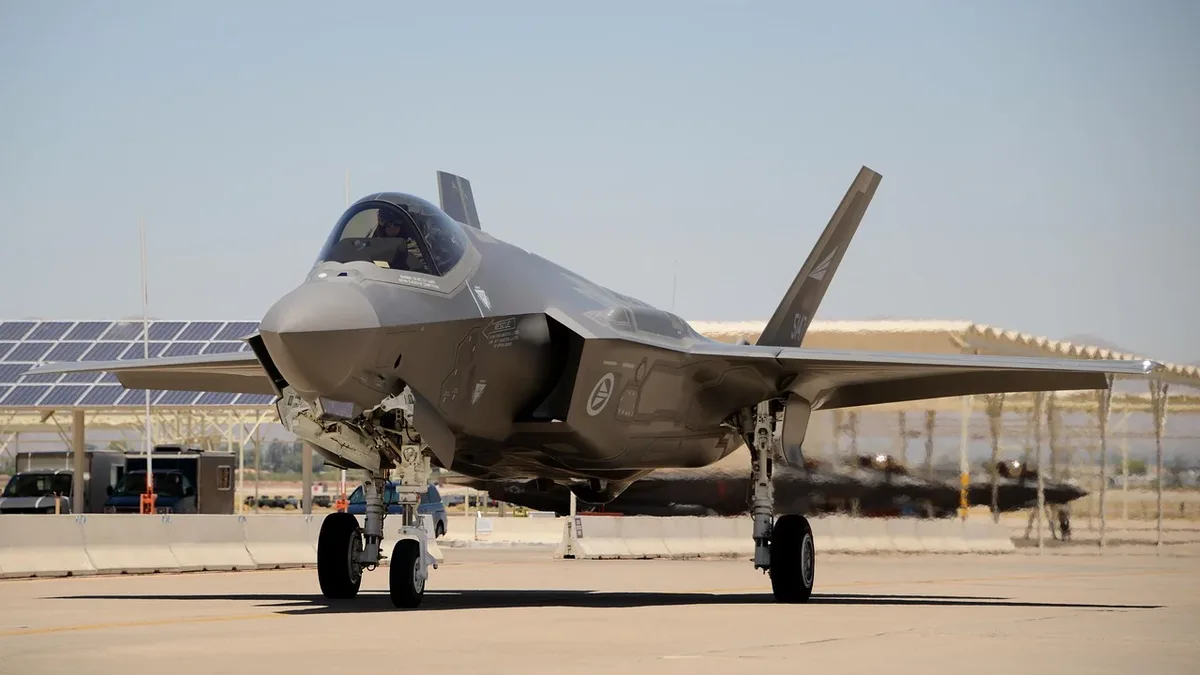
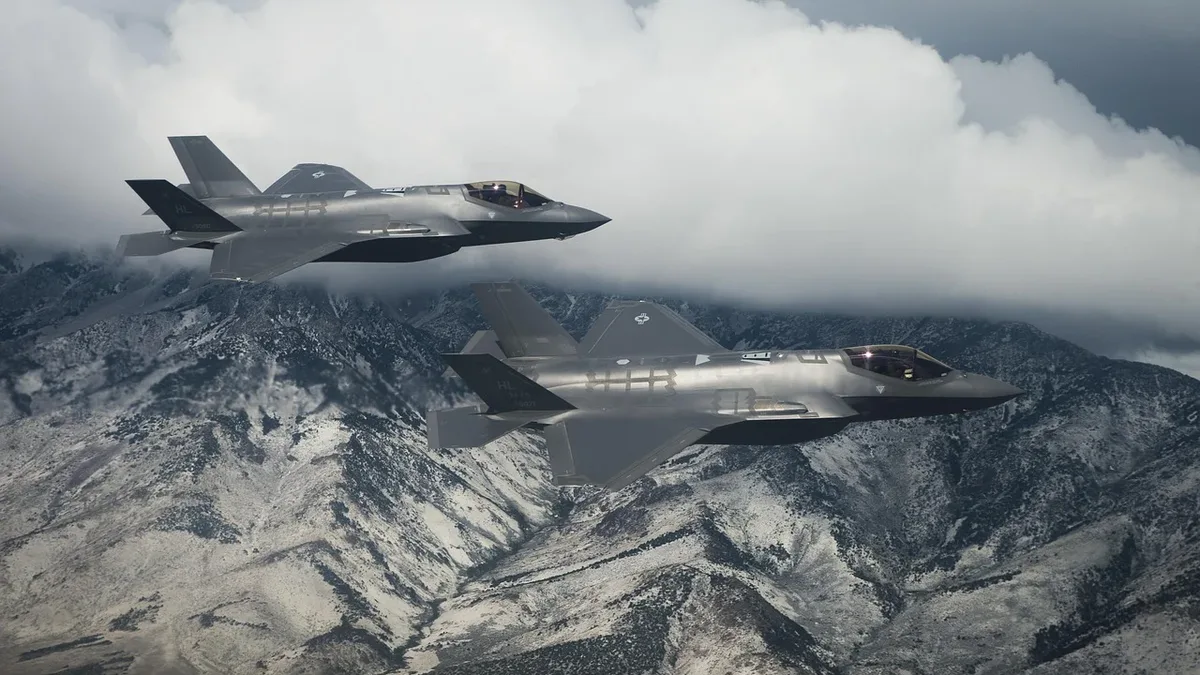
U.S. Intelligence officials have warned that a proposed $24 billion sale of F-35 fighters to Saudi Arabia could give China access to sensitive American military technology. The New York Times reported the concerns on September 16, 2026, citing unnamed officials.
Internal U.S. Assessments raise alarms about Chinese military access to Saudi bases and the kingdom's widespread use of Chinese telecommunications equipment. The State Department submitted a proposed package for 48 fighters and a spare engine to congressional committees for informal review in June 2026.
Specific Security Concerns
A detailed Defense Intelligence Agency report issued several months ago questions whether U.S. And Saudi personnel could keep the aircraft's technology secure. Pentagon officials have particular concerns about protecting the F-35's advanced radar and surveillance systems. The assessment states that access to locations housing F-35 technology should be restricted solely to Saudi and American officers and contractors.
The report also questions whether Saudi Arabia would agree to broader limits on contact with Chinese military and intelligence personnel. Another major concern involves equipment from Chinese companies Huawei and ZTE. The intelligence assessment asks whether Saudi officials would remove that equipment from telecommunications networks, router infrastructure, and defense installations.
Background of the Proposed Sale
President Donald Trump announced his support for the sale in November 2025, ahead of a White House visit by Saudi Crown Prince Mohammed bin Salman. The DIA had raised more general concerns about a potential Saudi F-35 sale in an assessment in the fall of 2025. The newer report contains more specific technical concerns and has circulated among administration agencies and congressional offices.
Some lawmakers and aides have pressed the administration for answers. The proposal also faces questions about preserving Israel's military advantage in the region, with Israeli officials having expressed their own concerns about the sale.
Regional Context and Precedent
Saudi Arabia has long purchased American military aircraft while simultaneously developing defense ties with Beijing. China supplies the kingdom with ballistic missiles and has helped it develop missile production facilities. This dual relationship sits at the heart of the intelligence warning.
U.S. Intelligence agencies raised similar concerns about the United Arab Emirates after Trump agreed to sell it F-35s in 2020. That proposed purchase subsequently stalled amid U.S. Concerns about the UAE's ties with China. Aviation safety oversight and the security of advanced military technology are core components of national and global security frameworks, which operate in a continuous, all-weather operational environment.
The State Department, Pentagon, and Saudi Embassy declined to comment to The New York Times. The White House and Chinese Embassy did not respond to its requests for comment.