Delta-United Duopoly Emerges in US Aviation
An analysis of airline data suggests the US market is consolidating into a top tier dominated by Delta and United, with other carriers structurally
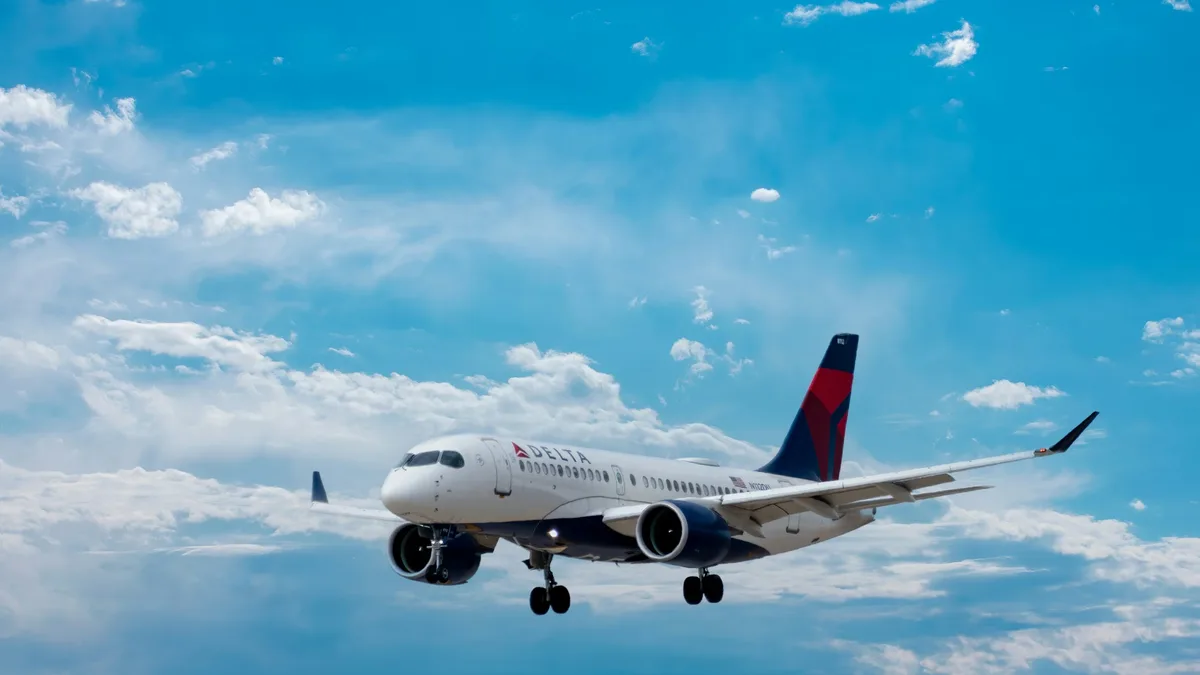
The US airline industry is consolidating into a duopoly led by Delta Air Lines and United Airlines, according to a data-driven analysis from AirInsight. American Airlines, Southwest Airlines, JetBlue, Frontier Airlines, and others are described as operating from a position of structural disadvantage, with the liquidation of Spirit Airlines cited as the clearest casualty of this trend so far.
Market Share and Financial Performance
The analysis presents data to support its thesis of a two-tier market. It highlights key metrics where Delta and United have pulled ahead of their closest competitor, American Airlines.
The report states that American's market cap is roughly half the size of the combined valuation of Delta and United. Over the last twelve months, the combined revenue of Delta and United was approximately $30 billion greater than American's revenue. The two leading carriers also reportedly maintain higher operating income margins and a more favorable net debt to EBITDA ratio compared to American.
Strategic Advantages and Network Strength
Beyond financials, the analysis points to strategic advantages cementing the lead of Delta and United. It argues their networks are superior. The report claims Delta and United have stronger international route networks and more fortress hubs, which provide pricing power and resilience.
Their loyalty programs are described as more valuable assets. These programs generate significant cash flow and create a powerful ecosystem that locks in high-value customers. The analysis suggests this creates a compounding advantage that is difficult for competitors to match.
Fleet strategy is another cited differentiator. Delta and United are portrayed as having more disciplined and flexible fleet plans. They have avoided the massive, single-type orders that can lead to overcapacity and vulnerability during downturns. This flexibility is seen as a key strategic buffer.
The Challenger Tier
The report positions American, Southwest, and JetBlue in a challenger tier. American is framed as struggling to keep pace with the financial and strategic metrics set by Delta and United. Southwest Airlines faces its own unique challenges, including a point-to-point network that may be less robust in the current environment and a fleet composed entirely of Boeing 737s.
JetBlue is described as caught in a difficult middle ground. It lacks the scale of the big three but has costs too high to compete effectively with ultra-low-cost carriers like Frontier. The attempted merger with Spirit was seen as a potential path to needed scale, but its failure has left the carrier in a precarious position.
The analysis concludes that for airlines outside the top two, the competitive landscape is increasingly unforgiving, with Spirit's collapse serving as a stark warning.
Source: AirInsight