Douglas DC-8 1960 Re-engining Test
A 1960 test flight of a Douglas DC-8 prototype fitted with new Pratt & Whitney JT3D turbofans pioneered airliner re-engining, improving performance and
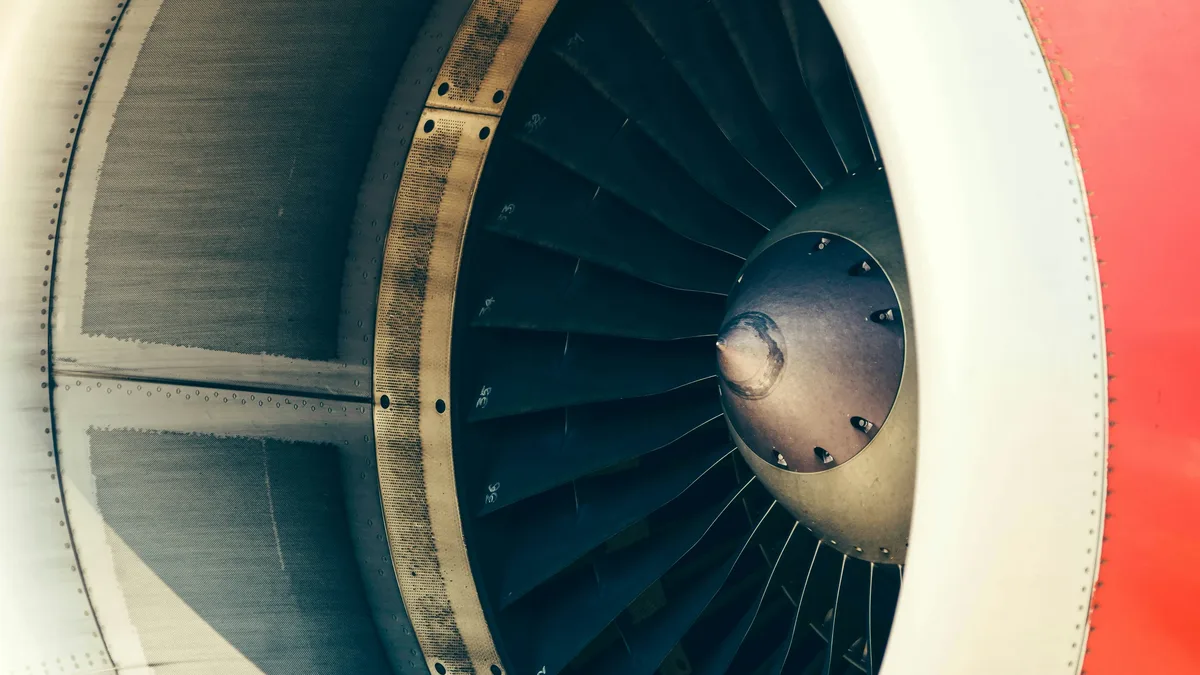
Douglas Aircraft announced a major change for its DC-8 jetliner in February 1960. The planemaker would re-engine the aircraft with Pratt & Whitney JT3D turbofans to address performance shortcomings versus the Boeing 707.
Douglas retrofitted its original DC-8 prototype, designated Ship 1, with four of the new engines. The modified aircraft made its first flight on December 20, 1960, serving as the testbed for what would become the DC-8 Series 50. This early example showed a jetliner's commercial fate could hinge on its engines.
The JT3D was Pratt & Whitney's first commercial production turbofan. Developed from the JT3C turbojet, it could be installed with a relatively simple modification kit. This allowed operators to convert existing engines. Compared to the JT3C, the new engine offered more takeoff thrust, better fuel consumption, and more range.
Performance Shortcomings of Early DC-8s
The DC-8 entered service with performance problems. According to Airline Ratings' history, the very first flight exposed an unexpected aerodynamic issue. The aircraft produced 13% more drag than Douglas had estimated and 10% more than guaranteed to airlines. The problem was linked to the wing and engine pods.
As a result, the initial JT3C-powered aircraft could only achieve an economical cruise speed of Mach 0.798, well below the promised Mach 0.84. Douglas made changes like wing slots and longer wingtips. The modifications helped, but range could still fall short on longer routes. The early DC-8s used pure turbojets, which consumed more fuel and produced more noise and smoke than newer turbofans.
Douglas also competed directly with the Boeing 707. The 707 had a 35-degree wing sweep compared to 30 degrees on the DC-8. At the time, some engineers estimated this gave the Boeing aircraft an inherent speed advantage of about 20 mph.
The Impact of the JT3D Conversion
The JT3D conversion delivered significant improvements. Industry data indicated the change increased thrust by about 35% and reduced fuel consumption by 15% to 22%. Takeoff noise was reduced by about 10 dB. The DC-8-50 could then offer airlines better economics and performance on comparable missions, reviving interest and leading to new orders.
A Second Re-engining and the CFM56
The 1960 test set a precedent. By the late 1970s, DC-8-60 series aircraft had ample structural life but faced rising fuel costs and new noise regulations. In 1977, former Douglas Aircraft president Jackson R. McGowen formed Cammacorp to develop a re-engining program for the DC-8-60 series.
The company worked with McDonnell Douglas to replace the JT3Ds with CFM International CFM56-2 high-bypass turbofans. Conversions began in 1982. Cammacorp and McDonnell Douglas eventually converted 110 aircraft, creating the DC-8-71, -72, and -73 models. Each received four CFM56-2 engines rated at 22,000 lb of thrust.
The new engines made the aircraft roughly 70% quieter than the original -60 series and reduced fuel consumption by up to 23%. This second re-engining program also proved critical for the CFM56 engine itself. By early 1979, the CFM56 program was in serious trouble after five years and more than $500 million in development without a commercial order.
The breakthrough came from the DC-8 program. On March 29, 1979, United Airlines announced it would re-engine 29 of its DC-8-61s with CFM56-2 engines, providing the first commercial order. Delta Air Lines and Flying Tiger Line soon followed.
These orders gave CFM International the launch customers it needed to keep the program alive, a pivotal moment in engine history documented in our stats on program development.
Source: Simple Flying