Drone and Balloon Ground 400+ San Diego Flights
A drone and a stratospheric test balloon disrupted operations at San Diego International Airport, causing a ground stop and delaying over 400 flights.
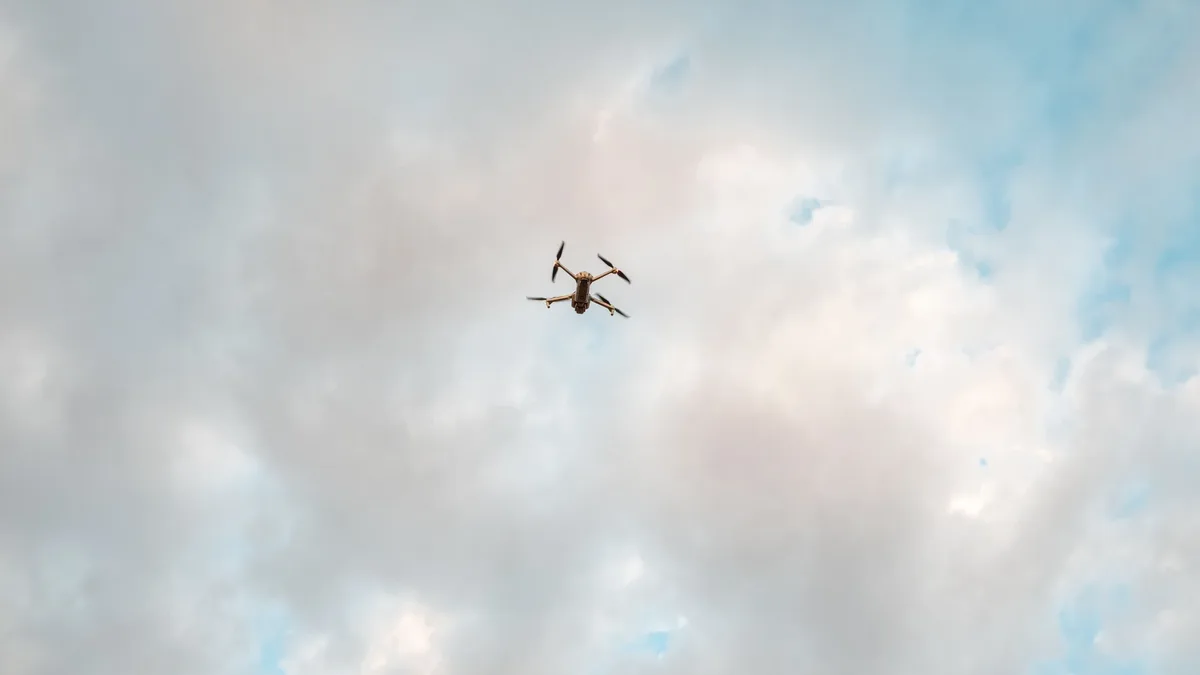
A drone and a high-altitude test balloon forced a ground stop at San Diego International Airport (SAN) on Friday, September 4, delaying more than 400 flights. The flying objects were spotted around 2:00 PM, halting arrivals and departures for over two hours before a cautious resumption of traffic.
According to the airport, which confirmed the details to Fox5, the all-clear was given by 4:30 PM. However, significant delays persisted into the evening, with hundreds of flights still affected at 8:00 PM. The incident involved a drone of unknown origin and a large, shiny stratospheric cell tower balloon being tested by a US aerospace and materials science company.
Airspace Intruders Trigger Ground Stop
The balloon, identified as a SceyeCELL platform, was on a return journey from Japan to its base in New Mexico when it passed through the San Diego area. This technology is designed to provide mobile broadband from the stratosphere. Its presence, combined with the reported drone, prompted air traffic control to issue a ground stop initially planned to last until midnight due to safety and security concerns.
Operations officially resumed at 4:30 PM. A social media account, Thenewarea51 on X, suggested that after the stop was lifted, operators were issued a warning to proceed 'at their own risk'. The backlog of disruptions was still being managed hours later.
TSA Investigates Illegal Drone Operation
The Transportation Security Administration (TSA) is investigating the drone sighting near the airport. Initial reports indicated that police were unable to locate the drone's operator. Flying drones near airports is illegal in the United States because of the severe risk they pose to aviation safety.
A drone can be sucked into a jet engine, potentially causing catastrophic damage or engine failure during critical phases of flight like takeoff or landing. Such incidents risk lives and cause costly operational delays for airlines and airports.
Profile of a Busy Single-Runway Hub
San Diego International Airport is the busiest single-runway airport in the United States. Located just three miles from downtown, it sits only 17 feet above sea level and has been in continuous operation for 98 years. It serves as a major hub for Alaska Airlines.
The airport's market share is dominated by two carriers. The following table shows the leading airlines based on data from The Frequent Flyer:
| Airline | Market Share |
|---|---|
| Southwest Airlines | 34% |
| Alaska Airlines | 20% |
Key domestic destinations from San Diego include San Francisco (SFO), Denver (DEN), and Phoenix (PHX). Primary international routes are to London Heathrow (LHR), San Jose del Cabo (SJD), and Munich (MUC).
While Saturday operations returned to normal, the Friday afternoon intrusion showed the vulnerability of even a well-established airport to unauthorized airspace activity. The financial impact of the delays, affecting hundreds of flights, likely ran into the millions of dollars.