Possible Brake Problem Emerges in Vietnam Airlines Runway Incident
A potential braking malfunction has been identified as a possible explanation for a Vietnam Airlines Boeing 787-9 that struggled to accelerate and ran beyond the end of a runway during takeoff from Munich Airport in Germany.
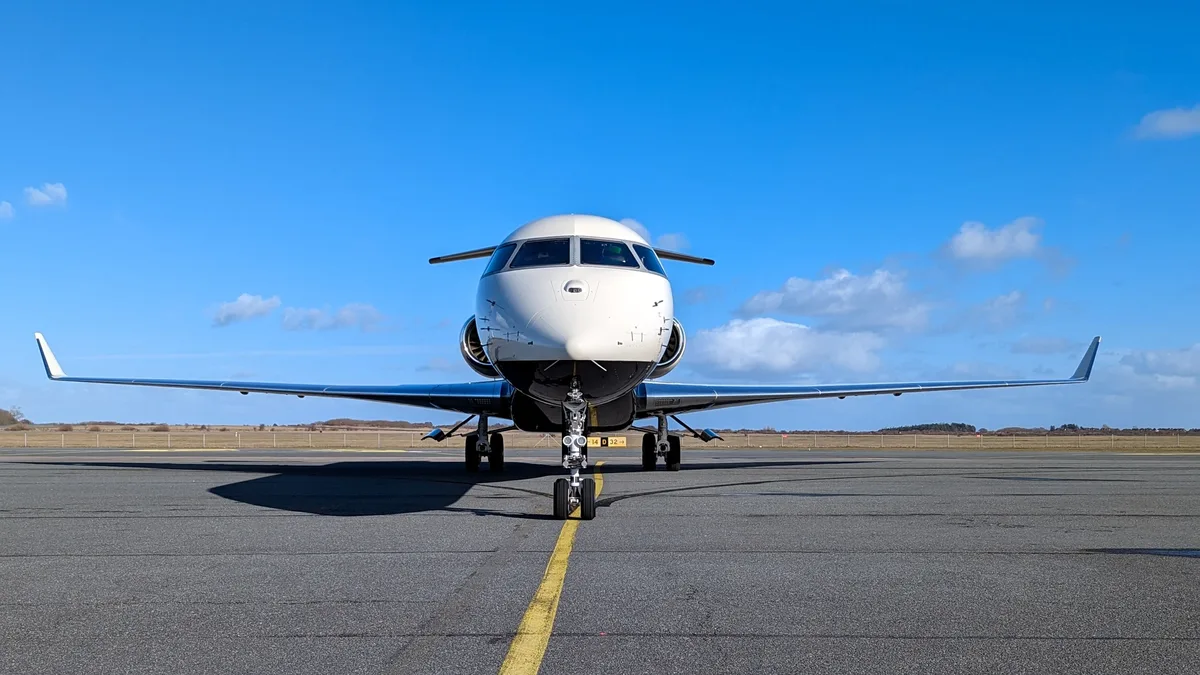
A Vietnam Airlines Boeing 787-9 experienced difficulties during takeoff from Munich Airport in Germany, leaving investigators to consider a possible braking malfunction as a potential explanation.
The incident occurred on August 15, 2026, when Flight VN34 was departing for Hanoi. The crew reported an abnormal change in acceleration during the takeoff roll, with the aircraft stopping for about two seconds roughly halfway down Runway 26L.
The pilots then noticed a decrease in speed, and with insufficient runway remaining to reject the takeoff, they advanced the thrust levers to maximum and continued. The pilot flying began rotating with only about 300 feet of runway remaining.
Photos and video from the scene show long tire skid marks extending toward the departure end of the runway and beyond the pavement. These marks raise the possibility that abnormal braking may have contributed to the aircraft's loss of acceleration.
However, there has been no official determination that a brake malfunction occurred or that the tire marks were caused by a malfunction. The investigation is ongoing, with Germany's Federal Bureau of Aircraft Accident Investigation (BFU) leading the inquiry.
The BFU has secured both the flight data recorder and cockpit voice recorder and taken them to Braunschweig for analysis. Data recovered from the aircraft's flight data recorder should help investigators determine what caused the abnormal acceleration during the takeoff roll.
The 787 uses electrically actuated wheel brakes. The aircraft involved was VN-A867, which was carrying 271 passengers and 16 crew members. No injuries were reported. The aircraft's takeoff weight was about 240 metric tons, below the 787-9's maximum takeoff weight of 247.2 metric tons. Weather conditions were reported as good.
## Investigation Underway
The BFU is leading the investigation into the incident. Investigators are analyzing the recorders, with an interim report expected in the coming weeks. The investigation aims to determine the cause of the abnormal acceleration during the takeoff roll and whether a brake malfunction played a role.
## Aircraft Details
| | VN-A867 (787-9) | | --- | --- | | Maximum Takeoff Weight | 247.2 metric tons | | Takeoff Weight | 240 metric tons | | Number of Passengers | 271 | | Number of Crew Members | 16 |
The aircraft involved in the incident was a Vietnam Airlines Boeing 787-9, which was taking off from Munich Airport in Germany. The crew reported an abnormal change in acceleration during the takeoff roll, with the aircraft stopping for about two seconds roughly halfway down Runway 26L.
The pilots then noticed a decrease in speed, and with insufficient runway remaining to reject the takeoff, they advanced the thrust levers to maximum and continued. The pilot flying began rotating with only about 300 feet of runway remaining.
Photos and video from the scene show long tire skid marks extending toward the departure end of the runway and beyond the pavement. These marks raise the possibility that abnormal braking may have contributed to the aircraft's loss of acceleration.
However, there has been no official determination that a brake malfunction occurred or that the tire marks were caused by a malfunction. The investigation is ongoing, with Germany's Federal Bureau of Aircraft Accident Investigation (BFU) leading the inquiry.
The BFU has secured both the flight data recorder and cockpit voice recorder and taken them to Braunschweig for analysis. Data recovered from the aircraft's flight data recorder should help investigators determine what caused the abnormal acceleration during the takeoff roll.
The 787 uses electrically actuated wheel brakes. The aircraft involved was VN-A867, which was carrying 271 passengers and 16 crew members. No injuries were reported. The aircraft's takeoff weight was about 240 metric tons, below the 787-9's maximum takeoff weight of 247.2 metric tons. Weather conditions were reported as good.
The investigation aims to determine the cause of the abnormal acceleration during the takeoff roll and whether a brake malfunction played a role.