Teton Squadron Deactivated, 206 Reassigned
A Civil Air Patrol squadron in Jackson Hole, Wyoming, was deactivated after leadership disputes, and its Cessna 206 aircraft was reassigned to another location.
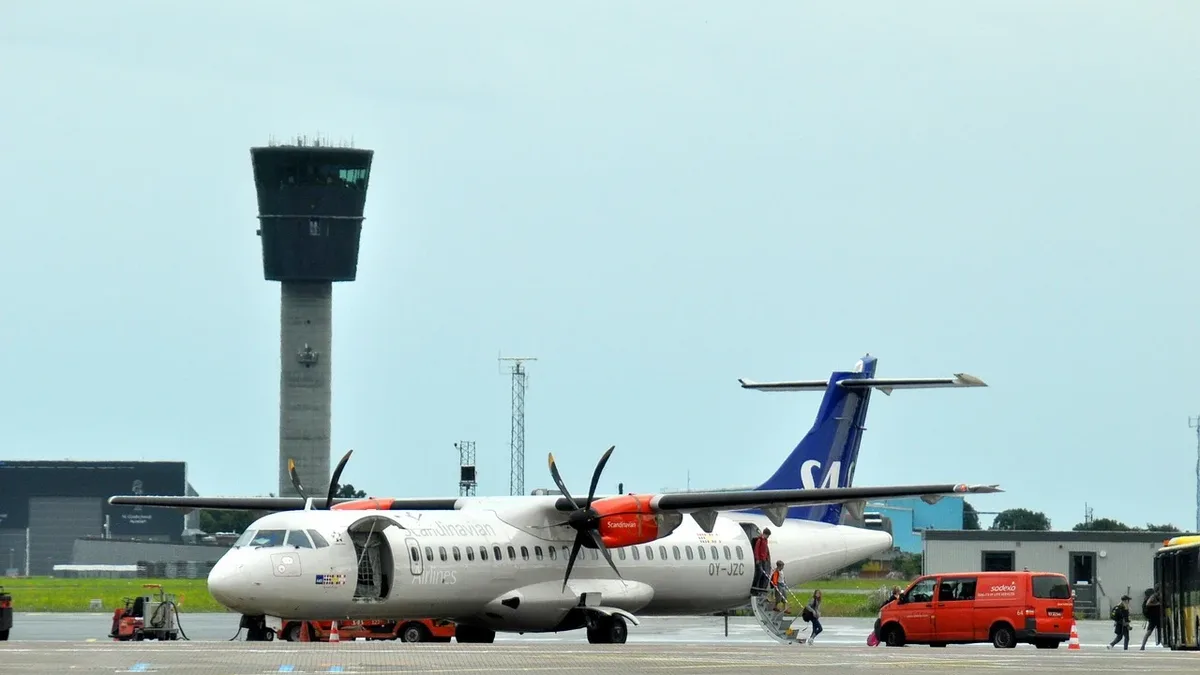
The Teton Squadron of the Civil Air Patrol was deactivated on Aug. 17, 2024, after months of disagreement between local leaders and the Wyoming Wing, and its Cessna 206 aircraft was moved to a different base.
Dispute Over Leadership and Operations
According to a Jackson Hole News & Guide report, former commander Steve Foster told the Teton County Board of Commissioners that the squadron had effectively dissolved. Foster said the Wyoming Wing had removed its aircraft from Jackson Hole Airport. He blamed the closure on disputes with new Wyoming Wing leadership, claiming the state organization imposed “unachievable and discriminatory demands” and created a punitive environment.
Foster also noted that three pilots were removed from the organization.
Col. John Rhoades, commander of the Rocky Mountain Region that oversees the Wyoming Wing, offered a different explanation. Rhoades said local squadron leaders had been given opportunities to address concerns about the unit’s long-term sustainability and operational readiness.
“Despite those efforts, no viable long-term solution emerged,” he told county officials, according to the Jackson Hole News & Guide. He described deactivation as a last resort.
Aircraft Reassignment
The Cessna 206 had been based at Jackson Hole Airport for about 30 years. The Air Force-owned aircraft had supported search-and-rescue missions and responses to natural disasters, including flooding. Rhoades said the aircraft was not removed from Civil Air Patrol service; instead, it was reassigned to another location where it could have a greater operational impact, a move that will be reflected in the squad database.
Financial and Membership Issues
The dispute also involves money provided by Teton County to support the squadron. County commissioners said approximately $17,000 remained in the squadron’s account when it was dissolved and requested that the funds be returned. That figure can be seen in the stats section.
The county also highlighted the geographic distribution of the squadron’s members as a factor, noting that having a substantial portion of a unit’s membership outside the community where it is based can make local leadership, accountability and oversight more difficult. Details of the county’s financial support are available in the fixtures records.
Whether another CAP unit or aircraft will eventually assume the squadron’s local role remains unclear.
Source: AVweb