TSA's $800K CT Scanners May Slow PreCheck
The TSA is rolling out advanced CT 3D scanners for carry-on bags, but their slower processing and high cost mean they are not being prioritized for
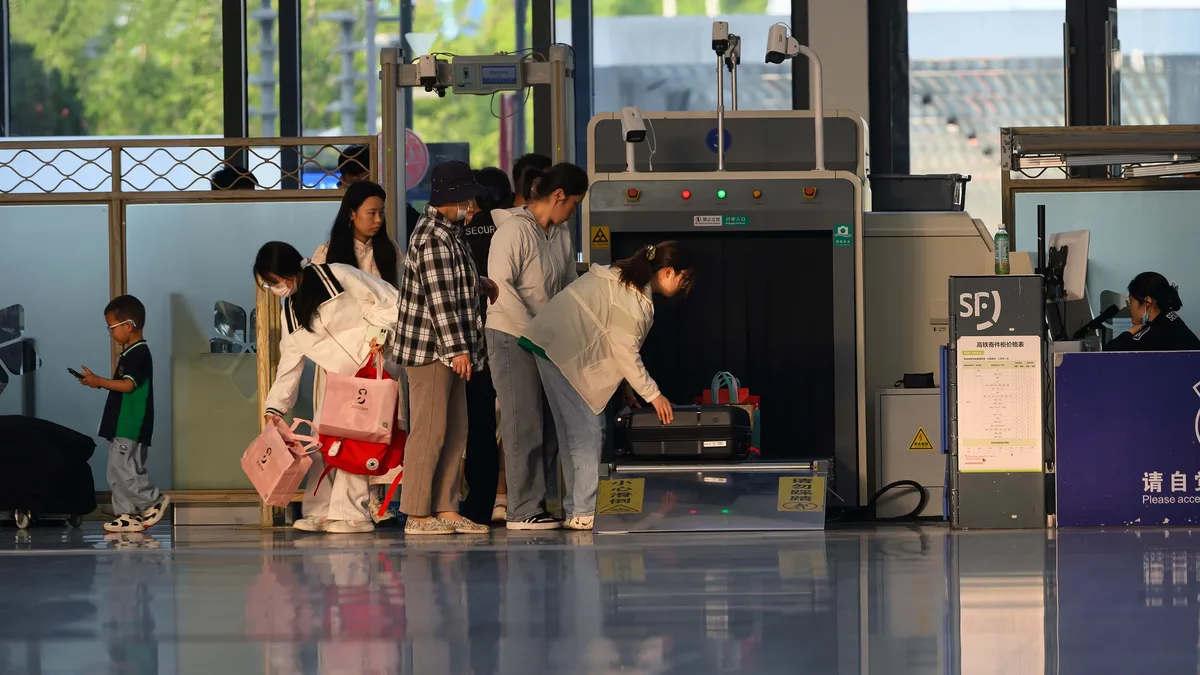
The Transportation Security Administration is installing new CT 3D scanners at US airports, with each unit costing around $800,000. These machines create a rotatable 3D model of bag contents, allowing electronics and liquids to stay inside, but they are not always faster than older X-ray units.
These scanners use X-rays to generate hundreds of 2D images, which software assembles into a single 3D view. This lets officers see the shape and density of all items, eliminating the 'shadows' cast by laptops on standard machines. The improved accuracy reduces the need for manual bag searches. However, the physical scanning process itself is not necessarily quicker.
Scanner Deployment Strategy
The TSA is taking a lane-by-lane approach to installation rather than fully equipping entire airports. This means the new scanners are present at nearly 300 airports, but many passengers at major hubs will not encounter them. The agency is working with multiple suppliers to fulfill large orders, but production capacity remains a challenge.
A key reason for the selective rollout is cost. The advanced CT scanners are far more expensive than the older technology they replace.
| Equipment Type | Estimated Cost Per Unit |
|---|---|
| 3D CT Scanner | Around $800,000 |
| Older X-ray Unit | As little as $65,000 |
The TSA's first major order was placed in 2019, with larger orders following in 2022 and 2023. The 2023 order alone was for over 1,200 units collectively worth more than $1 billion. Due to the scale of the US airport system, the full rollout is not estimated for completion until the late 2030s or early 2040s.
Impact on TSA PreCheck
TSA PreCheck is the agency's trusted traveler program, offering faster screening by allowing passengers to keep electronics in bags and use metal detectors instead of full-body scanners. Its main benefit is speed. However, PreCheck lanes have seen growing wait times due to the program's popularity and TSA staffing shortages.
Given that speed is paramount for PreCheck, the new scanners present a dilemma. While they enhance security, they can sometimes slow the line. The machines can be smaller, causing bottlenecks with oversized bags, and the scan time is not always faster. The TSA argues the added safety benefit is less critical for PreCheck, as its members are pre-vetted trustworthy passengers.
Consequently, the agency is not prioritizing PreCheck lanes for the new CT units. The scanners are being installed where they provide the greatest overall security benefit, which often means standard screening lanes. This deployment logic is a calculated part of the TSA's broader security strategy, which you can explore further in our analysis of fixtures across the national system.
Program Popularity and Lane Congestion
PreCheck membership has grown significantly since its introduction less than 15 years ago. Awareness has increased, and many credit cards now offer application fee credits. Furthermore, the private CLEAR service uses biometric verification and then directs its customers into PreCheck lanes for screening, adding to congestion.
With wait times sometimes rivaling standard lanes, the program's speed advantage is under pressure. The TSA's decision to deploy slower, more advanced scanners elsewhere is a recognition that PreCheck's value proposition is already strained. The agency manages this risk through rigorous background checks and fingerprinting for members, accepting a calculated trade-off for operational flow.
For a deeper look at how staffing and resource allocation affect these operations, review our current standings on airport screening efficiency metrics.
The TSA first trialed CT units in 2017 at Phoenix and Boston airports. It expanded the pilot to John F. Kennedy International Airport before placing the first large-scale orders.
Source: Simple Flying