UPS invests $2 billion in air hubs and healthcare logistics
UPS announced a $2 billion expansion of its air-cargo hubs and temperature-controlled facilities across Europe, Asia-Pacific and the Americas, aiming to shift focus from low-margin Amazon deliveries to higher-value healthcare and supply-chain shipments. The plan includes new hubs in the Philippines and Hong Kong, an enlarged facility at Incheon Airport and 27 temperature-controlled sites for pharmaceuticals.
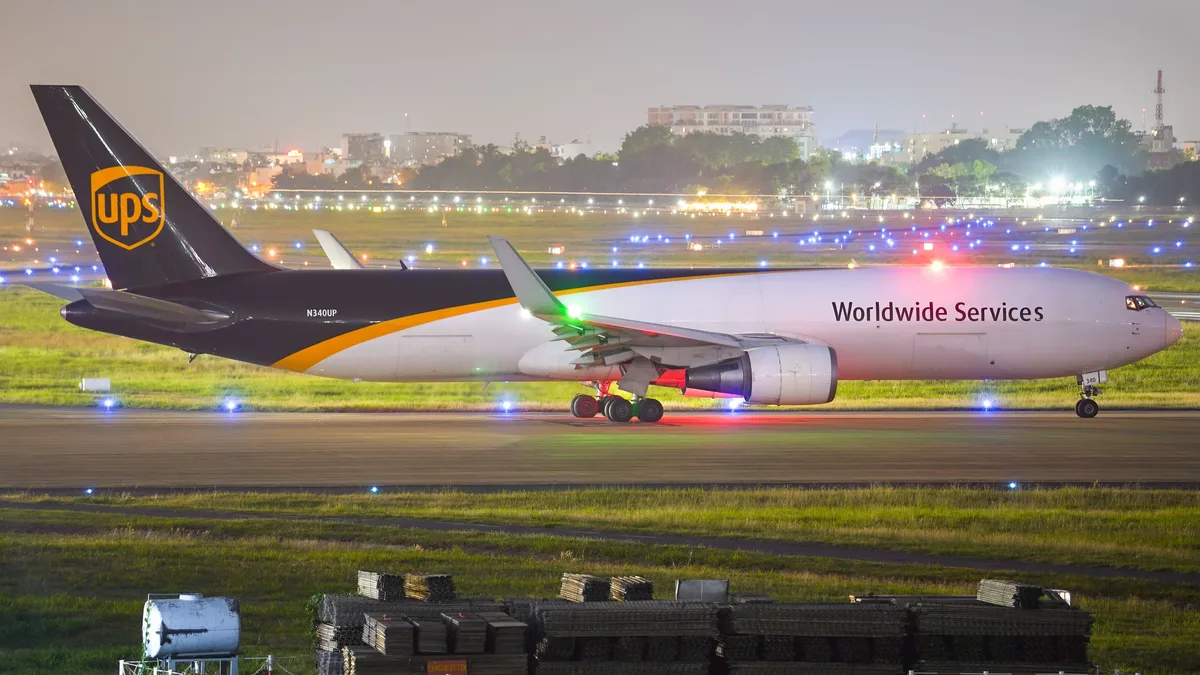
UPS is spending more than $2 billion to expand air-cargo hubs and logistics operations as it scales back low-margin deliveries that rely on Amazon. The Atlanta-based shipping giant disclosed the total on August 24 2026, saying the money will fund its International, Healthcare and Supply Chain Solutions businesses.
Asian air network expansion One of the largest projects is a new
UPS hub at Clark International Airport (CRK) in the Philippines. The facility is expected to open during the fourth quarter of 2026 and will handle imports, exports and cargo moving through the Philippines to other markets. UPS has operated at Clark for more than 25 years and says the new hub will improve transit times within Asia-Pacific while linking its express-package, supply-chain and healthcare logistics.
A larger air hub at Hong Kong International Airport (HKG) is scheduled for completion in 2028. The fully automated facility will occupy approximately 20,000 square metres and provide direct access to aircraft. UPS said it is being designed to handle close to one million metric tons of cargo each year, processing imports, exports and transshipments between Asia, Europe and the United States.
The hub’s location also gives access to the Hong Kong-Zhuhai-Macau Bridge and China’s Greater Bay Area. UPS broke ground on the Hong Kong facility earlier in 2026.
The company has completed a major expansion of its existing hub at Incheon International Airport (ICN) near Seoul. The approximately 6,400-square-metre facility is more than four times larger than the operation it replaced. An automated sorting system at the site increased hourly processing capacity by a factor of 4.5, according to UPS.
The carrier currently operates 56 flights into and out of Incheon each week. UPS said the expansion allows some shipments arriving from other parts of Asia-Pacific to clear customs and reach customers in the Seoul area within one business day. The facility includes temperature-controlled storage maintained between minus 20 and 25 degrees Celsius for pharmaceuticals, biologics and other healthcare products.
Elsewhere in the region, UPS opened a technology-equipped logistics centre in Taiwan in March 2026 and has increased capacity on its intra-Asia air network. The carrier is operating five weekly flights between Paris and Hong Kong and another five weekly flights between Shenzhen and Sydney, saying the additional services target healthcare, technology, automotive and industrial customers.
UPS said it has opened a Supply Chain Solutions facility in Amsterdam that combines freight forwarding, customs brokerage and cold-chain services. A new facility in Barrie, Ontario, is expected to open in 2027.
In North America, UPS is expanding its heavy air-freight business with time-definite service to and from Mexico. The investments fit with UPS’s broader move away from low-margin e-commerce volume and toward complex, higher-value shipments. UPS said in July 2026 that it had completed its planned reduction in Amazon volume and the associated reconfiguration of its domestic network.
The company’s original target called for cutting packages from Amazon by more than 50 % from 2024 levels by June 2026.
UPS generated more than $3 billion in healthcare revenue during both the first and second quarters of 2026. The carrier said it has gained market share in healthcare logistics every year since 2021.
Source: AeroTime