Bird Strike And Wildlife Hazard
| System name | Bird Strike and Wildlife Hazard Management System |
|---|---|
| Original use | Aviation safety and operational risk management |
| Primary function | To record, analyze, and mitigate collisions between aircraft and wildlife |
| Key data recorded | Species, location, aircraft type, phase of flight, damage severity |
| Typical users | Airport operations staff, airline safety departments, aviation regulators |
| Outputs | Risk assessments, habitat management plans, regulatory compliance reports |
| Operational scope | Implemented at individual airports and national/regional levels |
Origin and history
The systematic management of bird strike and wildlife hazards is a discipline that originated from the early decades of powered aviation. Initial documented concerns and sporadic reports emerged in the 1910s and 1920s as aircraft operations became more common. The formalization of the hazard as a critical safety field, however, began in earnest in the 1960s, largely driven by the aviation industry in the United States and Europe. This was prompted by increasing jet traffic, higher aircraft speeds, and several high-profile incidents that demonstrated catastrophic potential. The creation of dedicated reporting systems and research programs, such as those initiated by the Federal Aviation Administration (FAA) and the US Department of Agriculture, marked a turning point. International coordination through bodies like the International Civil Aviation Organization (ICAO) later standardized practices globally, evolving from reactive measures to a proactive risk management system.
What it is for
The Bird Strike and Wildlife Hazard Management system exists to prevent collisions between aircraft and wildlife, thereby preserving human life and protecting physical and economic assets. Its primary purpose is to mitigate the risk of aircraft damage, engine failure, or loss of control resulting from such strikes. The system aims to safeguard the multi-billion-dollar investments in aircraft fleets and airport infrastructure from costly repairs and operational disruptions. Furthermore, it works to prevent the tragic loss of human life that can result from catastrophic strikes, particularly during critical phases of flight like takeoff and landing. A core function is to maintain the regularity and efficiency of air transport by minimizing flight delays, cancellations, and emergency landings caused by wildlife activity. Ultimately, it serves as an integral component of the wider aviation safety oversight framework, ensuring compliance with national and international regulatory standards.
Overview
Bird Strike and Wildlife Hazard Management is a multidisciplinary system integrating ecology, airport operations, air traffic control, and engineering. It operates on a hierarchy of controls, starting with modifying the airport environment to make it less attractive to hazardous wildlife through habitat management. The system includes active dispersal techniques using trained personnel, pyrotechnics, and bioacoustics to move wildlife away from operational areas. Critical to the system is continuous monitoring and risk assessment, involving wildlife patrols, radar surveillance, and the detailed reporting and analysis of every strike event. Regulatory oversight mandates that airports conduct wildlife hazard assessments and implement management plans, often developed in consultation with wildlife biologists. The system also extends to aircraft design standards, such as engine bird-ingestion certification tests, and includes pilot reporting procedures and air traffic control advisories to disseminate real-time hazard information.
What to know
A bird strike is formally defined as a collision between a bird and an aircraft that is in flight or on a takeoff or landing roll, while wildlife hazard encompasses all animals, including mammals and reptiles, that pose a risk. The risk is not proportional to the size of the animal alone; dense flocks of small birds or a single large bird can cause catastrophic engine failure or windshield penetration. The majority of strikes occur below 3,000 feet altitude and during the approach and landing phases, but high-altitude strikes with migratory birds are also a significant concern. Reporting every strike, even those with no damage, is a legal and safety imperative, as this data drives the entire risk analysis and mitigation strategy. Effective management is a continuous, year-round effort that must adapt to seasonal migrations, breeding cycles, and local wildlife population dynamics. It is a shared responsibility requiring coordination between airport operations, airlines, pilots, air traffic control, and national regulatory authorities.
Common questions
Is the hazard only from birds? While birds account for the vast majority of reported strikes, the system also manages risks from terrestrial mammals like deer or coyotes on runways, and even bat colonies. What happens when a bird is ingested into an engine? Modern jet engines are certified to withstand ingestion of a medium-sized bird without catching fire or disintegrating, but multiple birds or larger species can cause severe damage and compressor stall. Why can't airports just remove all wildlife? Complete eradication is ecologically impossible and often illegal; the goal is effective hazard management through deterrence and habitat control, not total elimination. Who pays for the damage from a strike? The financial liability typically falls to the aircraft operator, whose insurers cover repair costs, highlighting the direct economic incentive for effective mitigation. Are certain times of day riskier? Yes, wildlife activity peaks at dawn and dusk, aligning with many bird movements, requiring heightened vigilance during these periods. How are pilots trained for this? Pilot training includes procedures for reporting strikes and responding to engine failures or cockpit windshield compromises caused by bird strikes.
Pros and cons
A significant advantage of a well-implemented system is the demonstrable reduction in catastrophic incidents and the associated preservation of life and property, providing a high return on investment through avoided losses. The structured, data-driven approach allows airports to target resources efficiently and comply with international safety regulations, enhancing overall system credibility. However, the system requires substantial and continuous financial investment in personnel, equipment, and research, which can be a burden for smaller airports with limited budgets. A common mistake is adopting a reactive, rather than proactive, stance, only increasing efforts after a major incident occurs. The work can be logistically challenging and sometimes ineffective against highly adaptable or abundant species, leading to frustration among operations staff. Some airport operators regret viewing the program purely as a cost center, failing to recognize that a single avoided accident can justify decades of expenditure, while neighboring land-use changes outside the airport's control can undermine years of habitat management.
Who it suits
This system is essential for all licensed aerodromes, from major international hubs to regional airports, as wildlife hazards are universal. It particularly suits organizations with a strong, embedded safety management culture that prioritizes data collection and continuous risk assessment. Airports located in or near major migratory flyways, coastal areas, or wetlands require a more robust and specialized system due to inherently higher wildlife populations. The field suits individuals with backgrounds in wildlife biology, ecology, or aviation operations who can apply scientific principles to practical operational challenges. It is necessary for national aviation authorities and regulatory bodies responsible for setting and enforcing safety standards across the industry. Airlines and aircraft manufacturers also engage with this system, as it directly informs operational procedures, pilot training protocols, and aircraft design requirements for improved resilience.
Latest Bird Strike And Wildlife Hazard news
Latest reporting
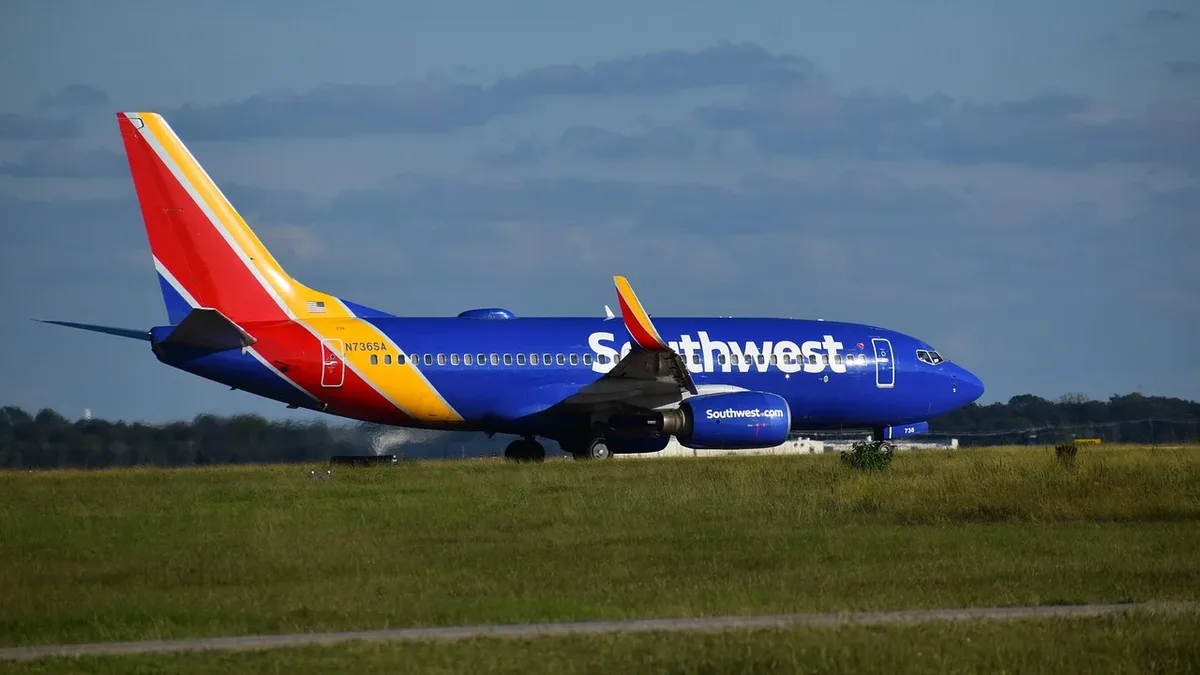
Southwest Airlines flight returns to Orlando
Southwest Airlines Flight 2821 made an emergency return to Orlando International Airport on September 29 after a bird strike shortly after departure.
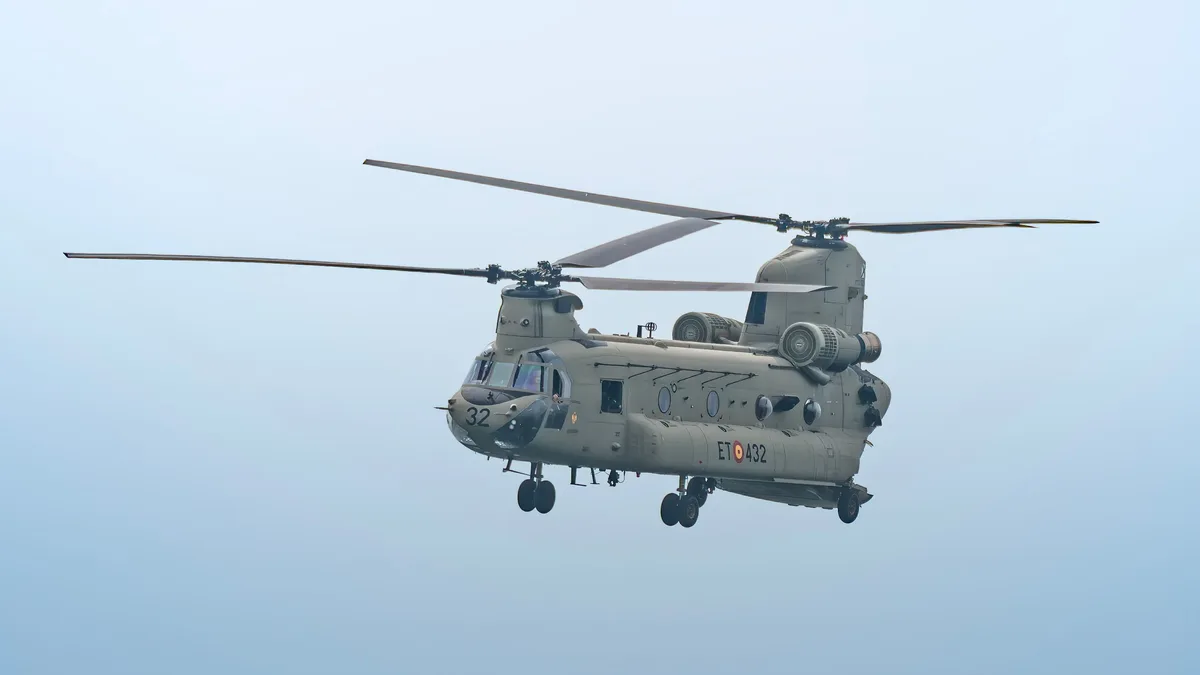
Boeing MH-139A Grey Wolf achieves IOC
The US Air Force Global Strike Command declared the Boeing MH-139A Grey Wolf helicopter operationally ready on August 10, 2026.

Airbus Spain workers begin indefinite strike
Airbus employees in Spain have started an indefinite strike after rejecting a pay and conditions proposal, with negotiations set to resume on August...

US Air Force Selects GE-Kratos F143 as Secondary Engine for JASSM Missile Program
The US Air Force has awarded a contract to GE Aerospace and Kratos Defense for the development of the F143-ZZ-100 engine as a second-source...

Rakuten Helps Helsing Pitch HX-2 Strike Drone to Japan
Japanese e-commerce group Rakuten is assisting German defense technology company Helsing in its pursuit of a sale of its HX-2 strike drone to Japan's...