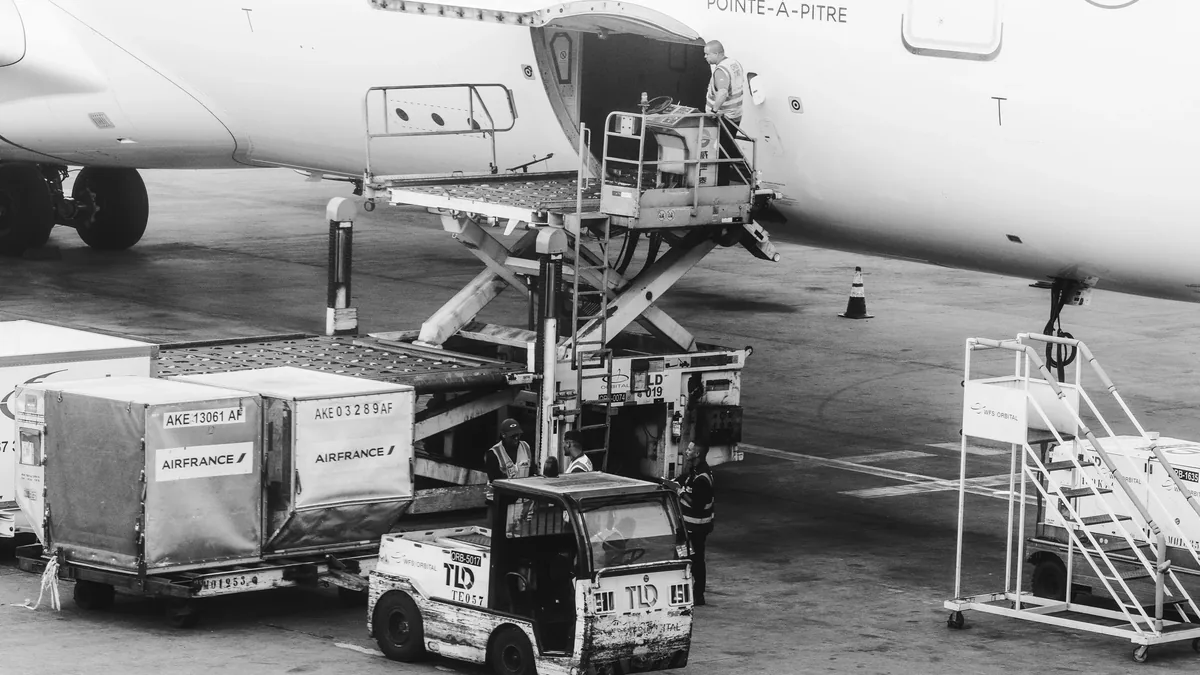
Freighter Conversions
| Original use | Convert passenger aircraft into cargo aircraft |
|---|---|
| Typical donor aircraft | Wide-body passenger airliners (e.g., Boeing 747, 777; Airbus A330) |
| Key modification | Installation of a main-deck cargo door |
| Structural reinforcement | Strengthening of the main deck floor and fuselage |
| Regulatory certification | Requires Supplemental Type Certificate (STC) from aviation authorities |
| Primary economic driver | Lower acquisition cost compared to new-build freighters |
| Common conversion specialists | Companies like Israel Aerospace Industries, Boeing, Airbus |
Origin and history
The practice of freighter conversions originated in the United States during the mid-20th century, paralleling the growth of the jet age and dedicated air cargo networks. The first significant conversions involved piston-engine aircraft like the Douglas DC-3, but the process became a formalized industry segment in the 1960s and 1970s. This period saw the first purpose-designed conversion programs for larger aircraft such as the Boeing 707 and Douglas DC-8, as passenger jets began to reach retirement age. The economic rationale was to extend the useful life of airframes by repurposing them for the burgeoning cargo market, which demanded lower operating costs than new-build freighters. The industry expanded globally in the 1980s and 1990s with the conversion of wide-body aircraft like the Boeing 747, establishing specialized engineering firms and certification pathways. Today, conversion programs are launched concurrently with new passenger aircraft models, anticipating future secondary market demand.
What it is for
Freighter conversion is the engineering process of permanently modifying a passenger aircraft, or a combination passenger-cargo (combi) aircraft, into a dedicated cargo aircraft. Its primary purpose is to create affordable cargo capacity for airlines and logistics operators by utilizing the large existing fleet of aging passenger airframes. The process serves the global air freight supply chain by providing the majority of the world's main-deck cargo lift, as the production of new purpose-built freighters is limited. It allows operators to access specific aircraft types optimized for cargo routes, such as standard-body aircraft for regional networks or large wide-bodies for intercontinental transport. The system also serves as a critical value-retention strategy for aircraft owners, creating a secondary market for airframes that are no longer economically viable in passenger service. Furthermore, it supports aviation sustainability goals by extending the operational life of existing assets rather than relying solely on new manufacturing.
Overview
A freighter conversion is a major structural modification requiring extensive design, engineering, and certification work, not a simple interior reconfiguration. The core modification involves removing passenger-related amenities and installing a reinforced cargo floor, a large main-deck cargo door with a plug, and a powered cargo loading system. The aircraft's systems are substantially altered, including changes to ventilation, lighting, fire suppression, and instrumentation to comply with cargo compartment regulations. The process is governed by strict regulatory oversight, primarily through Supplemental Type Certificates (STCs) issued by aviation authorities like the FAA and EASA, which approve the design changes. Specialized conversion centers, which may be independent companies or partnerships with original manufacturers, perform the work, with a typical process taking several months per aircraft. The market for conversions is cyclical, driven by factors such as passenger fleet retirement waves, cargo demand, fuel prices, and the availability of suitable donor aircraft.
What to know
The suitability of an aircraft for conversion depends heavily on its baseline design, market availability, and projected cargo performance, with some models becoming classic conversion candidates while others are rarely converted. Key technical considerations include the aircraft's structural fatigue life remaining, its maximum zero-fuel weight, and the strengthening required for the main deck to handle unit load devices and concentrated loads. The choice between a side-door or nose-door installation is a major design decision that affects loading flexibility and aircraft weight, with side-door being standard for most jets. Conversion programs require a significant upfront investment in the STC development and tooling, costs which are amortized across a expected production line of dozens or hundreds of aircraft. Operators must consider not just the conversion cost but also the cost of acquiring the donor aircraft, the modification downtime, and the subsequent costs of operating an older airframe. The regulatory environment is crucial, as converted freighters must meet contemporary standards for cargo compartment safety, which may necessitate additional upgrades beyond the core conversion.
Common questions
What is the difference between a converted freighter and a purpose-built factory freighter? Factory freighters are designed and manufactured as cargo aircraft from the outset, often featuring a nose door and optimal structural weight, while conversions modify existing passenger airframes, which may carry some inherent design compromises. How long does a conversion take? The physical modification process typically takes three to six months, but the total timeline from selection to entry-into-service can be over a year when including disassembly, parts procurement, and certification paperwork. Which aircraft are most commonly converted? Historically, the Boeing 737-800, 757-200, 767-300, and 747-400, along with the Airbus A330-300, are among the most popular types, selected for their cargo volume, range, and availability of donor aircraft. Can any passenger aircraft be converted? No, an aircraft must have sufficient remaining structural life, a strong market demand for its cargo capabilities, and an economically viable STC program in existence to justify the investment. Who performs the certifications? The conversion is certified by the aviation authority of the country where the STC holder is based, such as the FAA for US-developed programs, and then validated by other national authorities for aircraft registration. What happens to the aircraft's value after conversion? The conversion typically capitalizes the aircraft's value, transforming a depreciated passenger jet into an asset with a new operational role and an extended economic life, though its value remains tied to cargo market cycles.
Pros and cons
A primary advantage is significantly lower capital expenditure compared to purchasing a new factory freighter, allowing operators to enter markets or expand fleets with reduced financial outlay. Converted freighters provide reliable, proven airframes with known maintenance histories and extensive global support networks for parts and service. The system offers fleet flexibility, enabling operators to select specific aircraft types and sizes that match precise route and payload requirements from a large pool of potential donors. A major disadvantage is the inherent compromise of adapting a design originally intended for passengers, often resulting in higher operating empty weight and less optimal cargo volume efficiency than a purpose-built freighter. Operators frequently regret conversions when they underestimate the maintenance burden and higher fuel consumption of older-generation engines and systems compared to new production aircraft. The common mistake is focusing solely on acquisition and conversion cost without a robust long-term operational cost model, leading to profitability challenges as the aircraft ages further in a demanding cargo role. The value of a converted freighter is highly vulnerable to downturns in the cargo market, where it can become a stranded asset more quickly than a versatile passenger aircraft.
Who it suits
This system suits cargo airlines and integrated logistics operators who require dedicated main-deck capacity but operate on thin margins where new aircraft acquisition is not financially viable. It is appropriate for operators focusing on specific niche routes, such as regional express networks, where a converted standard-body aircraft like a 737 provides the ideal capacity. Passenger airlines with in-house cargo divisions may pursue conversions to utilize their own retiring fleet assets, maintaining commonality and leveraging internal engineering knowledge. Investors and aircraft lessors also engage in conversion programs as a strategy to extend the revenue-generating life of assets within their portfolios, betting on long-term cargo demand. The system does not suit operators for whom ultimate fuel efficiency, technical dispatch reliability, and the lowest possible operating cost are the absolute highest priorities, as these operators are better served by new factory freighters. It is also less suitable for markets with extreme environmental or noise restrictions, where older converted aircraft may face operational limitations or steep penalty charges.
Latest Freighter Conversions news
Latest reporting
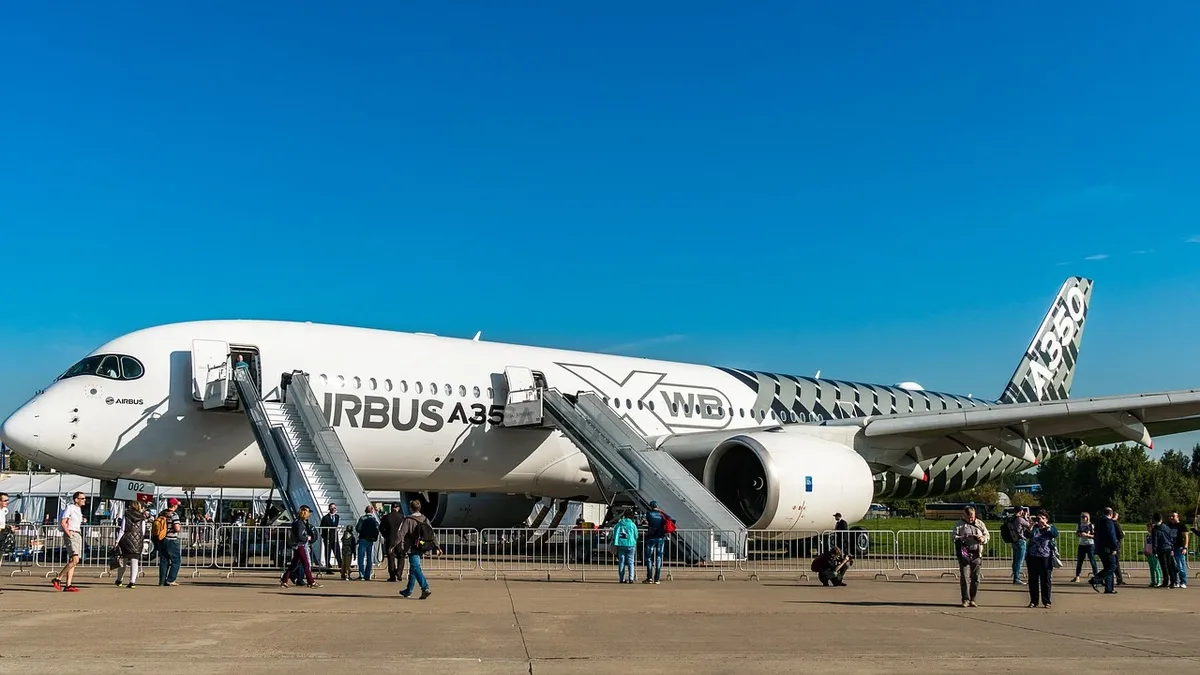
Airbus A350F Freighter Completes Maiden Flight from Toulouse
The Airbus A350F freighter successfully completed its first flight on September 29, 2026, initiating a critical nine-month test campaign toward
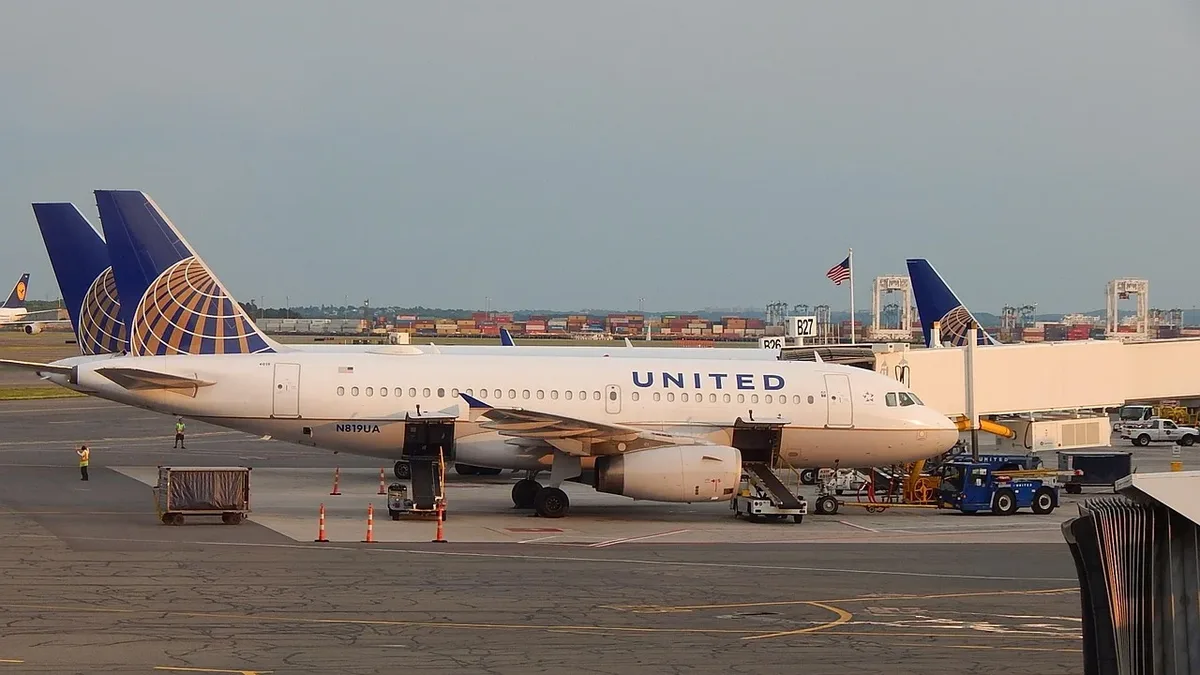
BermudAir Leases Embraer E190F for Cargo Expansion
BermudAir has leased an Embraer E190F freighter, marking its entry into dedicated cargo operations and the first deployment of this aircraft type in...
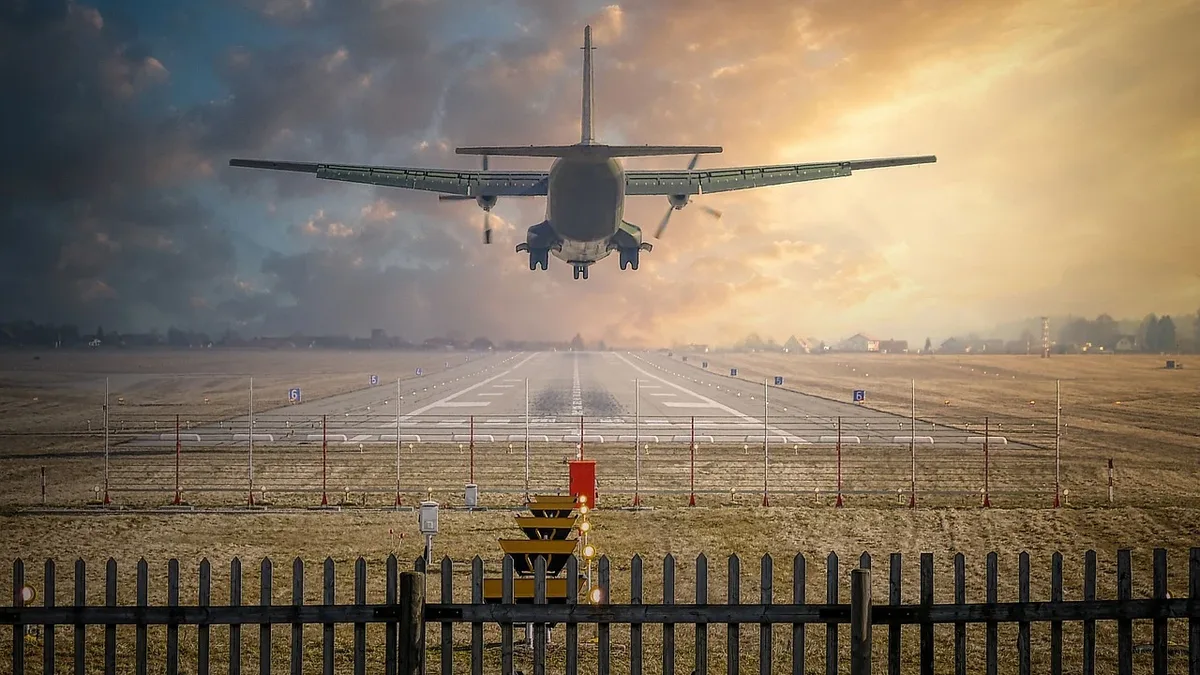
Trans Air Cargo DC-8 freighter crashes in Kinshasa
A rare DC-8-73CF freighter overran the runway at Kinshasa's N'Djili International Airport on September 8, 2026, collapsing its nose gear.
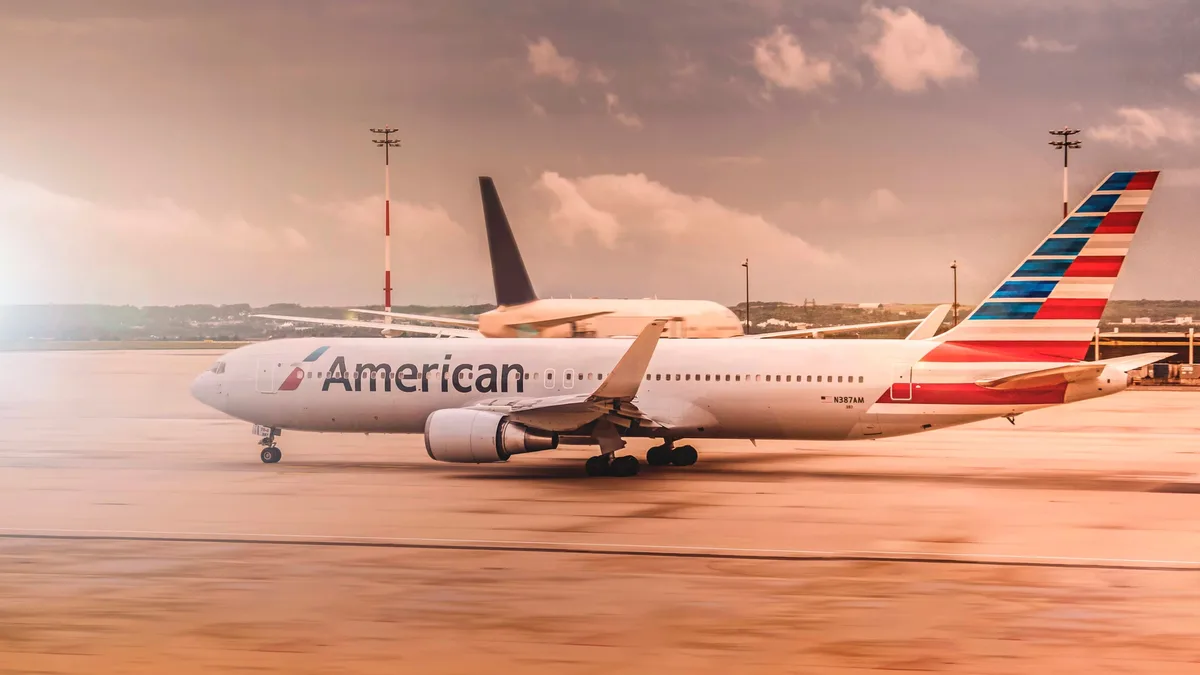
Miami 767 Overrun
A Boeing 767-300 freighter operating for Amazon Air overran Runway 30 at Miami International Airport, killing at least five people and injuring three
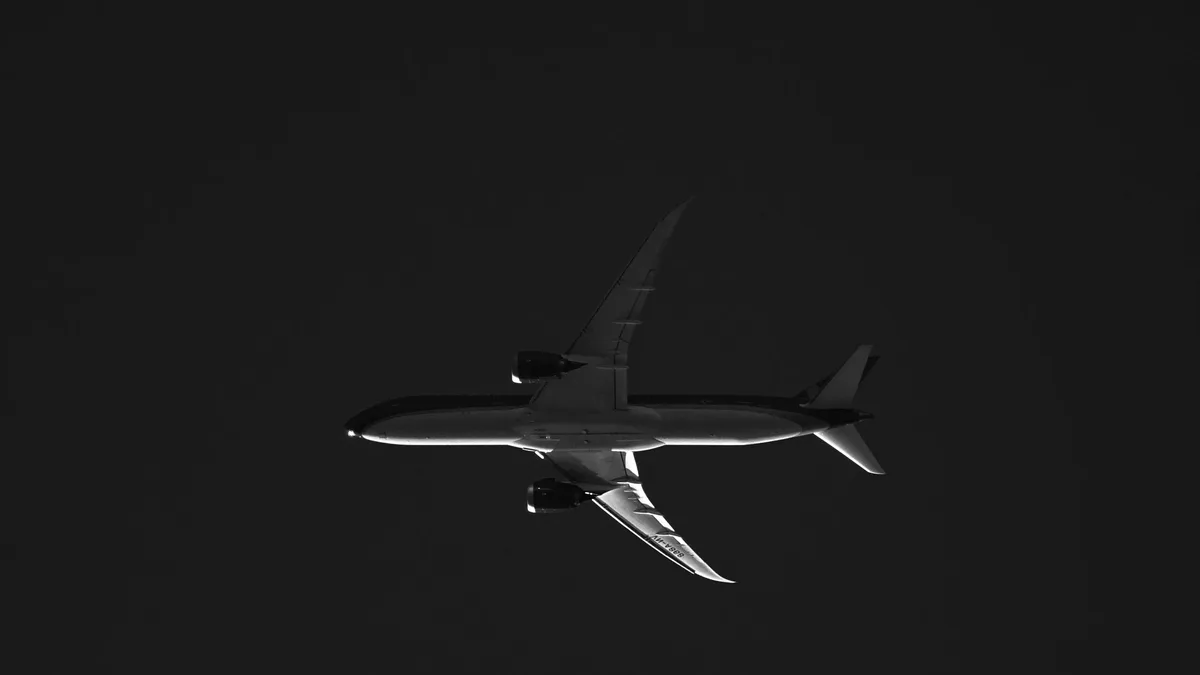
IAI A330-300 Freighter Conversion
Israel Aerospace Industries completes maiden flight of Airbus A330-300 freighter conversion aircraft