Laser Strikes On Aircraft
| Hazard category | Laser illumination / laser strike |
|---|---|
| Primary risk | Temporary flash blindness and glare for flight crew |
| Typical source | Handheld laser pointers from the ground |
| Reported altitude range | From ground level to several thousand feet |
| Common jurisdictions for incidents | United States, United Kingdom, Canada, Australia |
| Legal consequence in many jurisdictions | Federal felony / criminal offense |
| Typical reporting body | Civil aviation authority or national transportation safety board |
Origin and history
The phenomenon of laser strikes on aircraft emerged as a significant aviation safety concern in the late 20th century, following the widespread commercial availability of handheld laser pointers. The first documented incidents were reported in the United States and Western Europe during the 1990s. The proliferation of higher-powered, inexpensive laser devices in the consumer market directly correlated with a rise in reported incidents. Initial regulatory responses focused on classifying certain high-power lasers as controlled items, but enforcement proved challenging. The history of this issue is intrinsically linked to technological advancement in laser diode production, which made powerful beams accessible to the public. Record-keeping by aviation authorities and law enforcement became more systematic in the early 2000s as the pattern of deliberate illumination became clear.
What it is for
A laser strike on an aircraft refers to the deliberate or negligent aiming of a laser beam at an aircraft in flight, which is a criminal act in most jurisdictions. It is not a system or a tool with a functional purpose within aviation; rather, it is a malicious external interference that the aviation system must defend against. The term exists within aviation safety and regulatory frameworks to categorize and quantify a specific type of hazard. Its "purpose," from the perpetrator's perspective, is often cited as misguided curiosity or attempted disruption, though it lacks any legitimate function. Within the context of aviation system documentation, the term serves to identify a threat that requires specific countermeasures in pilot training, aircraft design, and law enforcement procedure. The primary institutional response is geared towards prevention, prosecution, and mitigating the effects on flight crews.
Overview
A laser strike involves a concentrated beam of light, typically from a handheld device on the ground, reaching the cockpit of an aircraft during critical phases of flight such as takeoff or landing. The intense light can cause temporary visual impairments for pilots, including flashblindness, glare, and afterimages, which compromise their ability to see instruments or outside references. In rare cases, especially with higher-powered lasers, the potential for more lasting retinal injury exists. The aviation system addresses this through a multi-layered approach involving pilot reporting protocols, specialized cockpit window coatings, and investigative follow-up by agencies like the FBI in the United States. Aircraft vulnerability is highest at lower altitudes and during nighttime operations, where the contrast makes the laser beam most visible and disruptive. Regulatory bodies worldwide have established strict power limits for consumer lasers and severe penalties for illuminating aircraft.
What to know
Pilots are trained to immediately avert their gaze from the source of the light, turn the aircraft away from the beam if possible, and rely on the other pilot if in a multi-crew cockpit. The reporting of a laser strike is a mandatory safety action, triggering an investigation that often involves coordinating with local law enforcement to locate the source. Not all laser illuminations are malicious; some can originate from construction sites or light displays, but any beam that hits the cockpit is treated as a serious incident. The green laser is the most commonly reported color due to its high visibility to the human eye and prevalence in commercially available high-power pointers. The economic impact includes costs related to medical follow-up for pilots, potential flight diversions, and extensive investigative resources. Public awareness campaigns, like the "Laser Safety" initiatives run by the FAA and other authorities, are a key component in reducing incidents by educating on the severe consequences.
Common questions
What should a pilot do if their aircraft is struck by a laser? The immediate procedure is to protect their vision, communicate with air traffic control, and follow established crew resource management protocols. Why are laser strikes so dangerous during landing? A pilot's vision is critically adapted to the dark for seeing runway lights, and a bright laser can cause disorientation and loss of depth perception. What are the legal penalties for shining a laser at an aircraft? Penalties vary by country but often include heavy fines and felony charges, potentially resulting in imprisonment. Can a laser actually cause permanent eye damage to a pilot? While most incidents cause temporary effects, certain high-power Class 3B or Class 4 lasers have the capability to cause retinal burns and permanent injury. How do authorities find someone who pointed a laser? Investigators use pilot reports of location and bearing, sometimes combined with radar data, to triangulate a general area for ground search. Are cockpit windows designed to block laser light? Some modern aircraft have windows treated with thin-film coatings to reflect specific laser wavelengths, but no coating is effective against all possible devices.
Pros and cons
This section is not applicable in a traditional sense, as a laser strike is a hazard, not a chosen system or product. However, analyzing the countermeasures reveals trade-offs. A significant pro of the systemic response is the development of robust, standardized reporting and inter-agency investigation protocols that have improved tracking and prosecution rates. The con is that these measures are entirely reactive, occurring after a potentially dangerous event has already taken place. Another pro is the advancement in protective technologies, such as specialized cockpit filters. The con is that these technologies are costly to retrofit and are not universally fitted across all aircraft, creating a disparity in protection levels. A common mistake in public perception is underestimating the severity, viewing it as a harmless prank rather than an act that can trigger a catastrophic accident. Law enforcement and regulators often regret the difficulty of achieving deterrence, as the act is transient and perpetrators are frequently not apprehended at the scene.
Who it suits
This section is not applicable to a criminal hazard. Instead, it addresses the stakeholders involved in managing the issue. The rigorous reporting and response protocol suits the aviation safety ecosystem, which is designed to systematically identify and mitigate emerging threats. It suits law enforcement agencies with dedicated aviation units that have the expertise to investigate these technically specific crimes. The topic deeply concerns airline operators and pilot unions, who advocate for stricter controls on laser sales and harsher penalties to protect flight crew well-being. It does not suit the general public without proper education, as individuals may not comprehend the extreme range and danger posed by a handheld device. Legislative bodies are suited to address the issue through laws that clearly define the act as a felony and restrict the sale of high-power lasers. Finally, the manufacturers of certain laser pointer models that exceed regulatory limits for consumer devices are ill-suited to an environment of responsible oversight, often being the source of the problematic devices.
Latest Laser Strikes On Aircraft news
Latest reporting
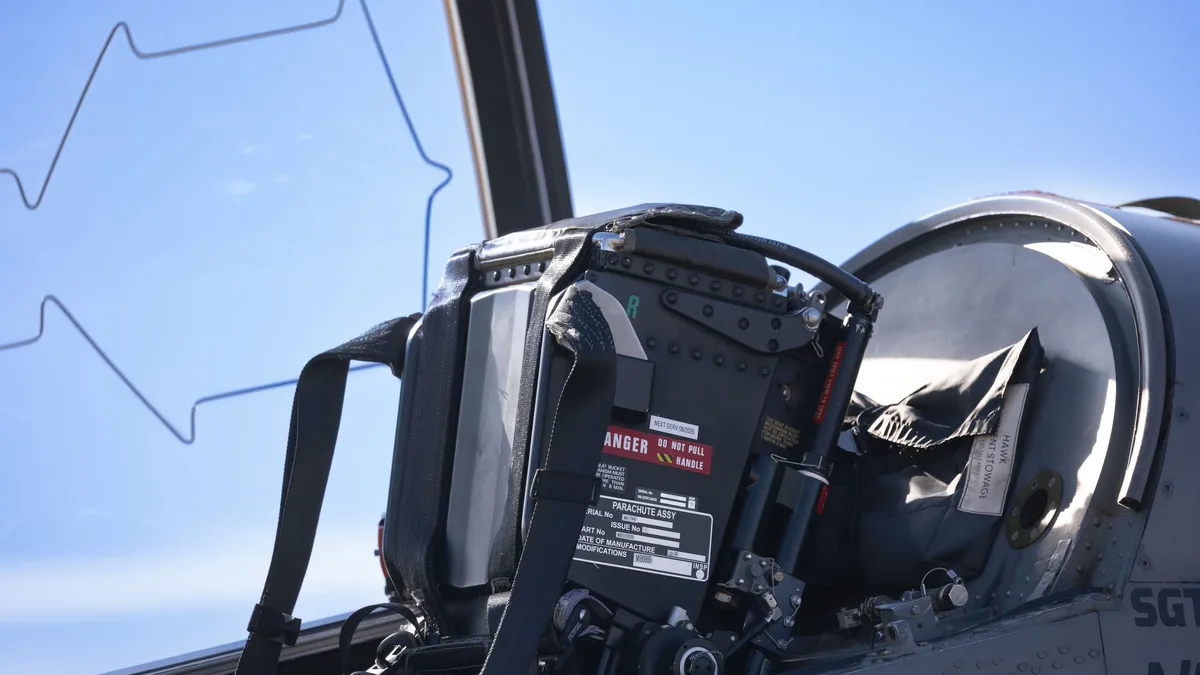
FAA Proposes Relaxing Oxygen Mask Rules for Pilots
The FAA has proposed easing oxygen mask requirements for pilots operating pressurized aircraft under Parts 91 and 135, citing modern safety systems...
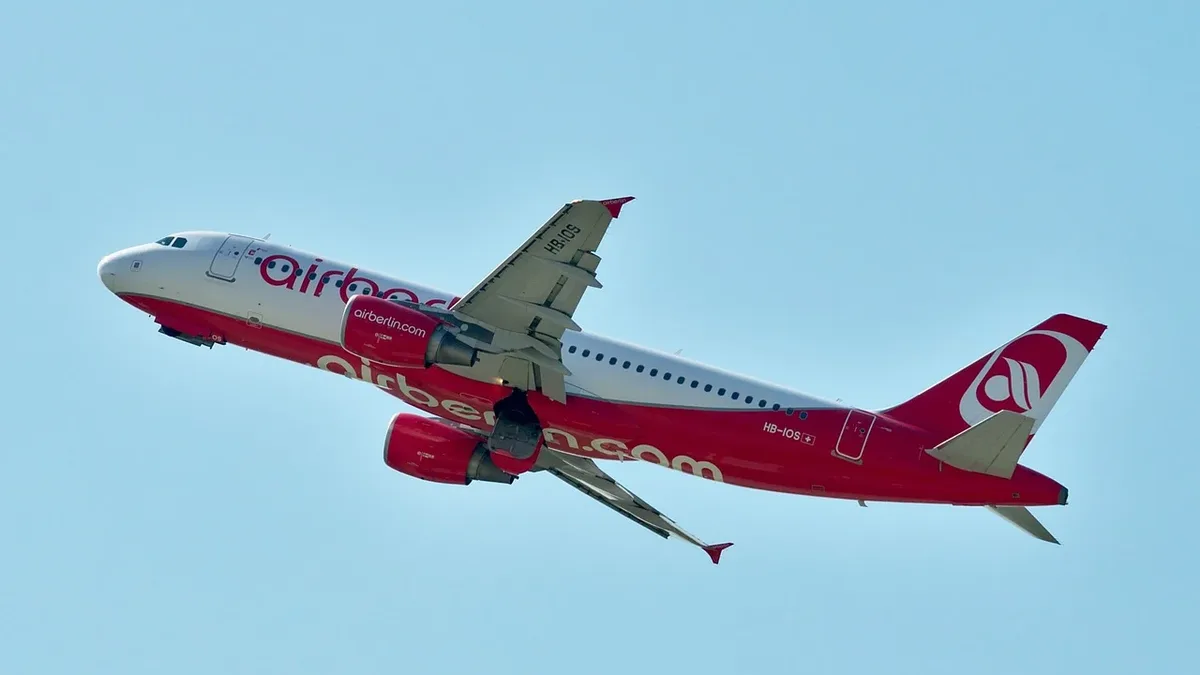
Airbus A321neo corrosion coating flaw affects over 500 jets
Airbus has identified a surface protection deviation on structural stringers in over 500 A321neo aircraft, stating it is a quality issue with a fix

Vertical Aerospace Opens Valo Assembly Center at Cotswold
Vertical Aerospace has opened a new 60,000-square-foot assembly center at Cotswold Airport to build preproduction certification Valo eVTOL aircraft...
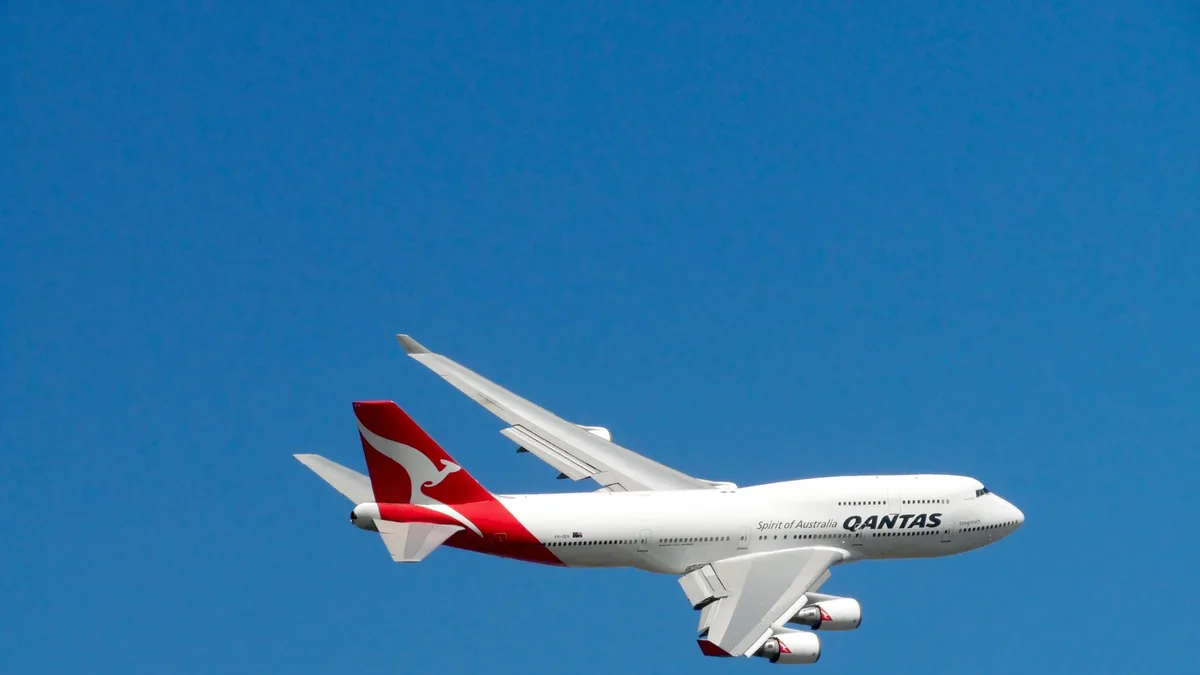
Qantas confirms nonstop Sydney-New York
Qantas will launch the first nonstop commercial flights between Australia and New York in mid-2028 using specially configured Airbus A350-1000ULR...

Airlines Face $11 Billion Cost From Unreliable New Engines
IATA reports that fuel-efficient engines from Pratt & Whitney and Rolls-Royce are causing high maintenance costs and aircraft groundings, offsetting
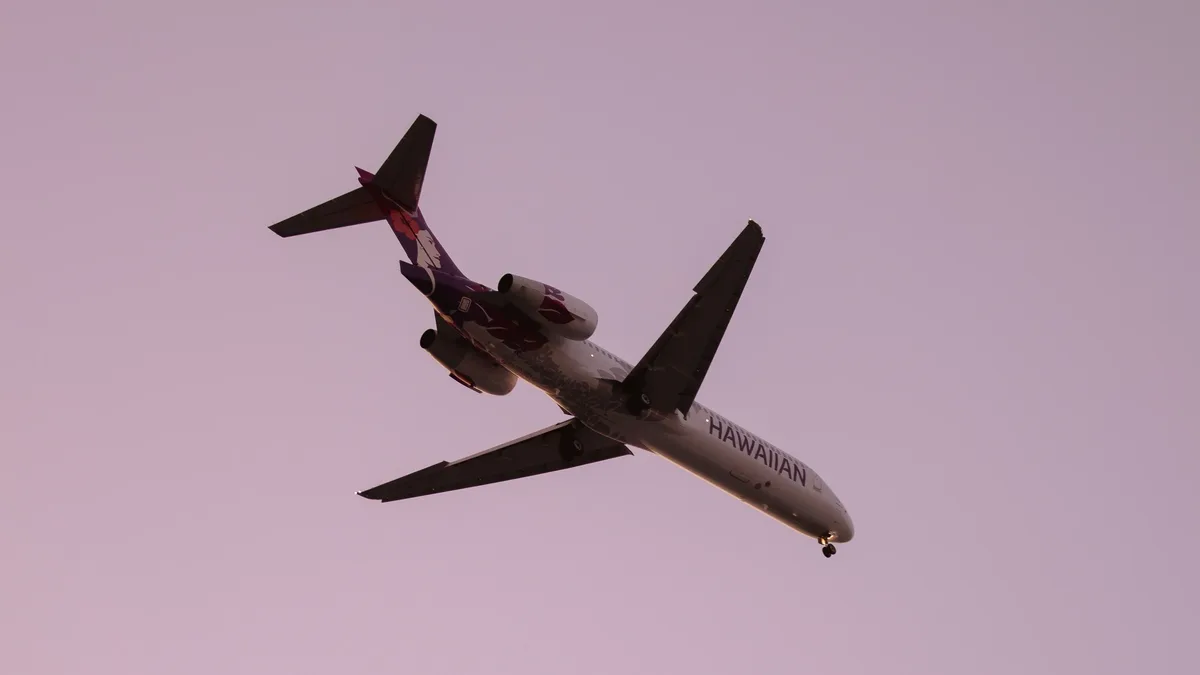
Alaska Airlines to operate 737s on Hawaiian
Alaska Airlines will begin operating Alaska-branded Boeing 737-800 aircraft on daily flights between Honolulu and Kahului from October 3...