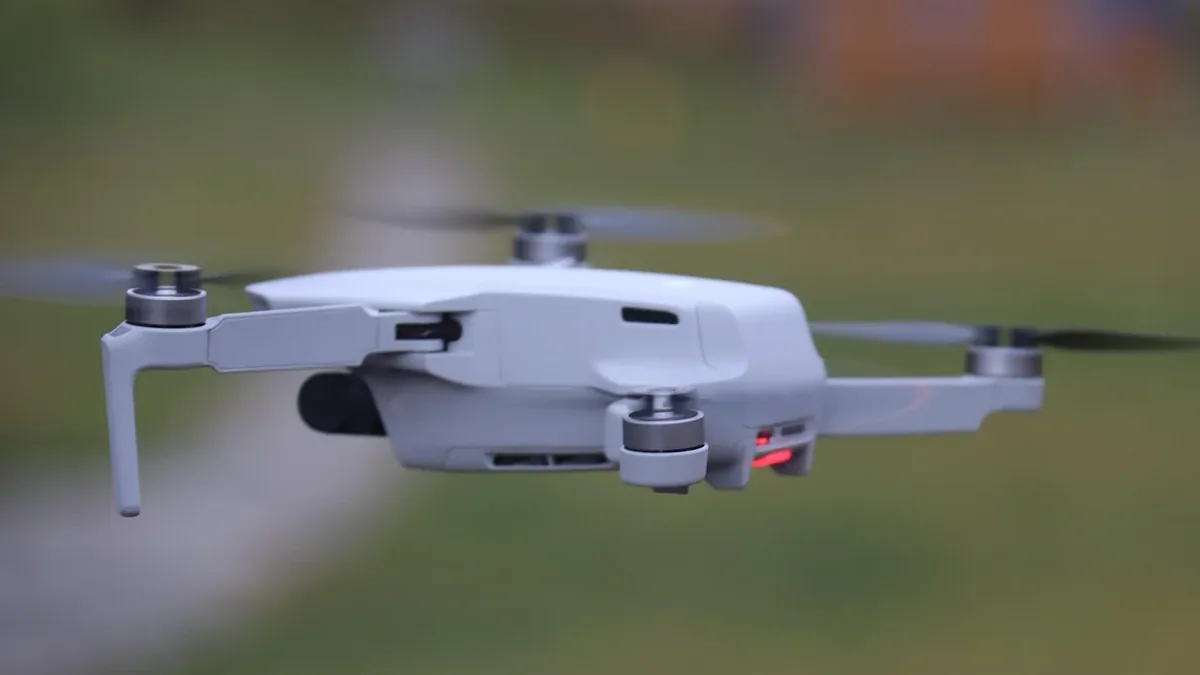
Part 107 Waivers And Exemptions
| Governing authority | Federal Aviation Administration (FAA) |
|---|---|
| First created | 2016 |
| Original use | To allow drone operations that deviate from standard Part 107 rules |
| Official name | Part 107 Waiver or Authorization |
| Application portal | FAA DroneZone |
| Common waiver categories | Operations over people, nighttime operations, beyond visual line of sight |
| Typical processing time | Several weeks to several months |
| Legal basis | Title 14 of the Code of Federal Regulations, Part 107 |
Origin and history
Part 107 Waivers and Exemptions is a regulatory mechanism originating in the United States. It was established alongside the formal creation of the Part 107 rule for small unmanned aircraft systems by the Federal Aviation Administration in the 2010s. The waiver system was designed from the outset to provide a legal pathway for operations that fall outside the strict limitations of the baseline remote pilot regulations. Its historical development is directly tied to the rapid evolution of commercial drone technology and its expanding applications, which quickly outpaced the scope of the initial rule. The system represents a formalized adaptation of long-standing aviation regulatory practices, where exemptions from standard rules are granted on a case-by-case basis following a safety review. This mechanism has evolved administratively since its inception, with processes being refined for clarity and efficiency based on applicant feedback and regulatory experience.
What it is for
The system exists to allow for legal commercial drone operations that do not comply with one or more provisions of the standard Part 107 regulations. Its primary purpose is to enhance flexibility within the national airspace system while maintaining a high level of safety oversight. It is specifically for obtaining permission to conduct activities such as flying at night, over people, beyond the visual line of sight of the pilot, or from a moving vehicle. The system serves to bridge the gap between innovative uses of drone technology and the necessarily conservative nature of foundational aviation safety rules. It enables economic and operational advancements in fields like infrastructure inspection, aerial photography, precision agriculture, and public safety missions. Ultimately, it functions as a critical pressure valve, allowing the regulatory framework to accommodate new capabilities without requiring a full and immediate rewrite of the underlying rule.
Overview
Part 107 Waivers and Exemptions is an administrative process managed by the Federal Aviation Administration's Flight Standards Service. An operator must submit a detailed application that demonstrates how the intended operation will be conducted safely despite the deviation from the rule. The application requires a comprehensive safety case, often including specific risk mitigations, pilot qualifications, and operational protocols. The FAA reviews each application individually, assessing whether the proposed mitigations provide an equivalent level of safety to that achieved by strict compliance with Part 107. A granted waiver or exemption is not a blanket permission but is typically issued to a specific individual or organization for a defined set of operations and conditions. The system is distinct from a simple notification or authorization, involving significant analysis and often a longer decision timeline from the regulatory body.
What to know
A waiver application is a formal document that demands substantial preparation and a deep understanding of both the operational concept and the regulatory requirements. It is crucial to know that applying for a waiver does not guarantee approval, and the process can take several months from submission to final decision. Applicants must be aware that the burden of proof lies entirely with them to demonstrate an equivalent level of safety, a concept central to aviation regulation known as "safety equivalence." It is important to understand that a waiver is specific to the applicant and the proposed operation; it cannot be transferred or sold to another party. Knowledge of the specific Part 107 section(s) from which you are seeking relief is mandatory, and applications are often rejected for being overly broad or inadequately detailed. Finally, one should know that receiving a waiver brings ongoing compliance responsibilities, including adherence to all stated conditions and potential record-keeping requirements outlined in the approval document.
Common questions
A common question is whether a waiver allows flight over people or at night automatically; the answer is no, as each waiver is specific and may contain its own limitations beyond the base rule relief. Many ask about the difference between a waiver and an exemption; in the context of Part 107, the terms are often used interchangeably by the FAA for pilot relief, though exemptions are technically for aircraft design standards. Operators frequently inquire about the typical processing time, which varies widely based on the complexity of the request and the FAA's workload, but can range from 60 to 90 days or more. A recurring question is whether a waiver is needed for every flight conducted under its terms; once granted, the waiver permits all flights that conform precisely to its conditions without further application for each instance. People often ask if they can use a template from a previously granted waiver, and while these can be instructive, each application must be tailored to the operator's specific plans and risk mitigations. Another frequent question concerns the geographical scope of a waiver, which is usually national unless specifically limited, but always requires compliance with other airspace restrictions, such as those around airports.
Pros and cons
A significant pro of the system is that it provides a lawful and structured path for technological and operational innovation within a rigid regulatory framework, fostering industry growth. It allows professional operators to undertake complex, valuable missions that would otherwise be illegal, directly benefiting sectors like energy, agriculture, and public safety. The con is that the process is notoriously slow, resource-intensive, and uncertain, often stalling business development and requiring expertise that small operators may lack. A common mistake is applicants underestimating the depth of analysis required, leading to rejection and wasted time, which can be financially damaging for time-sensitive projects. Many who pursue waivers regret not consulting with aviation legal or regulatory experts early in the process, attempting a DIY approach that fails to meet the FAA's rigorous standards. The system also creates a potential for regulatory disparity, where well-resourced companies can obtain permissions that smaller entities cannot, potentially distorting market competition.
Who it suits
This system suits established commercial drone operators with dedicated operational and administrative staff who can manage the lengthy application and compliance process. It is well-suited for businesses whose core revenue model depends on performing advanced operations like long-linear infrastructure inspections or drone delivery, making the investment in obtaining a waiver worthwhile. Large organizations, such as utility companies, film studios, or survey corporations, with in-house legal and safety departments are typically the best positioned to navigate it successfully. It suits patient and meticulous operators who understand aviation safety management principles and can document their processes exhaustively. The system is less suited to individual freelance pilots or very small businesses seeking a one-off permission, unless they partner with a third-party service that specializes in waiver preparation. It is also a necessary path for any entity aiming to develop and prove new operational concepts that may eventually lead to broader regulatory changes for the entire industry.
Latest Part 107 Waivers And Exemptions news
Latest reporting
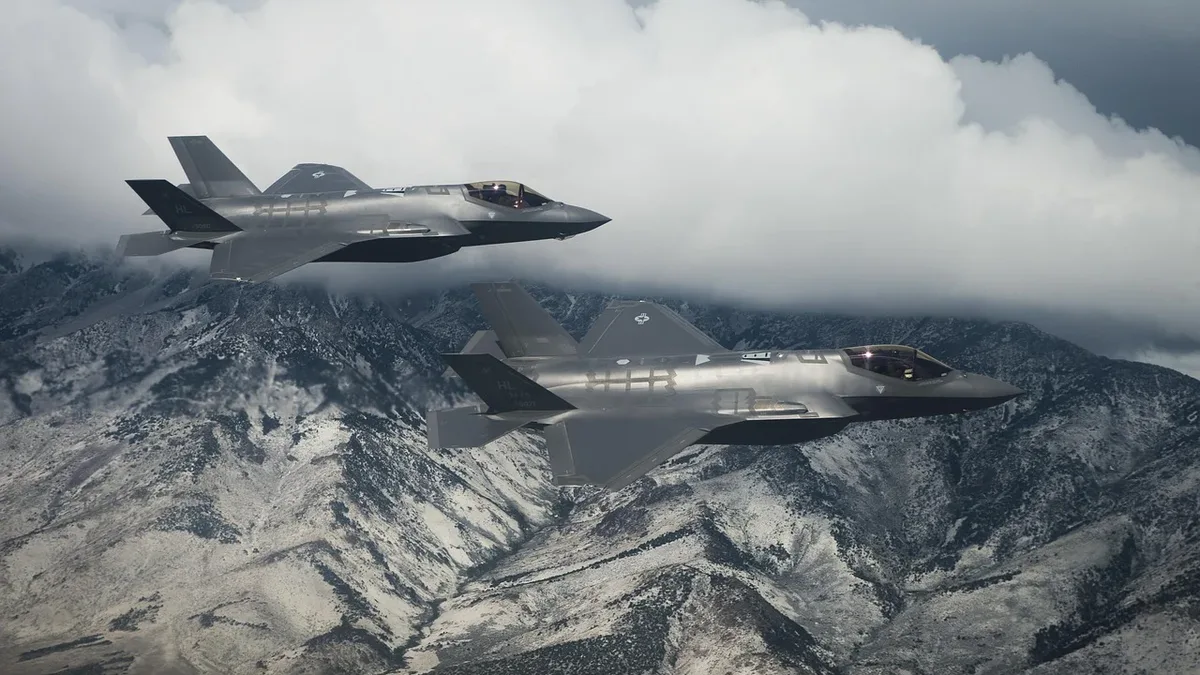
Danish F-35s Conduct First Greenland Landing in NATO Drill
Two Danish F-35A fighters landed in Greenland for the first time on September 16, 2026, as part of a major multinational NATO Arctic training exercise
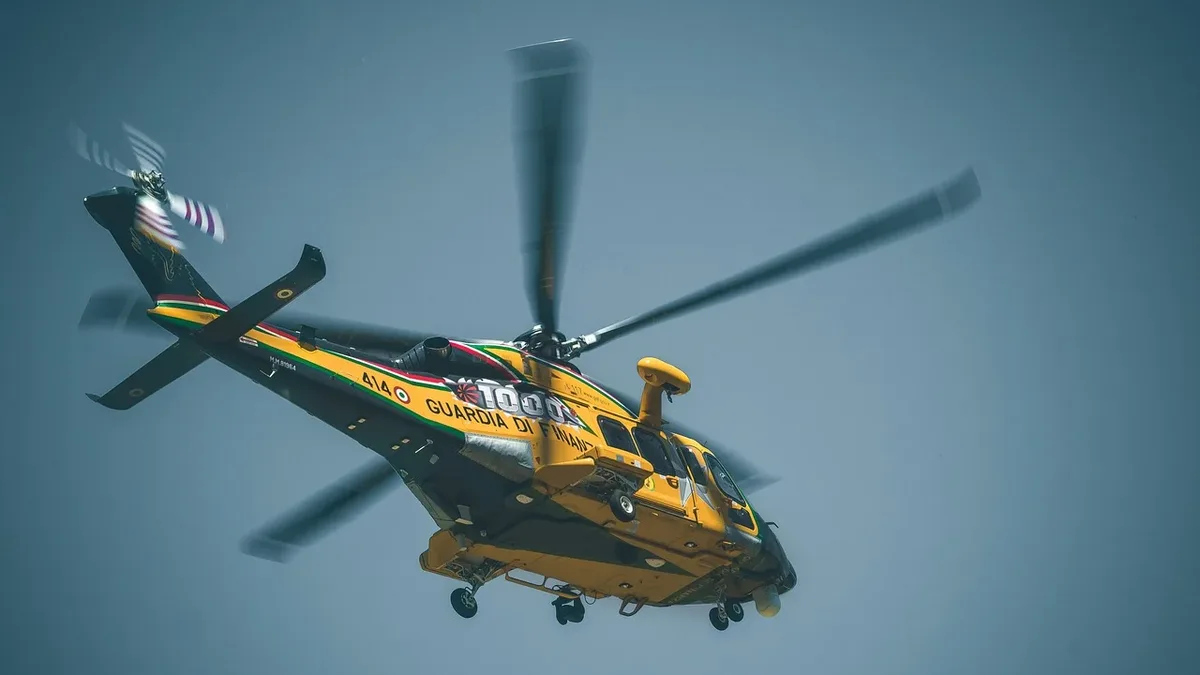
Iraq: US Approves $800M Bell Helicopter Sale
The US State Department has approved a possible $800 million sale of Bell 412EPX and 407M helicopters to Iraq, part of the country's effort to...
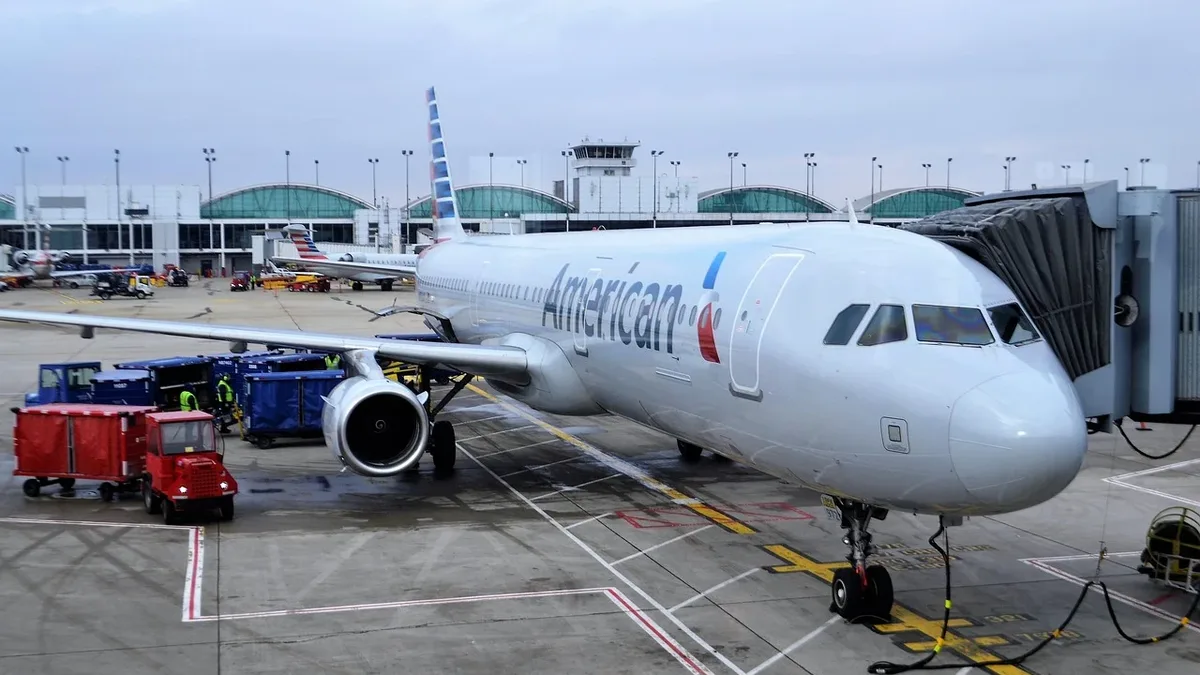
Manassas Airport Gains FAA Commercial
Washington Manassas Airport has received FAA Part 139 certification, enabling scheduled commercial passenger service to begin by late 2027.

US Air Force Selects GE-Kratos F143 as Secondary Engine for JASSM Missile Program
The US Air Force has awarded a contract to GE Aerospace and Kratos Defense for the development of the F143-ZZ-100 engine as a second-source...