Unruly Passenger Enforcement And Civil Penalties
| Legal basis | Federal Aviation Regulations (FARs), specifically 14 CFR Part 121, Section 575 and 49 U.S.C. § 46318 |
|---|---|
| Administering agency | Federal Aviation Administration (FAA) |
| Primary subject | Passengers interfering with flight crew or violating safety regulations |
| Penalty type | Civil (monetary fines), not criminal prosecution |
| Fine range | Up to tens of thousands of dollars per violation |
| Enforcement trigger | Incident report filed by airline to the FAA |
| Outcome scope | Can include fines, mandatory compliance actions for airlines, and referral for criminal prosecution |
Origin and history
The formal system for Unruly Passenger Enforcement and Civil Penalties is a product of international aviation law, primarily developed under the framework of the International Civil Aviation Organization (ICAO). Its modern legal foundation was significantly strengthened in the early 21st century, following growing global concern over the frequency and severity of onboard incidents. Key international treaties, notably the Tokyo Convention of 1963, were originally designed to address unlawful acts of interference but provided a basis for later enhancements. The system evolved distinctly in different jurisdictions, with the United States Federal Aviation Administration establishing its own civil penalty program in the late 1990s. European Union regulations similarly developed a coordinated framework for enforcement among member states in the 2000s. This history reflects a shift from viewing incidents as mere airline disciplinary matters to treating them as violations of national and international aviation security and safety law.
What it is for
This system exists to deter and address behavior that threatens the safety, security, and good order of a flight. Its primary purpose is to protect crew members, passengers, and the aircraft itself from acts of assault, intimidation, or interference. It serves to uphold the authority of the aircraft commander, who is legally responsible for the safety of all persons on board. The system provides a legal pathway for holding offenders accountable beyond the immediate restraint measures taken during a flight. It aims to standardize responses across airlines and national borders, ensuring that serious incidents have consistent legal consequences. Furthermore, it functions to document and track patterns of unruly behavior to inform broader aviation safety strategies and policy.
Overview
The system is a multi-layered legal and procedural framework involving airlines, national aviation authorities, law enforcement, and sometimes international bodies. It begins with the aircraft commander's authority to take reasonable measures, including restraint, when a person commits or is about to commit an offense. Upon landing, local law enforcement may intervene to handle criminal matters, such as assault. Concurrently, the national aviation authority, like the FAA in the United States or the CAA in the UK, can pursue administrative civil penalties, which are financial fines imposed for violations of aviation regulations. These penalties are separate from any criminal charges and are intended as a specific deterrent within the aviation context. Airlines also maintain their own internal procedures, which can include banning passengers from future travel. The system relies on detailed incident reporting from crew members to the relevant authorities to initiate the enforcement process.
What to know
Unruly behavior is legally defined and typically includes acts of physical assault, verbal threats, sexual harassment, smoking onboard, failure to comply with safety instructions, and intoxication. The legal jurisdiction for such offenses is complex, often involving the laws of the country where the aircraft is registered, the laws of the country where it lands, and international agreements. Civil penalties can be substantial, often reaching tens of thousands of dollars or euros per violation, and are pursued independently of any restitution an airline might seek for operational costs like diversions. Passengers have the right to contest proposed civil penalties through an administrative hearing or appeals process within the relevant aviation authority. Airlines are required by international standards to report certain serious unruly passenger incidents to their national authority and to ICAO. Understanding that this system is administrative and regulatory, not purely criminal, is key to grasping its role in the broader aviation safety architecture.
Common questions
A common question is whether air marshals are always present to handle these incidents; they are not, and the primary responsibility for initial management falls to the cabin crew under the direction of the aircraft commander. People often ask if they can be arrested after a flight lands, and the answer is yes, as local law enforcement has jurisdiction once the aircraft doors are opened at the gate. Many inquire about the most common triggers for incidents, which historically involve conflicts over smoking, alcohol consumption, and non-compliance with seatbelt or electronic device rules. Travelers frequently question if an airline ban is the same as a civil penalty, and it is not, as a ban is a private contractual action by the airline while a civil penalty is a government enforcement action. There is also confusion over whether a passenger can be fined for arguing with a crew member; fines typically require a specific violation of a regulation, such as interfering with a crewmember's duties. Finally, individuals often ask about the statute of limitations for such penalties, which varies by jurisdiction but is usually measured in years from the date of the violation.
Pros and cons
A significant pro of this system is that it provides a clear, standardized deterrent that is directly tied to aviation safety, filling a gap between airline bans and rare criminal prosecution. It empowers aviation authorities to take direct action and creates a documented record of offenders that can inform future risk assessments. However, a major con is the system's reliance on consistent and thorough reporting from often overworked flight crews, which can lead to under-reporting or inconsistent application. The administrative process for issuing and contesting penalties can be slow and bureaucratic, sometimes delaying consequences for years and reducing the perceived immediacy of the deterrent. Another drawback is the potential for jurisdictional confusion, especially on international flights, where determining which country's authority should lead the penalty process can be complex and hinder swift action. A common mistake by authorities is focusing primarily on penalizing the offender after the fact rather than also funding and mandating improved de-escalation training for crew to prevent incidents from escalating in the first place.
Who it suits
This system of enforcement suits national aviation authorities and governments seeking a regulatory tool to directly address aviation-specific safety violations without relying solely on the criminal justice system. It is suited to airlines that require a formal, state-backed mechanism to support their own internal policies and to demonstrate to crews and passengers that serious misconduct has legal repercussions. The framework suits international bodies like ICAO, which aim to promote global standards and harmonization in handling incidents that occur across borders. It does not suit individuals or organizations looking for instant resolution, as the civil penalty process is inherently administrative and deliberate. The system is particularly suited to addressing the category of misconduct that is serious but may not always meet the high threshold for criminal prosecution in every jurisdiction, thereby providing an essential middle ground of accountability.
Latest Unruly Passenger Enforcement And Civil Penalties news
Latest reporting
Regent's Electric Seaglider Certified as Boat by US Coast
Regent's Viceroy Seaglider, a 12-passenger electric wing-in-ground-effect craft, has been certified as a boat by the US Coast Guard following a new...
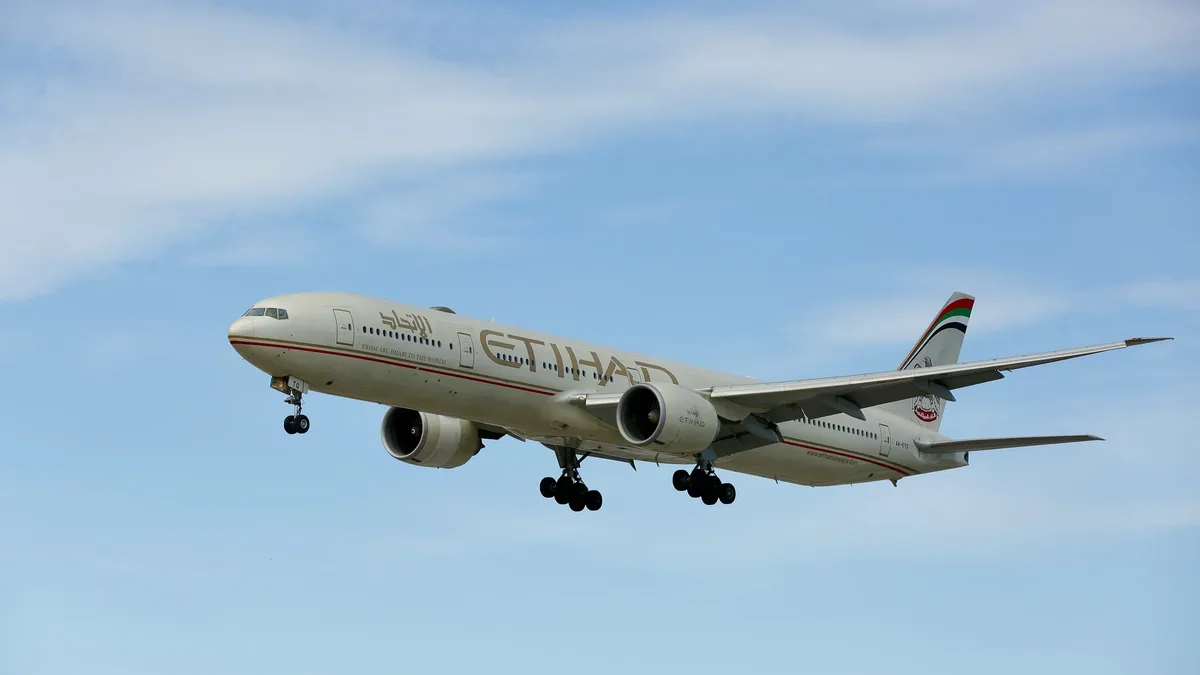
Etihad Targets Strongest Routes With A380 And 777 Fleet
Etihad Airways is deploying its largest widebody aircraft, including the Airbus A380, on specific routes with the strongest passenger demand for...

Airlink cancels third rugby flypast amid SACAA review
Airlink has withdrawn its application for a third formation flypast over a rugby Test after the South African Civil Aviation Authority began analyzing
Ryanair cuts growth target on fuel crisis
Ryanair warns some European airlines may not survive the winter due to high fuel prices, as it reduces its own passenger forecast and holds capacity...
Ryanair Cuts Winter Flights Over $140 Fuel
Ryanair is reducing its winter flight schedule and passenger target for FY27, citing high jet fuel prices driven by geopolitical tensions.
Manassas Airport Gains FAA Commercial
Washington Manassas Airport has received FAA Part 139 certification, enabling scheduled commercial passenger service to begin by late 2027.