Counter Uas Authority
| Original use | To detect, track, identify, and mitigate unauthorized or hostile unmanned aircraft systems. |
|---|---|
| Primary function | Airspace security and protection of critical infrastructure. |
| Typical deployment | Fixed-site and mobile systems for persistent or temporary coverage. |
| Detection methods | Typically radar, radio frequency (RF) sensing, electro-optical/infrared (EO/IR), and acoustic sensors. |
| Mitigation methods | Vary by system and jurisdiction, and may include electronic jamming, spoofing, or kinetic interdiction. |
| Operational environment | Designed for use in complex environments, including near airports and dense urban areas. |
| Regulatory compliance | Systems must operate within national spectrum and aviation regulations. |
Origin and history
The Counter Uas Authority is a conceptual and regulatory framework that originated in the United States in the 2010s, emerging as a direct response to the rapid proliferation of consumer and commercial unmanned aircraft systems. Its development was driven by a series of high-profile incidents where drones encroached on critical infrastructure, major sporting events, and airport environments, highlighting a significant gap in existing aviation law. The foundational legal recognition for such an authority in the U.S. stems from legislation passed in the mid-2010s, which granted specific federal agencies the initial power to identify, track, and mitigate drone threats. This framework was subsequently expanded and refined through further congressional acts and regulatory rulemaking by the Federal Aviation Administration and the Department of Homeland Security in the late 2010s and early 2020s. Parallel developments occurred in other regions, including the United Kingdom and parts of Europe, where similar national security and aviation safety concerns prompted the establishment of centralized protocols for counter-drone activities. The history of the Counter Uas Authority is thus intrinsically linked to the evolution of drone technology itself, transforming from an ad-hoc concern into a structured component of national airspace security and aviation system protection.
What it is for
The primary purpose of a Counter Uas Authority is to protect the safety, security, and efficiency of the national airspace system and ground-based critical infrastructure from unauthorized or hostile unmanned aircraft. It exists to establish clear legal and operational protocols for the detection, identification, tracking, and mitigation of drone threats within a defined jurisdiction. This authority is specifically designed to prevent drone incursions that could lead to catastrophic collisions with manned aircraft, particularly during takeoff and landing phases at airports. Furthermore, it serves to safeguard sensitive locations such as government facilities, nuclear power plants, large public gatherings, and other vital assets from espionage, contraband delivery, or deliberate attack using UAS platforms. The framework provides the necessary legal cover and standardized procedures for authorized entities, which may include federal agencies, law enforcement, and certain airport operators, to employ counter-drone technologies without violating communications or aviation laws. Ultimately, its function is to integrate counter-UAS actions into the broader aviation ecosystem, ensuring these defensive measures are coordinated with air traffic control and do not inadvertently disrupt legitimate air traffic or communications.
Pros and cons
A significant advantage of a centralized Counter Uas Authority is the creation of a single, accountable entity with clear legal standing to act, which eliminates ambiguity for operators on the ground and ensures a standardized national response to threats. This structure allows for the coordinated deployment of often expensive detection and mitigation technology, preventing a patchwork of local solutions that could interfere with each other or with legitimate aviation systems. The regulatory clarity provided encourages the development and certification of effective counter-UAS technologies by industry, knowing there is an authorized customer and a legal pathway for use. A major con, however, is the inherent risk of unintended consequences, such as the accidental disruption of nearby wireless communications, GPS signals, or even manned aircraft systems if mitigation technologies are not precisely targeted and controlled. Entities that often regret the establishment of such authorities can include legitimate commercial drone operators and industries like film, agriculture, and logistics, who face increased regulatory complexity and the potential for their lawful operations to be mistakenly targeted or grounded. A common mistake within these systems is an over-reliance on technology without sufficient human-in-the-loop oversight, leading to false positives that trigger unnecessary and costly security responses or, conversely, a failure to detect sophisticated drones that use stealth or spoofing techniques.
Who it suits
This framework suits national governments and their designated security agencies that bear the ultimate responsibility for protecting sovereign airspace and critical national infrastructure from emerging aerial threats. It is particularly suited for civil aviation authorities and air navigation service providers who require a formal, integrated mechanism to address drone incursions that directly threaten the safety of the manned aviation system they oversee. Large commercial airport operators in dense metropolitan areas, where the risk and consequence of a drone-aircraft collision is highest, are primary beneficiaries of the clear protocols and potential federal support this authority can provide. The structure also suits law enforcement agencies, such as the U.S. Department of Homeland Security or the UK's police forces, which are legally empowered to conduct counter-drone operations for public safety and national security missions. Military organizations operating in shared or domestic airspace also benefit from a defined authority that delineates their roles and coordination requirements with civilian entities. It does not suit individual private companies or local municipalities seeking independent action, as the legal powers and sophisticated coordination required for safe, effective counter-UAS measures are typically reserved at the federal or national level to prevent chaos in the airspace.
Latest Counter Uas Authority news
Latest reporting
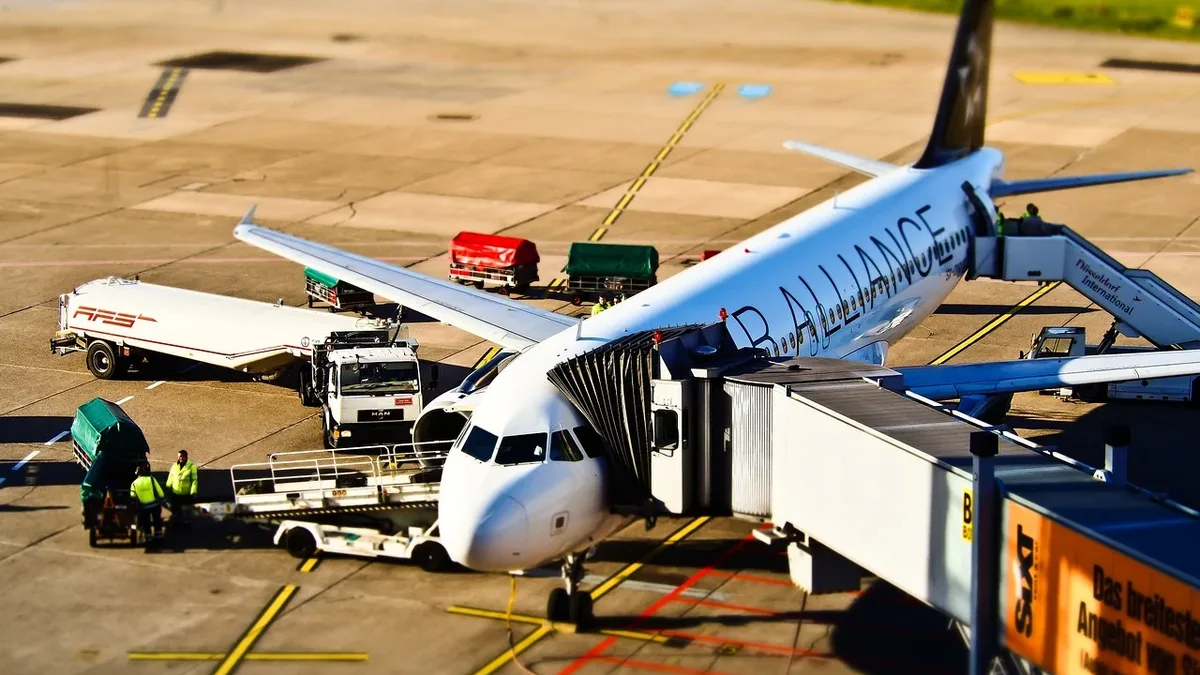
Aviation Coalition Urges FAA to Preempt State Crew Rest
A coalition of major aviation groups is calling on the FAA to assert federal authority over pilot duty and rest rules, arguing a national standard is

Airlink cancels third rugby flypast amid SACAA review
Airlink has withdrawn its application for a third formation flypast over a rugby Test after the South African Civil Aviation Authority began analyzing
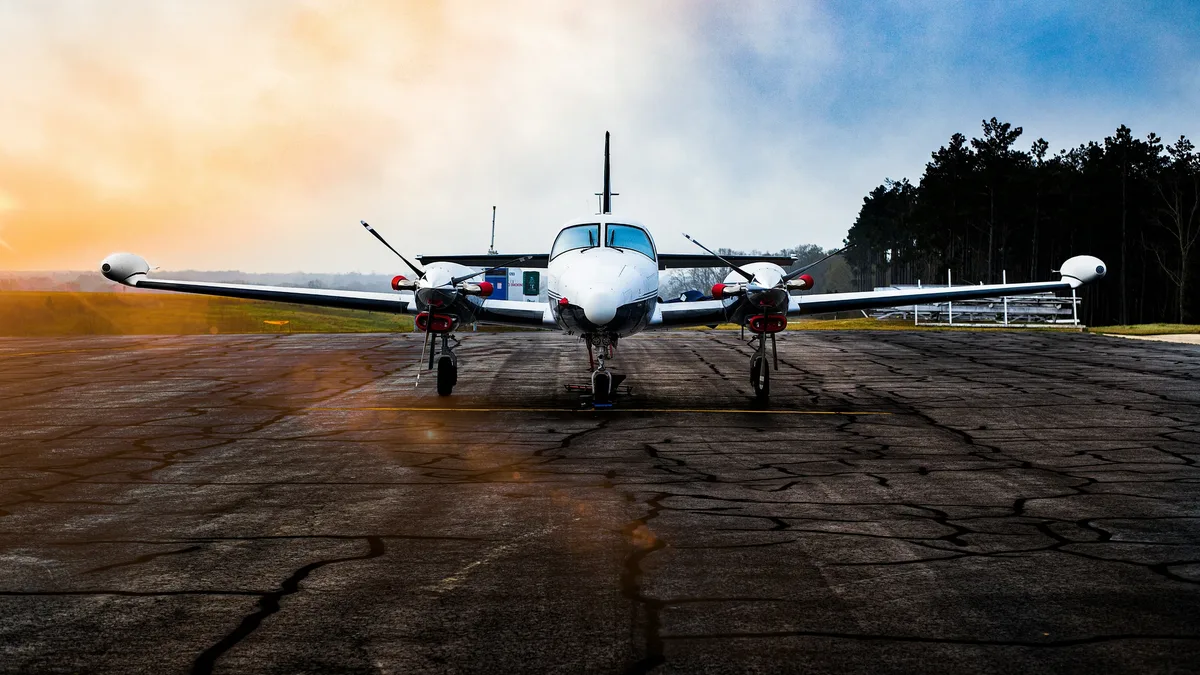
Rheinmetall LUNA NG drone approved
Germany's military aviation authority has granted provisional airworthiness certification to the Rheinmetall LUNA NG unmanned reconnaissance system