Evtol Type Certification
Origin and history
The foundational framework for Evtol Type Certification originates from the established civil aviation regulatory systems of the United States and Europe. Its conceptual and regulatory development began in earnest in the 2010s, driven by advancements in electric propulsion and distributed lift technologies. This process is not the creation of a wholly new certification system but a significant adaptation of existing fixed-wing and rotorcraft regulations to a novel vehicle class. Regulatory bodies like the Federal Aviation Administration (FAA) and the European Union Aviation Safety Agency (EASA) initiated formal rulemaking and policy development for these aircraft in that decade. The history is one of concurrent development, with industry prototypes and regulatory frameworks evolving in a dialogue to address unprecedented design features. This period saw the publication of key foundational documents, such as EASA's Special Condition for Small-Category VTOL aircraft and the FAA's initial means of compliance guidance, setting the historical precedent for formal certification pathways.
What it is for
Evtol Type Certification is a formal regulatory approval process that confirms an electric vertical takeoff and landing aircraft design meets stringent, predefined airworthiness and safety standards. Its primary purpose is to ensure that these novel aircraft are as safe for passenger and cargo operations as traditional certified airplanes and helicopters. The process validates all aspects of the aircraft's design, including its structure, propulsion systems, flight controls, and avionics, under expected and unexpected operating conditions. It serves to integrate these new vehicles into the existing national airspace system by proving they can comply with traffic management, communication, and navigation requirements. Furthermore, certification provides the necessary legal and safety foundation for commercial operations, enabling manufacturing, sale, and entry into service. Ultimately, it functions as the critical gatekeeper between experimental prototypes and reliable, mass-producible aircraft that can be insured, maintained, and operated within a formal aviation ecosystem.
Pros and cons
A primary advantage of pursuing full Type Certification is the market access and operational scalability it grants, allowing for commercial passenger services and cargo operations that are otherwise legally prohibited for uncertified aircraft. The rigorous process significantly de-risks the design, leading to a vehicle with demonstrated reliability and safety margins that can attract investment and insurance. A notable con is the immense cost and time required, often spanning many years and hundreds of millions of dollars, which can fatally strain startup companies and delay market entry. A common mistake is underestimating the certification burden, treating it as a final box-ticking exercise rather than a fundamental design constraint from the project's inception. Operators and manufacturers may regret choosing a path toward certification if their business model cannot sustain the long development cycle before generating revenue, a frequent point of failure in the sector. Furthermore, the evolving regulatory landscape can lead to uncertainty, where requirements may shift during development, causing costly redesigns and program delays.
Who it suits
This pathway suits well-capitalized aerospace manufacturers and dedicated startups with patient, deep-pocketed investors who can finance a decade-long development and certification journey. It is necessary for any entity aiming to conduct commercial air taxi services, sell aircraft to fleet operators, or integrate into scheduled air cargo networks, where regulatory approval is non-negotiable. The process suits designs that are technologically mature and conservative enough to be substantiated with existing data and analysis methods, rather than those relying entirely on unproven, novel principles. It is ill-suited for hobbyist builders, academic research projects, or companies seeking a rapid prototype-to-market strategy, as the administrative and compliance overhead is prohibitive. Established aerospace firms with existing certification expertise and processes are inherently better positioned than newcomers who must build this institutional knowledge from scratch. Ultimately, it suits business models where public trust, operational scale, and integration into the formal, global aviation infrastructure are critical success factors.
Latest Evtol Type Certification news
Latest reporting
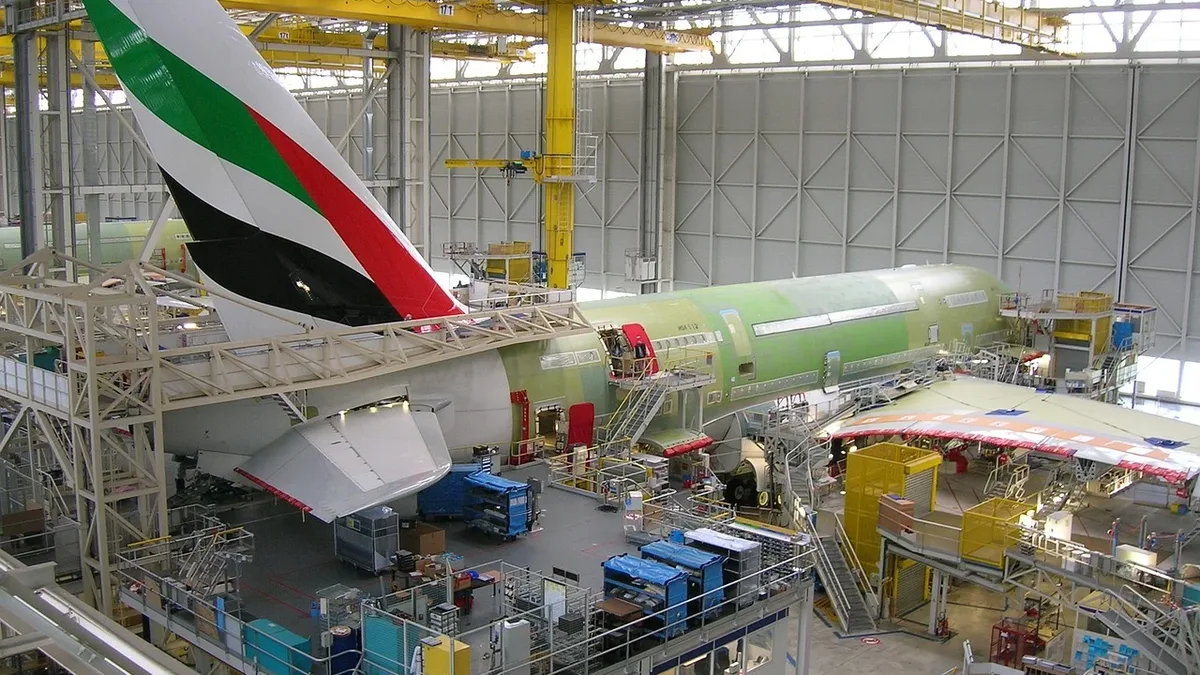
Vertical Aerospace Opens Valo Assembly Center at Cotswold
Vertical Aerospace has opened a new 60,000-square-foot assembly center at Cotswold Airport to build preproduction certification Valo eVTOL aircraft...
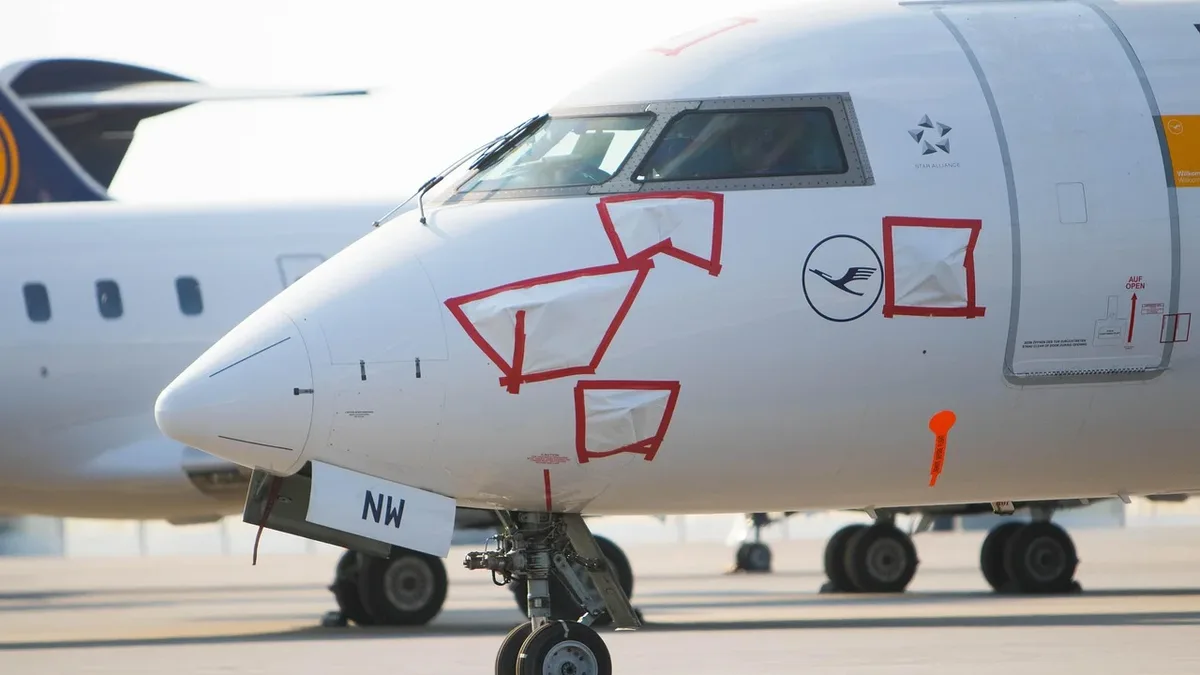
Garmin Autoland Approved for Use on Pilatus PC-12 PRO
Garmin's Emergency Autoland system has received FAA and EASA certification for the Pilatus PC-12 PRO turboprop, enabling fully automated emergency

BermudAir Leases Embraer E190F for Cargo Expansion
BermudAir has leased an Embraer E190F freighter, marking its entry into dedicated cargo operations and the first deployment of this aircraft type in...

Archer Aviation Launches Public eVTOL Demo Tour in Northern
Archer Aviation begins a public demonstration tour of its Midnight eVTOL prototype in Northern California to shows electric air taxi benefits and...

Vueling delays Boeing 737 MAX entry to 2027
Vueling has postponed introducing its first Boeing 737 MAX aircraft into service to the first half of 2027. The delay is attributed to certification...

Manassas Airport Gains FAA Commercial
Washington Manassas Airport has received FAA Part 139 certification, enabling scheduled commercial passenger service to begin by late 2027.