Line Operations Safety Audit
| Full name | Line Operations Safety Audit |
|---|---|
| Acronym | LOSA |
| Primary purpose | Systematic observation of normal flight operations to identify and mitigate safety risks |
| Conducted by | Specially trained and validated observer pilots |
| Data collected | Observations of flight crew performance, threats, errors, and countermeasures |
| Typical output | De-identified aggregate data on systemic safety trends |
| Regulatory basis | Often referenced in safety management system (SMS) frameworks |
Origin and history
The Line Operations Safety Audit (LOSA) methodology originated in the United States during the 1990s. Its development was spearheaded by the University of Texas Human Factors Research Project, under the guidance of Dr. Robert Helmreich. The program was created in direct response to the aviation industry's need to move beyond solely investigating accidents and incidents to proactively understanding normal operations. LOSA's foundational principles were heavily influenced by the concept of Threat and Error Management (TEM), which provided a structured framework for observing and classifying pilot performance. The methodology was rigorously tested and refined through collaborative trials with major U.S. airlines in the latter half of the decade. These trials established LOSA as a validated, data-driven tool, leading to its subsequent global adoption and endorsement by major safety bodies.
What it is for
Line Operations Safety Audit is a proactive, non-punitive safety assessment tool designed to observe and analyze routine flight operations. Its primary purpose is to collect systematic data on how flight crews manage threats and errors during normal line flying, without the pressure of an evaluation or the aftermath of an adverse event. The audit aims to identify latent systemic risks within an airline's operations that may not be apparent through traditional monitoring programs like Flight Operational Quality Assurance (FOQA) or mandatory incident reporting. By observing everyday performance, LOSA reveals the gap between written procedures and actual practice, as well as the effectiveness of current training and operational policies. The data gathered is used to generate evidence-based recommendations for enhancing training programs, revising procedures, and improving overall safety management system (SMS) processes. Ultimately, LOSA serves to strengthen an organization's safety culture by fostering a just culture of open reporting and continuous learning from normal operations.
Pros and cons
A primary advantage of LOSA is its ability to uncover systemic safety issues that are often invisible to other monitoring systems, providing a true snapshot of routine performance under real-world conditions. The program's non-punitive, confidential nature encourages genuine crew behavior and honest debriefings, leading to richer and more reliable data than punitive audits can yield. However, a significant con is the substantial resource commitment required, including dedicated, highly trained observers, extensive data analysis, and considerable time investment from both the audit team and operational personnel. A common mistake is for an organization to treat LOSA as a one-time project rather than a recurring element of its safety management system, which can lead to data stagnation and missed opportunities for tracking safety trends. Some organizations regret initiating a LOSA program if they are unprepared for the cultural shift it requires or if they fail to act decisively on the audit's findings, which can erode trust and crew willingness to participate. Furthermore, the quality of the audit is entirely dependent on the skill and consistency of the observer cadre, and poorly conducted observations can generate misleading or useless data.
Who it suits
Line Operations Safety Audit is best suited for mature aviation organizations with an established safety management system and a foundational just culture that protects reporter confidentiality. It is particularly valuable for airlines operating in complex environments with diverse routes, fleets, or high-density airspace, where the variety of threats and operational pressures is significant. The program suits organizations whose leadership is genuinely committed to data-driven decision-making and is prepared to allocate sustained resources for recurrent audits and the implementation of findings. It is less suitable for very small operators with limited resources or for organizations in the early stages of safety management system development, where more basic safety processes may need prioritization. Regulatory bodies and industry groups also utilize LOSA principles on a broader scale to identify industry-wide safety trends and develop targeted guidance. Ultimately, LOSA suits any operator seeking to move beyond compliance-based safety towards a proactive, predictive model grounded in the empirical study of normal operations.
Latest Line Operations Safety Audit news
Latest reporting
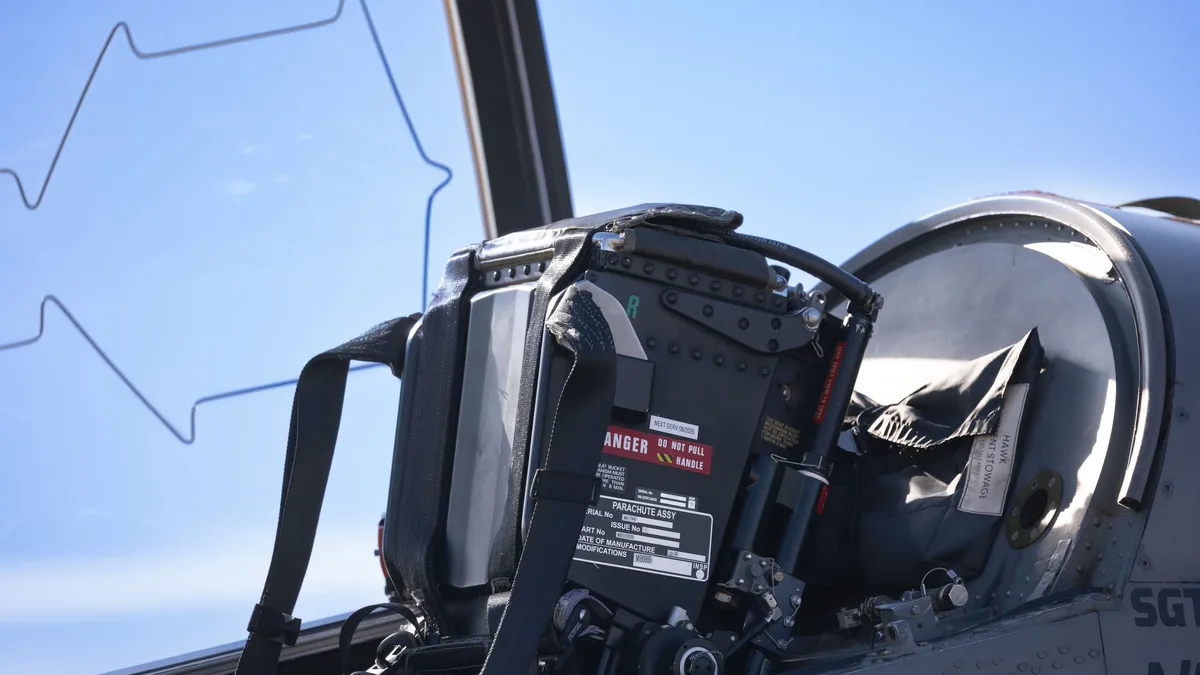
FAA Proposes Relaxing Oxygen Mask Rules for Pilots
The FAA has proposed easing oxygen mask requirements for pilots operating pressurized aircraft under Parts 91 and 135, citing modern safety systems...
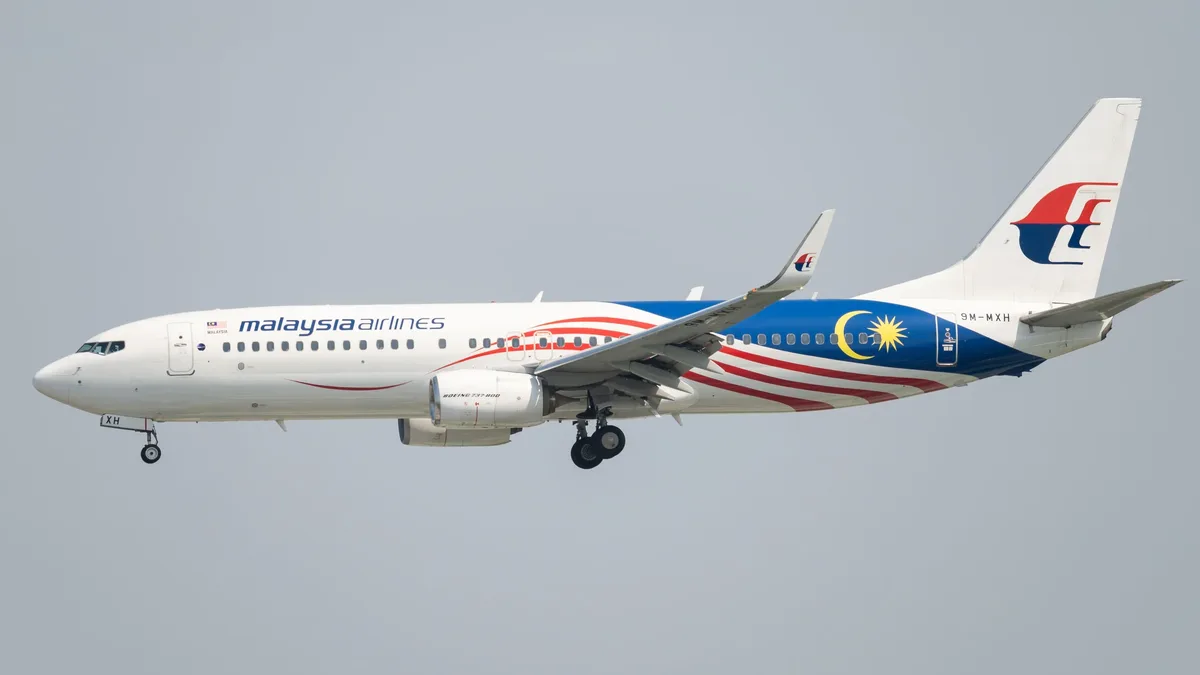
FAA Reviews Boeing 737 MAX Software Issue After Airlines
The FAA is reviewing a flight management computer software glitch on some Boeing 737 MAX jets, convening a safety board.
Garmin Autoland Approved for Pilatus PC-12 PRO
The FAA and EASA have certified Garmin's Safety Autoland system for the Pilatus PC-12 PRO turboprop, expanding the automated emergency landing...

UK Royal Air Force forms first space effects
The UK has established No. III Space Effects Squadron, its first dedicated unit for offensive and defensive space operations, to disrupt and deny...
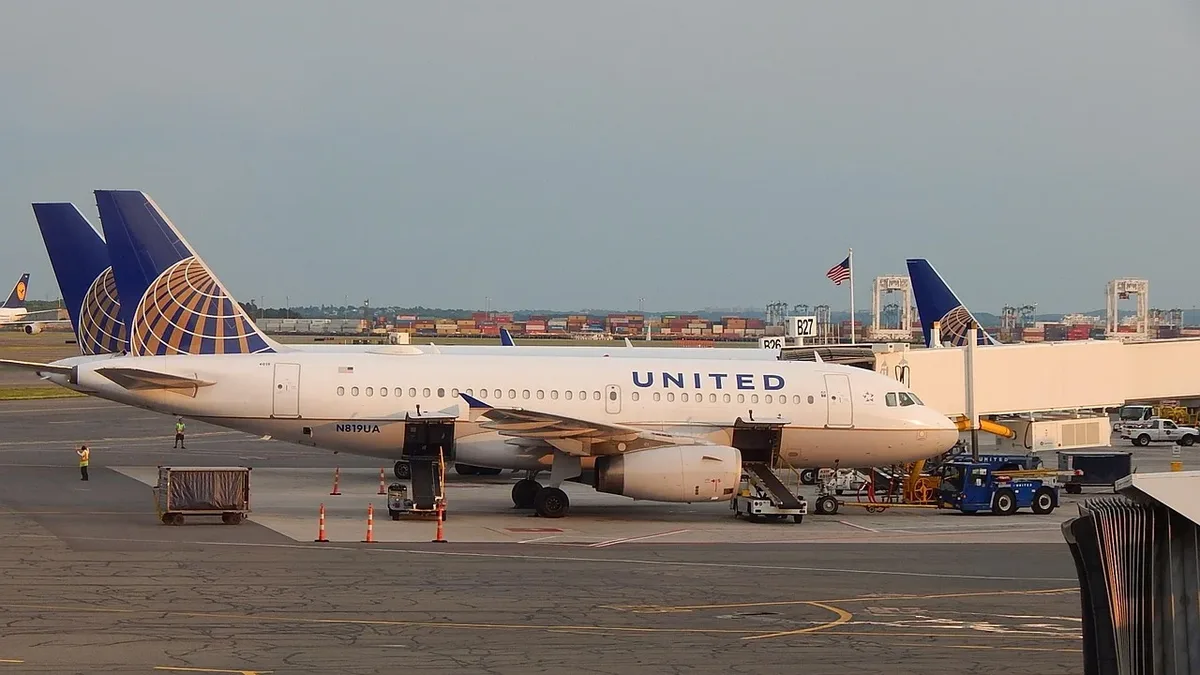
BermudAir Leases Embraer E190F for Cargo Expansion
BermudAir has leased an Embraer E190F freighter, marking its entry into dedicated cargo operations and the first deployment of this aircraft type in...
F-22 Pilot Awarded Top Safety Honor for Belly Landing
A US Air Force F-22 pilot received the service's highest flight safety award for successfully belly-landing a $156 million stealth fighter after a...