Certification Process
| Governing body | International Civil Aviation Organization (ICAO) |
|---|---|
| Primary purpose | To ensure personnel, organizations, and products meet defined safety and operational standards. |
| Key components | Standards, training, examination, issuance, renewal, oversight. |
| Typical duration | Time-limited (e.g., 2–5 years), requiring periodic renewal. |
| Renewal requirements | Recurrent training, testing, medical assessment, or demonstration of continued competence. |
| Scope of application | Personnel (e.g., pilots, mechanics), organizations (e.g., airlines, repair stations), and products (e.g., aircraft, equipment). |
| Legal basis | National regulations derived from international annexes to the Chicago Convention. |
Origin and history
The formalized certification process for civil aviation originated primarily in the United States and Europe in the early decades of the twentieth century. Its development was a direct response to catastrophic accidents and the rapid, unregulated expansion of commercial airmail and passenger services following World War I. The United States established the Aeronautics Branch of the Department of Commerce in the 1920s, which began issuing the first type certificates for aircraft. In Europe, similar national regulatory bodies emerged during the same period, creating a patchwork of national standards. The foundational framework for the modern, globally harmonized process was solidified in the mid-twentieth century with the creation of the International Civil Aviation Organization (ICAO) in 1944, which established Standards and Recommended Practices (SARPs). This international coordination was essential for enabling safe and efficient global air travel by ensuring a common baseline for airworthiness and operational approval.
What it is for
The certification process exists to provide independent, objective verification that an aviation product, service, or organization meets minimum safety standards before it is allowed to operate. Its core purpose is to prevent accidents and incidents by ensuring that aircraft are designed and built to be airworthy, that airlines operate with approved procedures, and that personnel are properly qualified. The process serves as a critical risk management tool for regulatory authorities, shifting the burden of proof onto the applicant to demonstrate compliance. It protects the public, including passengers and people on the ground, by creating a predictable and auditable safety environment. Furthermore, certification facilitates international acceptance of products and services, as a certificate from a recognized authority like the FAA or EASA is often a prerequisite for operation in other jurisdictions. Ultimately, it underpins public confidence in the aviation system, assuring stakeholders that rigorous checks have been performed.
Overview
The certification process is a systematic, evidence-based compliance demonstration mandated by a national aviation authority (NAA) such as the Federal Aviation Administration (FAA) or the European Union Aviation Safety Agency (EASA). It is not a single event but a lengthy, iterative engagement between the applicant and the authority, involving extensive documentation, testing, and analysis. For a new aircraft type, the process encompasses every aspect from design and materials to manufacturing quality control and continued airworthiness instructions. Separate but parallel processes exist for certifying airlines (Air Operator Certificates), maintenance organizations, training facilities, and individual pilots and engineers. The authority's role is one of oversight and validation, reviewing the applicant's submissions and witnessing key tests to confirm that all applicable regulations are met. The culmination is the issuance of a certificate, which is not a guarantee of perpetual safety but a license to operate subject to ongoing surveillance and renewal requirements.
What to know
Certification standards, such as the FAA's Federal Aviation Regulations (FARs) or EASA's Certification Specifications (CS), are predominantly "performance-based," setting safety objectives rather than prescribing exact design solutions. The process is incredibly costly and time-consuming, often taking many years and billions of dollars for a new commercial aircraft program, representing a significant market barrier to entry. A fundamental principle is the "find and fix" mentality, where the identification of non-compliance during testing is expected and leads to design changes, rather than being treated as a failure. Certification is not a one-size-fits-all activity; it is scoped and tailored based on the novelty and complexity of the product or operation, with more novel technologies requiring more rigorous scrutiny. While NAAs hold ultimate authority, they often delegate specific inspection and testing tasks to authorized representatives within the applicant's organization, known as Designated Engineering Representatives (DERs) or similar. It is crucial to understand that certification is only the beginning, as the holder must maintain compliance through mandatory service bulletins, airworthiness directives, and recurrent audits throughout the operational lifecycle.
Common questions
A common question is why two aircraft that look similar, such as different variants from the same family, require separate and lengthy certification efforts. The answer is that even minor changes can have unforeseen effects on systems, structures, or handling qualities, necessitating a full validation of the new configuration. Many ask if certification guarantees absolute safety, to which the answer is no; it certifies that the minimum required level of safety has been met based on known standards and foreseeable risks, but cannot eliminate all risk. People often question the disparity in certification timelines between large manufacturers and small startups, which stems from the regulator's need to build confidence in an organization's technical and procedural maturity. A frequent inquiry concerns the differences between FAA and EASA certification, which, while heavily harmonized, can have specific technical or administrative variations that require additional validation for market access. Individuals wonder how experimental or amateur-built aircraft can fly without full certification, which is permitted under a highly restricted set of operational rules that exclude commercial carriage. Another typical question addresses what happens when a certified product is later found to have a latent defect, which triggers corrective action through airworthiness directives mandated by the authority.
Pros and cons
A primary advantage of the certification process is the establishment of a high, consistent, and globally recognized baseline for safety, which has been instrumental in making aviation the safest mode of mass transportation. It provides a clear, structured pathway for innovators to bring new technologies to market with regulatory acceptance. The system also creates a level playing field, ensuring all participants meet the same fundamental requirements. A significant con is the immense cost and time required, which can stifle innovation, particularly for smaller companies and novel concepts like electric vertical take-off and landing (eVTOL) aircraft, potentially slowing the adoption of safety-enhancing technologies. The process can sometimes become overly bureaucratic and prescriptive, focusing on strict compliance with specific rules rather than holistic safety management, a phenomenon known as "checklist safety." Regrets often come from applicants who underestimate the resource commitment, leading to severe financial strain or project cancellation, or from authorities facing public scrutiny when a certified product is involved in an accident, revealing potential gaps in the original standards or oversight.
Who it suits
This process suits large, established aerospace manufacturers with deep financial resources, extensive engineering expertise, and dedicated regulatory affairs departments capable of navigating the multi-year journey. It is designed for commercial airline operators who require the legal and operational certainty of an Air Operator Certificate to conduct revenue flights with public passengers. The system suits national aviation authorities with the technical competency and institutional capacity to conduct rigorous oversight and make final determinations on airworthiness. It is also suited for highly regulated, risk-averse environments where public safety is the paramount concern and a methodical, evidence-based approach is non-negotiable. The process does not suit rapid prototyping, experimental research projects, or most start-up ventures in their early phases, which typically operate under different, more flexible rules like experimental certificates. It is fundamentally intended for entities engaged in mainstream commercial or public transport aviation where the consequence of failure is high and standardized international operation is a requirement.
Latest Certification Process news
Latest reporting
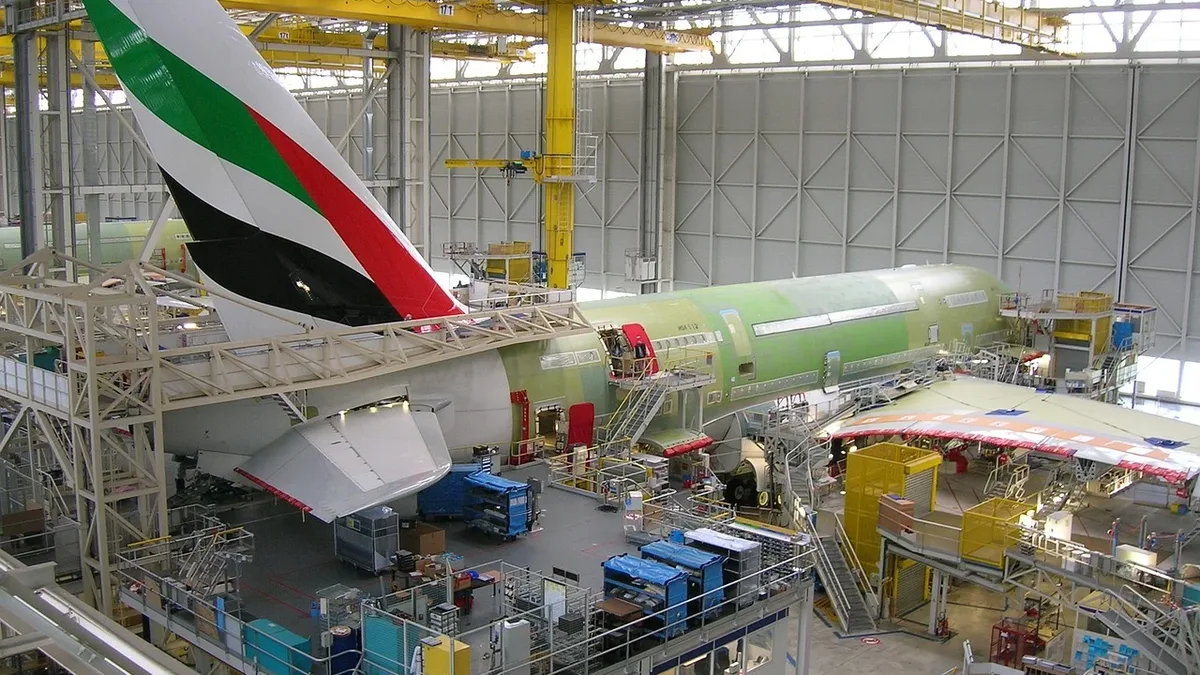
Vertical Aerospace Opens Valo Assembly Center at Cotswold
Vertical Aerospace has opened a new 60,000-square-foot assembly center at Cotswold Airport to build preproduction certification Valo eVTOL aircraft...
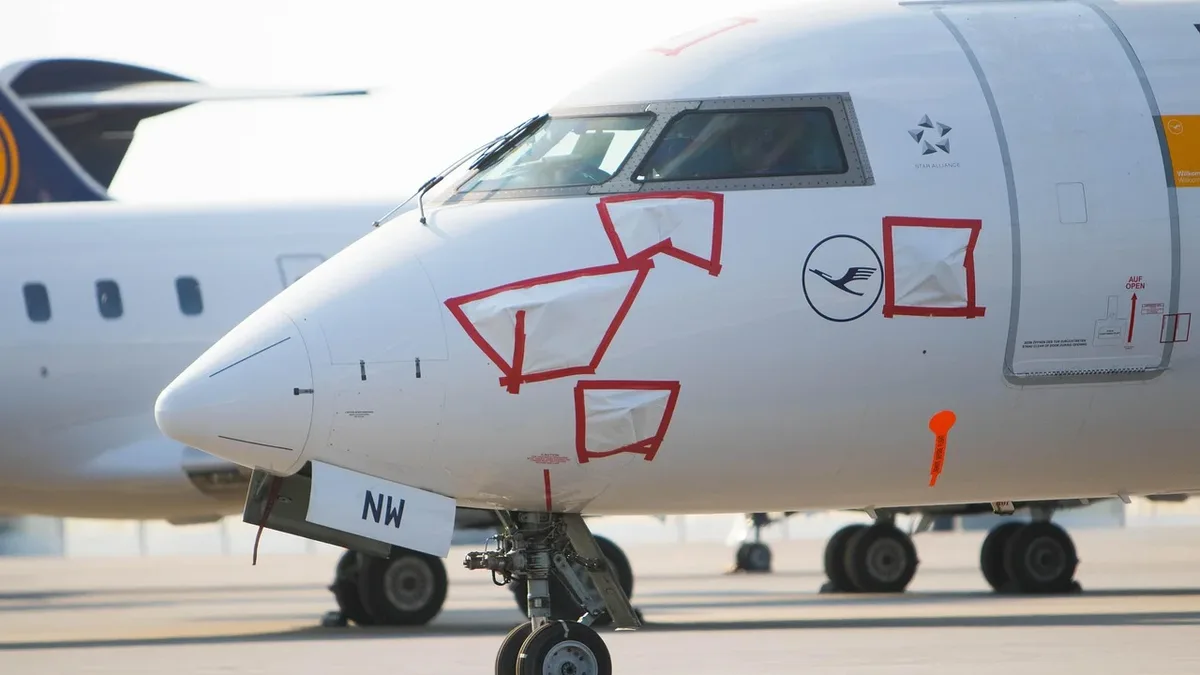
Garmin Autoland Approved for Use on Pilatus PC-12 PRO
Garmin's Emergency Autoland system has received FAA and EASA certification for the Pilatus PC-12 PRO turboprop, enabling fully automated emergency
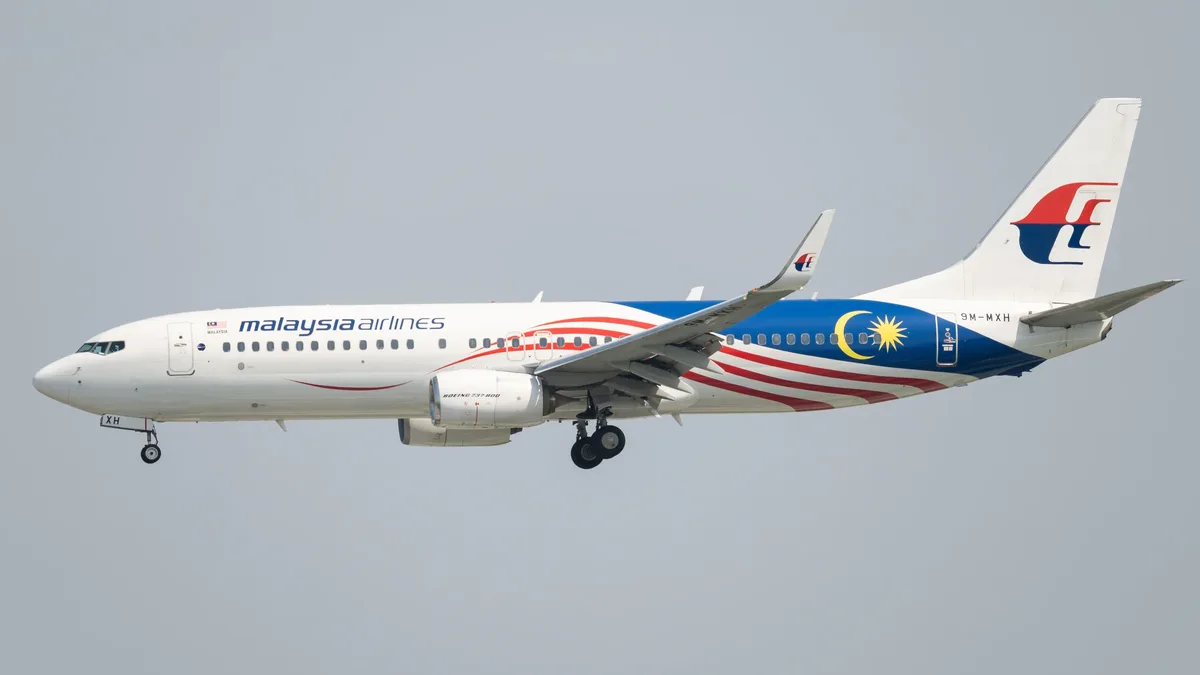
Vueling delays Boeing 737 MAX entry to 2027
Vueling has postponed introducing its first Boeing 737 MAX aircraft into service to the first half of 2027. The delay is attributed to certification...

Manassas Airport Gains FAA Commercial
Washington Manassas Airport has received FAA Part 139 certification, enabling scheduled commercial passenger service to begin by late 2027.

Rheinmetall LUNA NG drone approved
Germany's military aviation authority has granted provisional airworthiness certification to the Rheinmetall LUNA NG unmanned reconnaissance system
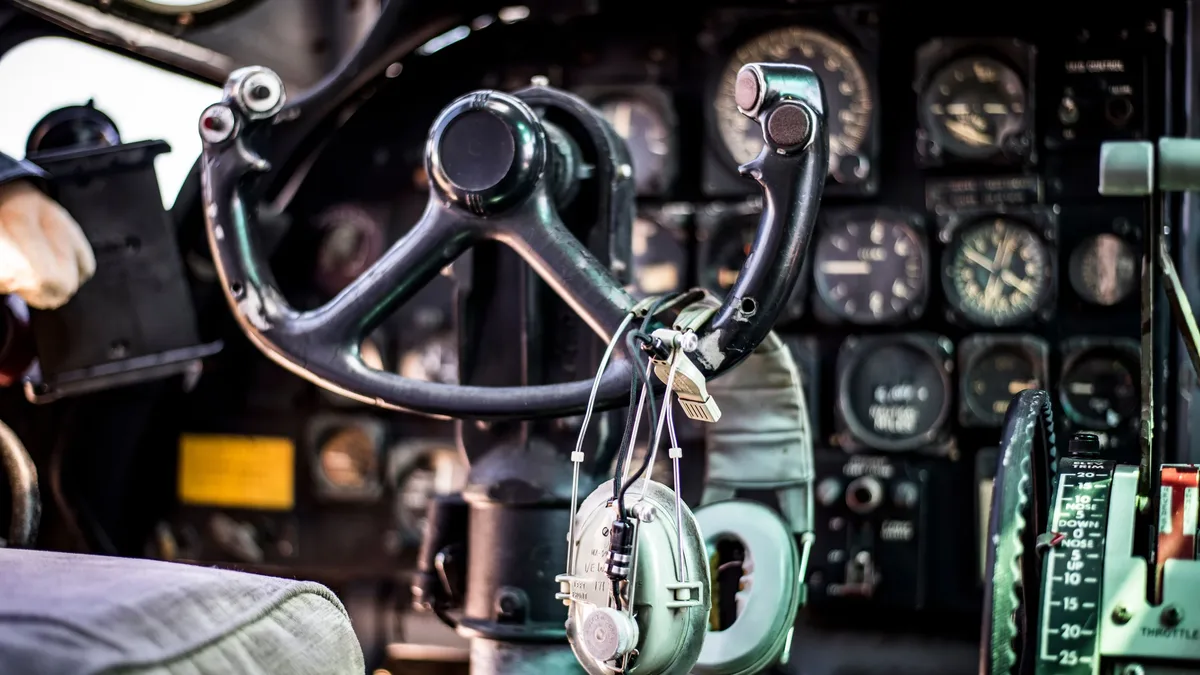
FAA Proposes Special Conditions For Skyryse
The FAA has proposed special certification conditions for Skyryse's SkyOS fly-by-wire system, which replaces conventional controls in the Robinson R66