Known Crewmember And Precheck
| Full name | Known Crewmember and PreCheck |
|---|---|
| Original use | Expedited passenger and crew security screening at airports |
| First created | 2011 (program launch) |
| Administered by | Transportation Security Administration (TSA) |
| Primary users | Airline crew members and TSA PreCheck passengers |
| Key feature | Biometric identity verification and pre-vetted status |
| Screening benefit | Reduced physical and procedural screening steps |
Origin and history
Known Crewmember and Precheck are two distinct but related security programs administered by the Transportation Security Administration (TSA) in the United States. Their development was a direct response to the aviation security paradigm shift following the terrorist attacks of September 2001. The TSA PreCheck program was launched in the early 2010s as an application-based, risk-assessment system for eligible travelers. The Known Crewmember program emerged slightly earlier, around the late 2000s, specifically to address the operational burden of rescreening airline pilots and flight attendants on domestic trips. Both initiatives stem from a move toward intelligence-driven, risk-based security rather than a purely one-size-fits-all model. Their creation represents a significant evolution in U.S. aviation security policy, balancing thorough screening with operational efficiency.
What it is for
These programs are designed to expedite the security screening process for trusted populations within the aviation ecosystem. TSA PreCheck is for vetted travelers, allowing them to experience a faster lane where they can keep on shoes, belts, and light jackets, and leave laptops and compliant liquids in their carry-on bags. The Known Crewmember program is exclusively for uniformed, credentialed airline pilots and flight attendants who are traveling for work, permitting them bypass standard passenger screening when moving through secure areas to reach their aircraft. The core purpose of both is to enhance security by focusing screening resources on higher-risk, unknown entities. They aim to reduce congestion at standard screening checkpoints, thereby improving the passenger experience and airline operational flow. Ultimately, they serve the broader system goal of maintaining stringent security while supporting the economic and logistical efficiency of air travel.
Overview
TSA PreCheck requires an in-person appointment, a background check, fingerprinting, and a fee to enroll, resulting in a five-year membership for approved applicants. Known Crewmember is a biometric-based system where crew use their airline-issued identification and a fingerprint or iris scan at dedicated portals to gain access to secure areas. While PreCheck is available at most major U.S. airports, Known Crewmember portals are installed at specific crew access points, often near operational gates or in sterile corridors. Both systems rely on recurrent vetting against terrorist watchlists and other databases to maintain member eligibility. It is critical to understand that these are separate programs with different eligibility criteria, managed under the same risk-based security philosophy. Their integration into the airport environment creates a layered security approach, segmenting the traveling population based on established trust.
What to know
Eligibility for TSA PreCheck is not guaranteed and can be revoked if a member commits certain crimes or violates security procedures. Known Crewmember access is contingent on continuous employment with a participating airline and adherence to strict conduct standards. A common misconception is that PreCheck membership guarantees expedited screening every time; the TSA incorporates random and unpredictable standard screening for PreCheck members as a security measure. Families traveling with children aged 12 and under can accompany a PreCheck member through the expedited lane, but teenagers require their own PreCheck membership. The programs are primarily for domestic travel within the United States, though some PreCheck benefits extend to participating international airlines for pre-clearance flights. Crewmembers using the Known Crewmember system are still subject to random screening and additional checks at the discretion of TSA officers.
Common questions
A frequent question is whether military personnel automatically receive TSA PreCheck, and the answer is that active-duty U.S. Armed Forces members can use the PreCheck lane when traveling on official orders by presenting their Common Access Card. Many ask if Global Entry includes PreCheck, which it does, as PreCheck is a benefit of the broader Global Entry program for international travelers. Travelers often wonder why they sometimes do not receive a PreCheck indicator on their boarding pass despite being members, which can occur due to airline data transfer issues, itinerary complexities, or the TSA's intentional inclusion of random regular screening. Individuals inquire if a PreCheck membership is transferable, and it is not, as it is tied to the individual's name and known traveler number. Crewmembers commonly ask if the Known Crewmember program replaces their airport security badge, and it does not; it is a separate system for bypassing passenger screening when in uniform and on duty.
Pros and cons
The primary advantage of both programs is significantly reduced wait times and a less intrusive screening process for trusted individuals, which improves operational tempo and passenger satisfaction. For the system, they allow security resources to be concentrated on unknown threats, potentially increasing overall security effectiveness. A significant con is the creation of a perceived two-tier system, which can lead to passenger frustration and longer wait times in standard lanes as PreCheck expands. The common mistake for travelers is assuming PreCheck is a permanent right rather than a conditional privilege, leading to complaints when they are selected for standard screening. Some travelers regret the cost and effort of PreCheck enrollment if they do not fly frequently enough to realize substantial time savings. A genuine drawback is the potential for security complacency, where the expedited process could theoretically be exploited if the vetting process fails or if an insider threat emerges from within the trusted population.
Who it suits
TSA PreCheck best suits frequent domestic travelers within the United States who value time savings and wish to avoid the hassle of removing shoes and electronics. It is also well-suited for individuals with a clean legal and financial history who can pass the background check without issue. The Known Crewmember program is exclusively for active, uniformed airline pilots and flight attendants who are commuting to work or deadheading on their own airline or partner carriers. PreCheck is less suitable for infrequent travelers or those who primarily fly on international itineraries not covered by the program, where Global Entry may be a better option. It is also a poor fit for individuals who are unwilling to pay the enrollment fee or attend an in-person appointment. The programs collectively suit the aviation system's need to segment traffic and manage the flow of millions of people through security checkpoints daily.
Latest Known Crewmember And Precheck news
Latest reporting
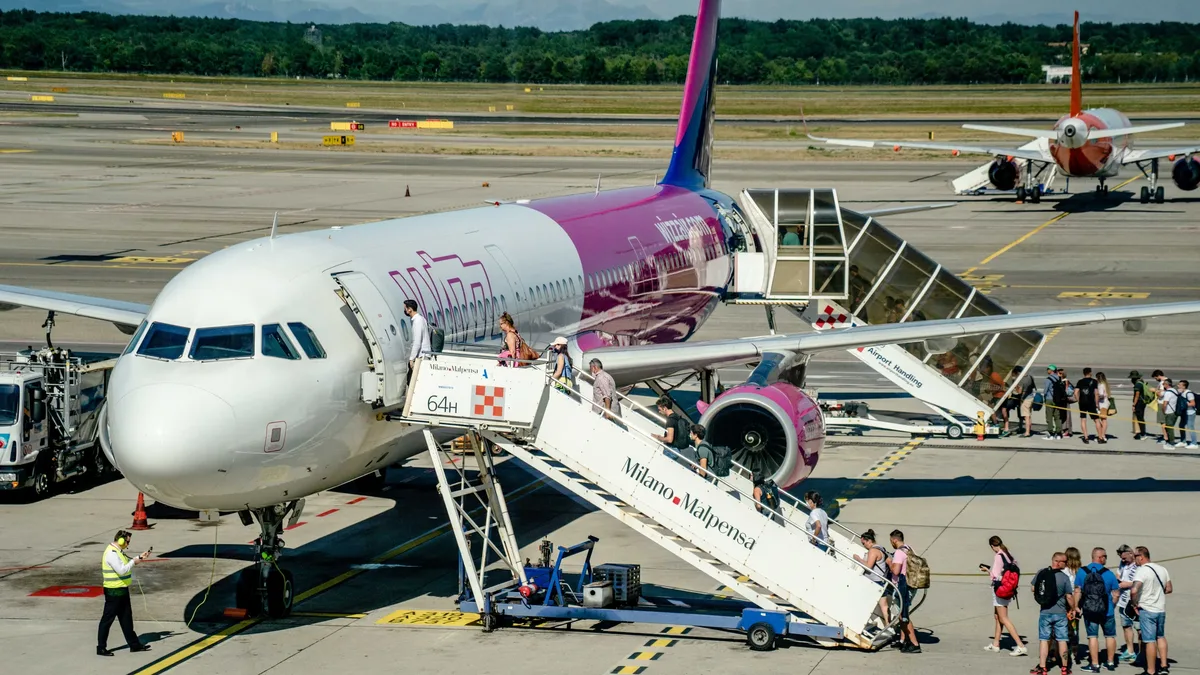
TSA PreCheck Gateside Program Allows Airside Access
The TSA has launched Gateside by TSA PreCheck, permitting eligible members to pass through security at 13 US airports without a boarding pass for
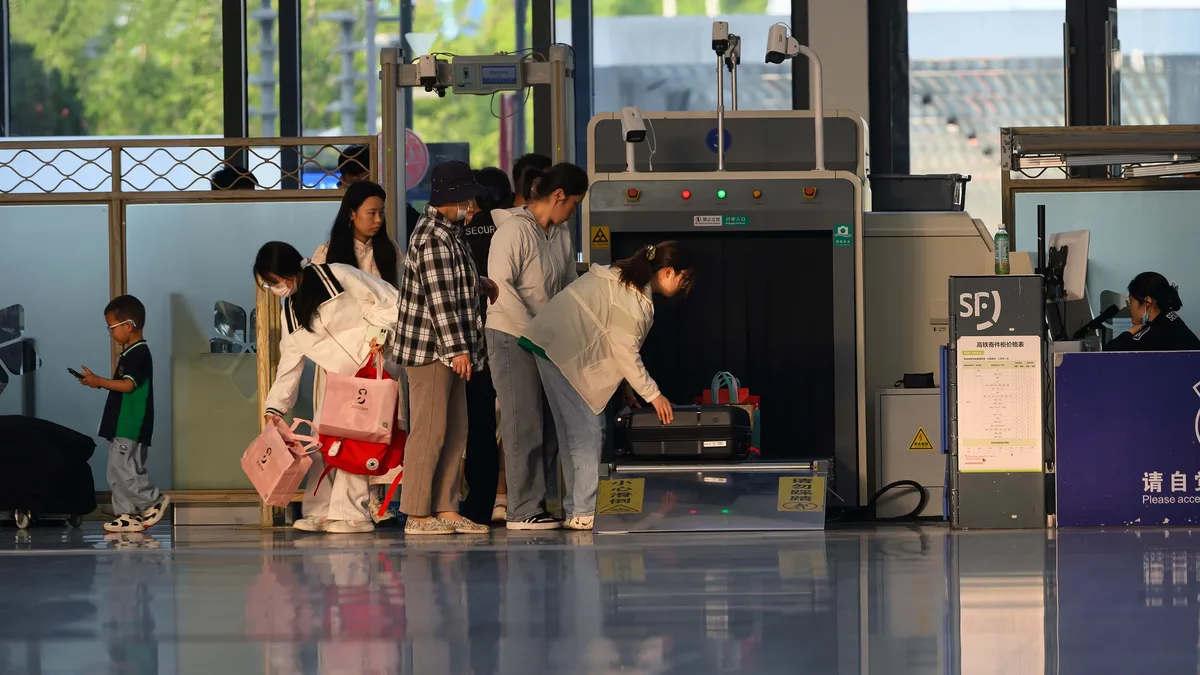
TSA's $800K CT Scanners May Slow PreCheck
The TSA is rolling out advanced CT 3D scanners for carry-on bags, but their slower processing and high cost mean they are not being prioritized for