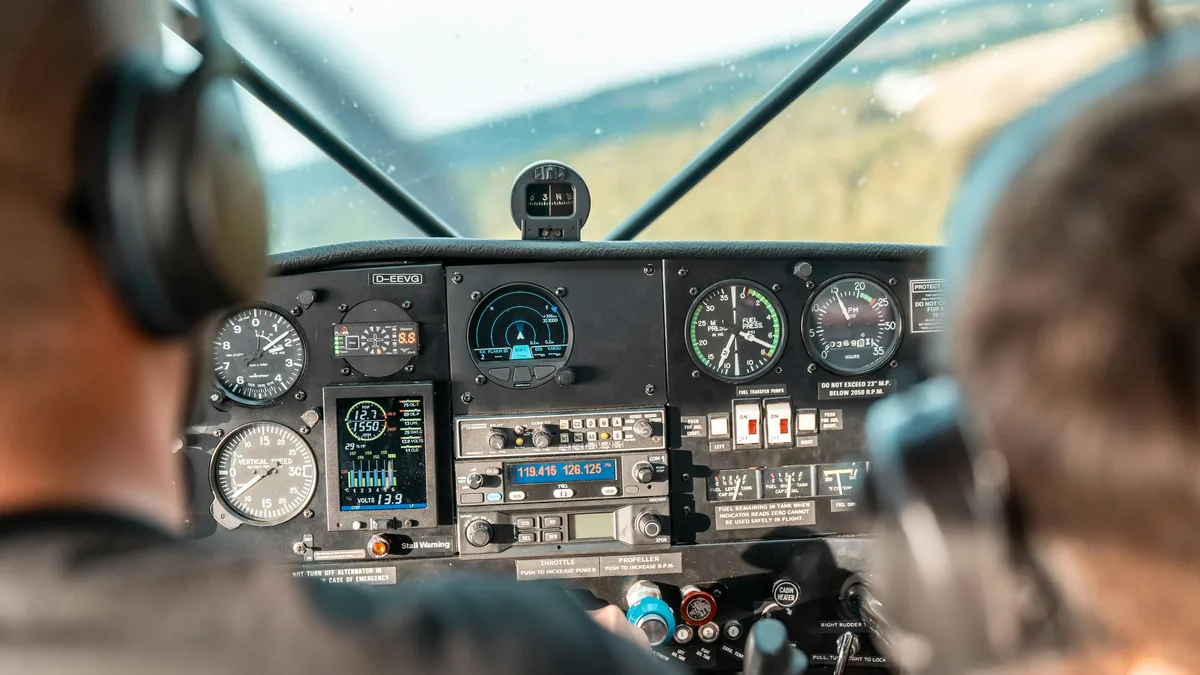
Pilot Unions
| Type | Labor union |
|---|---|
| Membership | Professional airline pilots |
| Primary function | Collective bargaining |
| Scope | National (varies by country) |
| Key issues | Pay, scheduling, safety, retirement |
| Affiliation | Often part of larger labor federations |
| Legal status | Recognized under national labor law |
Origin and history
Pilot unions emerged as formal organizations in the early decades of the twentieth century, primarily in the United States and Europe, alongside the professionalization of commercial aviation. Their formation was a direct response to the hazardous working conditions, inconsistent pay, and lack of standardized safety protocols in the fledgling airline industry. Early collective action focused on basic safety issues, such as limiting flight hours to combat fatigue and advocating for reliable navigation aids. The growth of these unions accelerated after World War II, as the expansion of commercial air travel created a larger, more organized workforce. Major pilot unions were established in the mid-twentieth century, becoming permanent fixtures in the aviation labor landscape. Their historical development is inextricably linked to the evolution of aviation safety regulations, as union advocacy often precipitated formal rulemaking by government authorities.
What it is for
Pilot unions exist to collectively represent the professional, economic, and safety interests of their members in negotiations with airline management. A primary function is to negotiate and enforce a legally binding contract, known as the Collective Bargaining Agreement, which governs pay, work rules, benefits, and grievance procedures. They provide a unified voice to advocate for improved safety standards, often lobbying regulatory bodies for enhanced training requirements, maintenance protocols, and operational limits. Unions offer legal representation and support for members involved in disciplinary proceedings, accident investigations, or regulatory enforcement actions. They administer benefit programs, which may include retirement plans, health insurance, and loss-of-license coverage. Furthermore, they engage in political advocacy on broader industry issues affecting their members, such as airspace modernization, taxation, and international aviation treaties.
Overview
A pilot union is a labor union specifically for professional pilots, typically structured as either an independent union or as a distinct division within a larger transportation union. Membership is usually based on the airline of employment, with separate unions often representing pilots at different carriers, though some larger unions have multiple airline chapters. The core of a union's power is derived from its authority to engage in collective bargaining and, if necessary, to undertake industrial action such as work-to-rule or strikes, following specific legal procedures. Internally, unions are democratic organizations, with elected officials and committee structures where members vote on contract ratifications and union policy. Their daily operations involve teams of experts, including negotiators, lawyers, and safety auditors, who work on behalf of the membership. The relationship between a pilot union and an airline management is cyclical, characterized by periods of contract negotiation, administration of the existing agreement, and ongoing dialogue over operational issues.
What to know
The Collective Bargaining Agreement is the central document, detailing everything from hourly wage rates and retirement contributions to precise rules on scheduling, rest periods, and hotel accommodations on trips. Seniority, a concept paramount in aviation, is meticulously tracked and governed by union contracts, determining everything from aircraft assignment and schedule bidding to base location and furlough protection. Unions operate under national labor laws, such as the Railway Labor Act in the United States, which governs negotiation processes and imposes cooling-off periods before any legal strike action can occur. "Scope clauses" within contracts are critical, as they restrict the amount of flying an airline can outsource to regional partners or through wet-lease agreements, directly protecting mainline pilot jobs. Pilots pay regular union dues, which fund the organization's operations, including staff salaries, legal defenses, and strike funds. Understanding the distinction between the union's role (contract negotiation and enforcement) and the regulator's role (safety compliance and certification) is essential, though their interests on safety matters frequently align.
Common questions
A common question is whether union membership is mandatory, which depends on the specific contract and national law; in many cases, while membership may be optional, all represented pilots are covered by the contract and may be required to pay dues or fees. People often ask how a strike is called, which is a complex legal process requiring a vote of the membership, a declaration of an impasse in negotiations, and often the exhaustion of mediation and a mandatory cooling-off period. Many inquire about the relationship between unions and safety, with unions frequently being the source of whistleblower reports and formal complaints to regulators about perceived safety compromises. A frequent question concerns the difference between a union's safety committee and the regulator, where the committee identifies hazards for management and contractual resolution, while the regulator has legal enforcement power. Individuals wonder about the cost, with dues typically being a percentage of salary or a flat monthly fee, used to fund the union's extensive support apparatus. Another regular query involves what happens during merger discussions between airlines, where union representatives play a crucial role in negotiating the integration of seniority lists, a process known as seniority integration.
Pros and cons
A significant pro is the establishment of standardized, transparent contracts that eliminate individual negotiation and provide strong protections against arbitrary dismissal or disciplinary action. Unions have a proven historical role as a powerful, independent advocate for systemic safety improvements, often identifying risks before regulators mandate changes. The collective bargaining process generally secures higher compensation, better retirement benefits, and more favorable work rules than pilots would likely achieve individually. A primary con is that the adversarial nature of labor negotiations can lead to protracted disputes, causing operational instability for the airline and frustration for the traveling public. The rigid seniority system, while fair in its consistency, can be a source of frustration for individual pilots, limiting career mobility and delaying upgrades regardless of individual merit or ambition. A common mistake for management is to underestimate the unity and resolve of a pilot group during negotiations, which can lead to costly strikes; a common regret for new pilots can be a lack of understanding of how the seniority system will dictate their career trajectory for decades.
Who it suits
This system suits professionals who value collective action and contractual certainty over individual negotiation and who accept that their career progression will be largely determined by a seniority number. It is suited to individuals who prefer a structured, rule-based work environment where pay scales, promotion pathways, and work rules are explicitly defined and uniformly applied. Pilots who are willing to pay dues and participate in union governance, such as serving on committees or voting in elections, will find the system more transparent and responsive. It is less suited to those who prioritize rapid, merit-based advancement outside of a strict seniority list or who are uncomfortable with the periodic tension inherent in collective bargaining. The system inherently suits a workforce within a large, complex organization where individual employees have limited power to influence company-wide policies on safety, compensation, and working conditions. It is a foundational structure for the modern professional airline pilot, defining not just their pay but the fundamental rhythms and security of their career.
Latest Pilot Unions news
Latest reporting
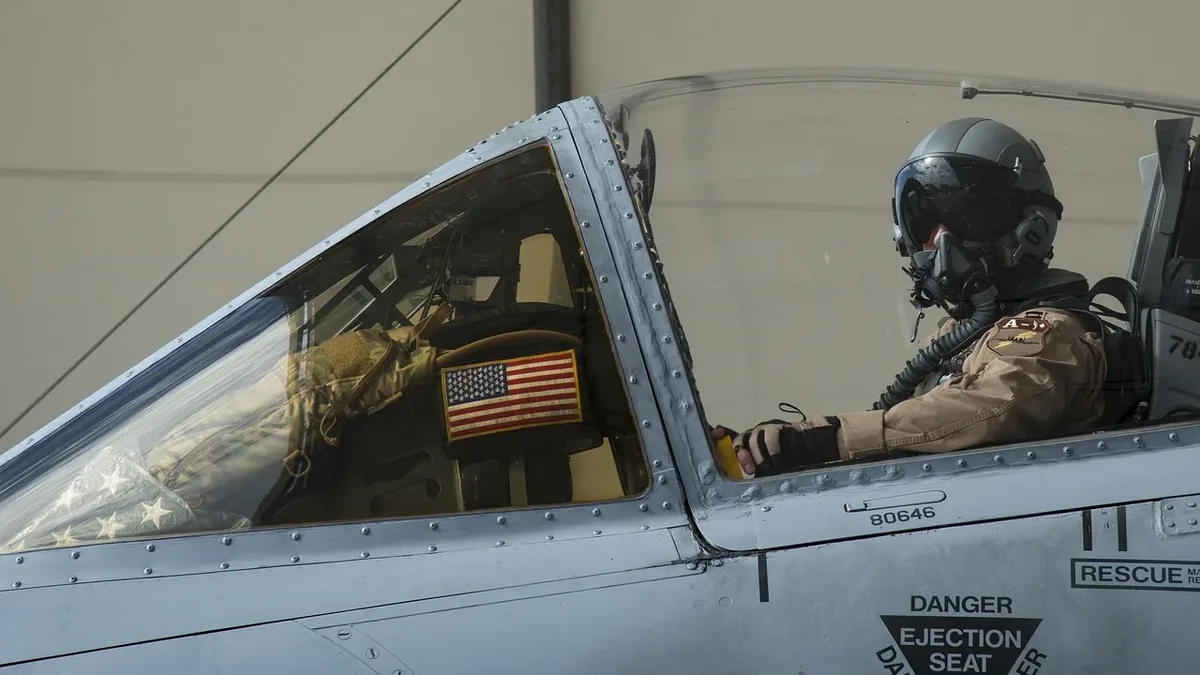
US Military Pilot Salaries Face Retention Pressure in 2026
Salaries for US military pilots in 2026 reflect intense competition from commercial airlines, with total compensation packages reaching six figures...
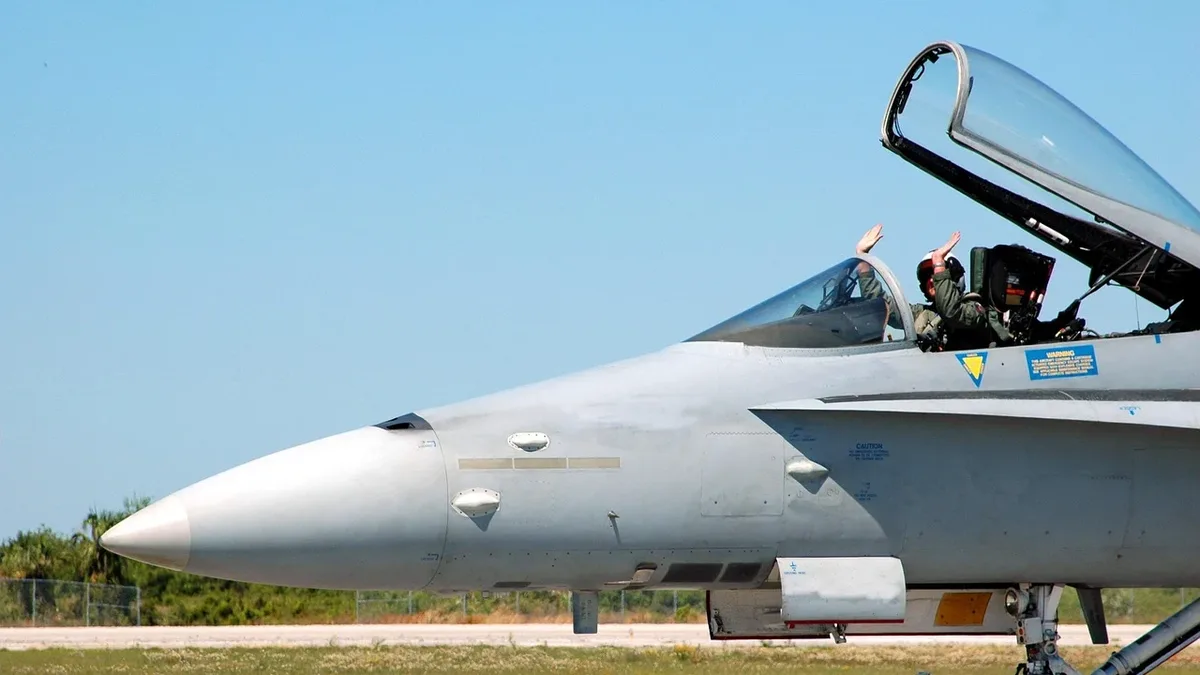
F-22 Pilot Awarded Top Safety Honor for Belly Landing
A US Air Force F-22 pilot received the service's highest flight safety award for successfully belly-landing a $156 million stealth fighter after a...
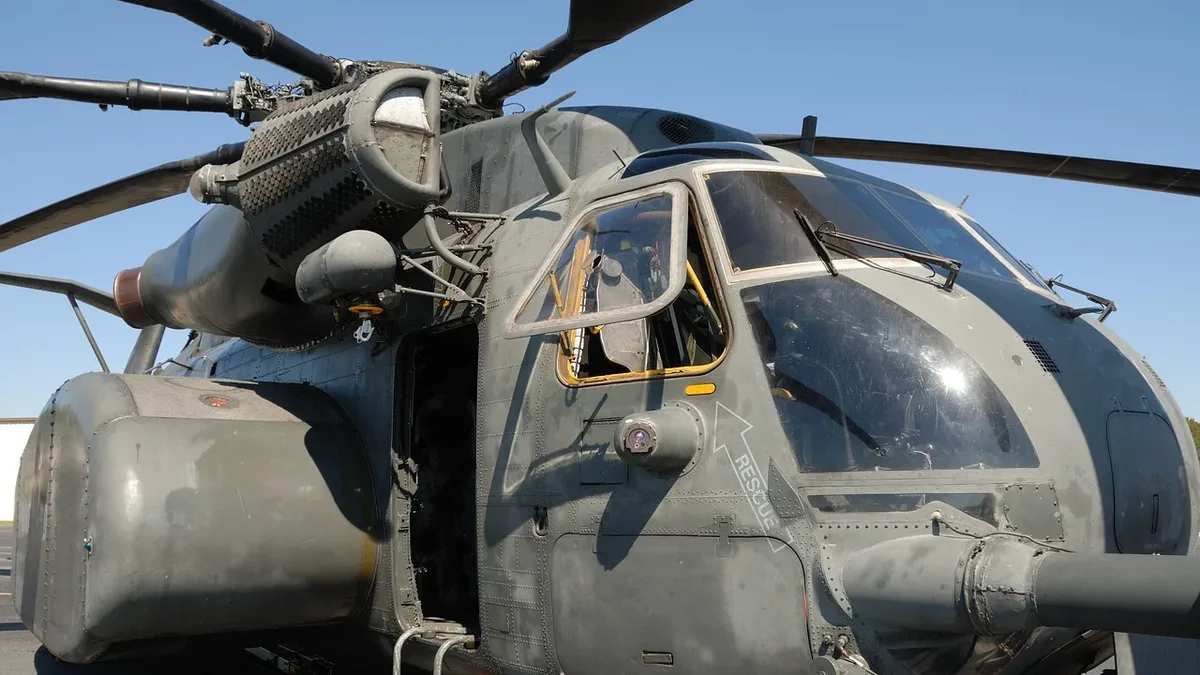
Horizon Aircraft CEO Targets Helicopter Market with Hybrid
Horizon Aircraft's CEO, a former fighter pilot, positions the hybrid-electric Cavorite X7 as a faster, cheaper, and safer alternative to traditional
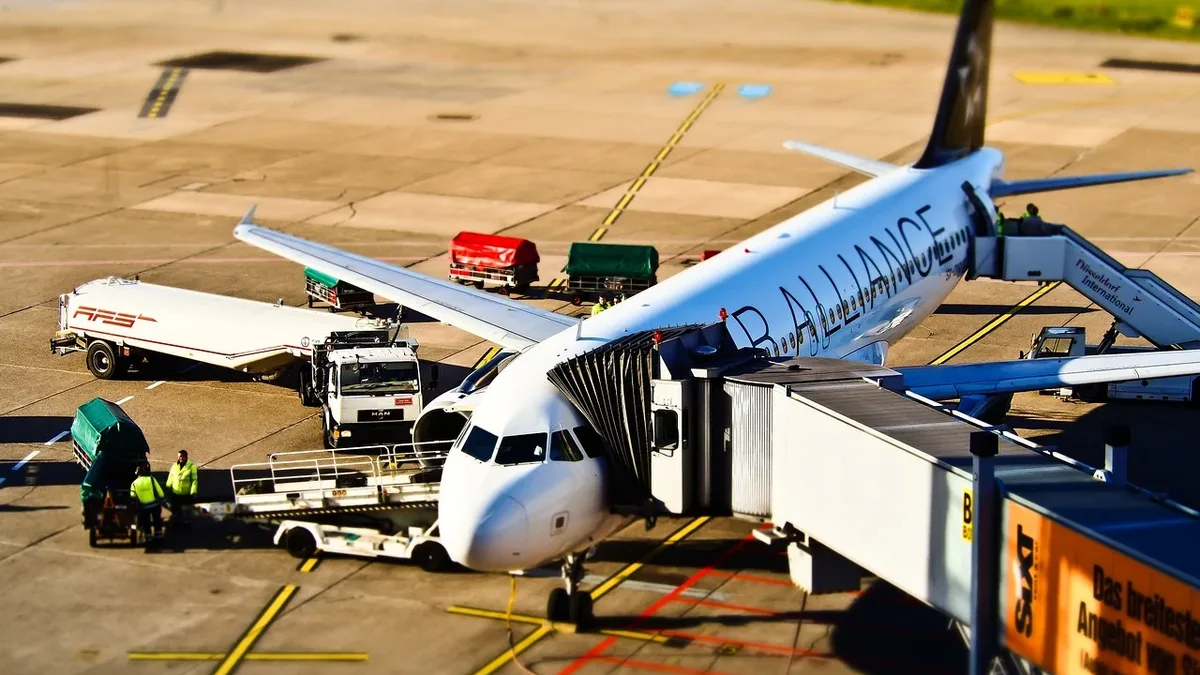
Aviation Coalition Urges FAA to Preempt State Crew Rest
A coalition of major aviation groups is calling on the FAA to assert federal authority over pilot duty and rest rules, arguing a national standard is
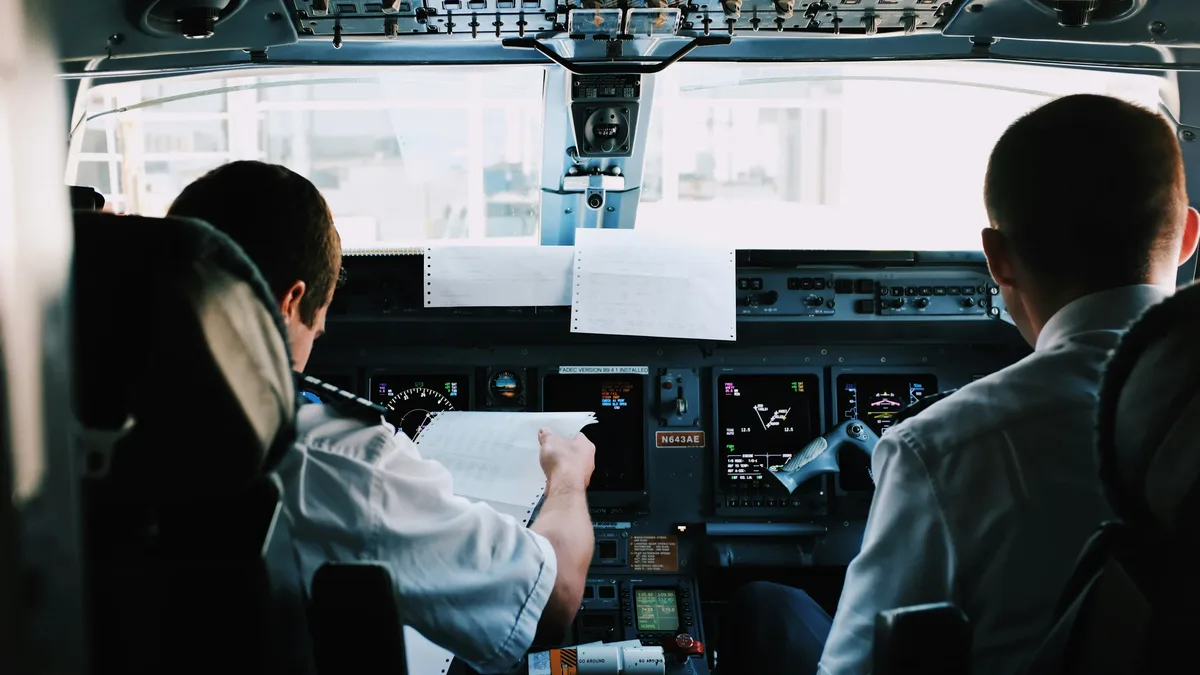
Delta, ALPA Negotiate Crew Scheduling as
Delta Air Lines and the Air Line Pilots Association are negotiating crew scheduling practices as their pilot agreement nears expiration.
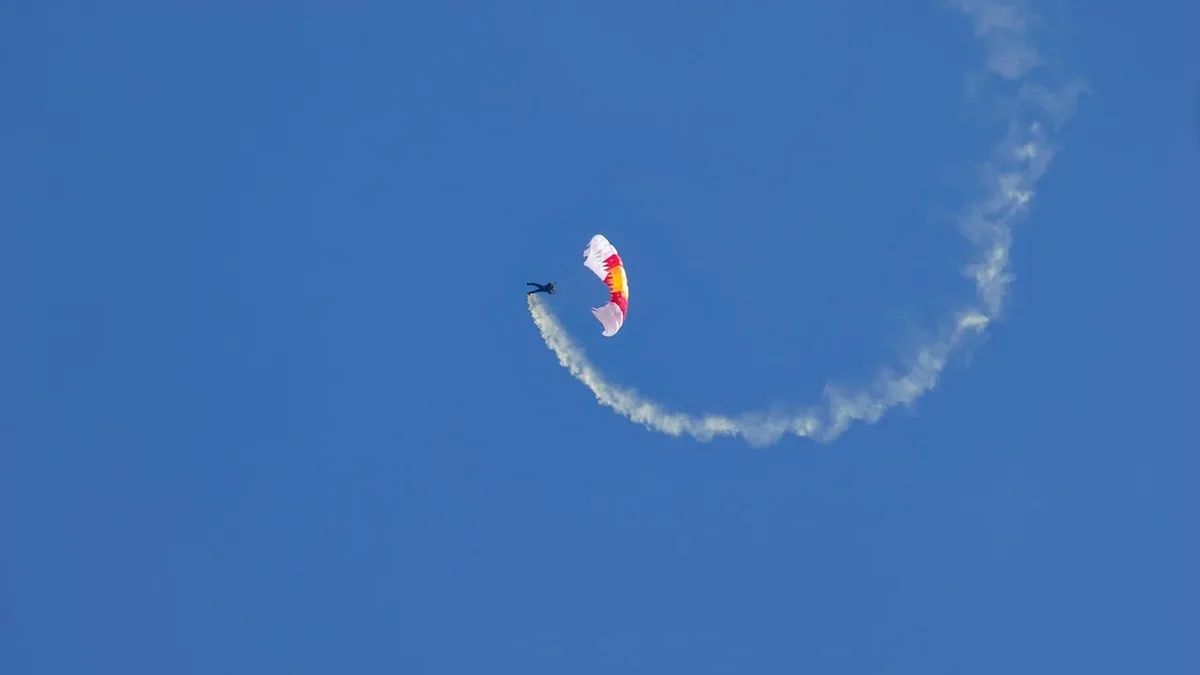
Pilot survives Cirrus SR22 fire with CAPS deployment
A pilot escaped minor injuries after a Cirrus SR22 caught fire and descended with its whole-aircraft parachute in Brazil.